Baby Do Die Do Review Verdict: Baby Do Die Do is Bollywood’s most creatively audacious film of 2026, a revenge thriller that plays like a fever dream assembled by someone who actually loves cinema and actually wants the audience to feel something. Huma Qureshi speaks almost nothing across the entire runtime and delivers one of the year’s most electrifying performances. The editing alone is worth the ticket price. This film deserved five times the screens it got.
I watched Baby Do Die Do in theatres before writing this review, and everything here is based on my own viewing experience. I’ve also considered the overall audience response without letting it influence my opinion. This review contains mild spoilers.
Quick Verdict
Baby Do Die Do is exactly the kind of film Indian cinema periodically produces and then immediately forgets at the box office while the audience discovers it eighteen months later on OTT and calls it “underrated.” That word, underrated, is both accurate and a tragedy, because this film deserved discovery in the dark of a cinema, with good sound, not on someone’s phone while they eat dinner.
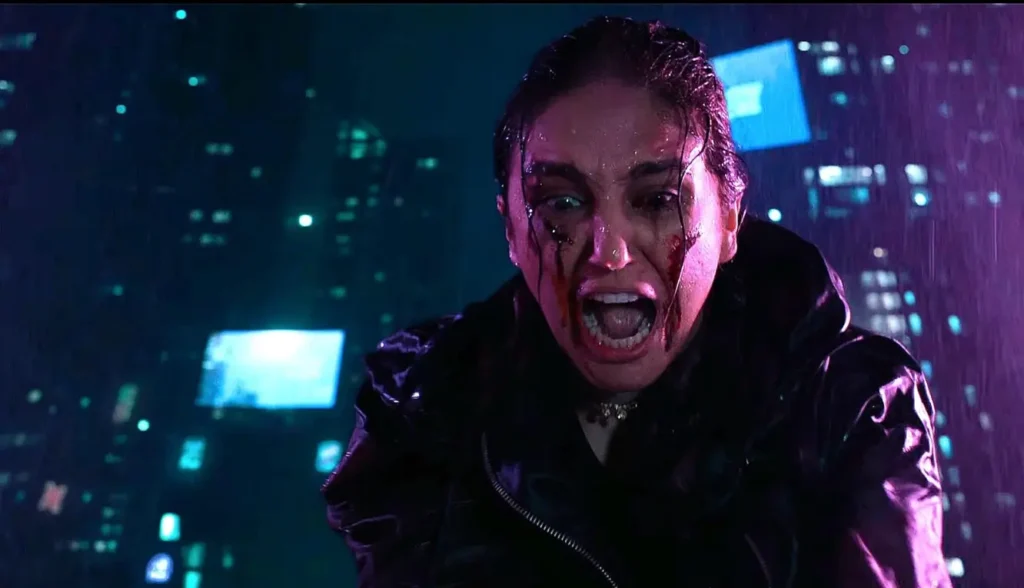
The film is a compact, stylistically relentless revenge thriller in which Huma Qureshi plays a professional killer who cannot speak, communicating entirely through expressions, writing, and gesture, and who is hunting the person responsible for her sister’s death. Everything around that premise is directed and edited with a creative intelligence that makes every single scene feel like someone made a deliberate choice about it. There are no throwaway shots in this film. That is rarer than it sounds.
It is not a perfect film. The emotional bond between the two sisters, which the film repeatedly tries to land as its heaviest weight, never fully develops the depth it needs. But as an exercise in stylish, intelligent, genuinely original Bollywood thriller filmmaking, Baby Do Die Do is the genuine article. See it while you still can.
Baby Do Die Do — Movie Info
| Detail | Info |
|---|---|
| Title | Baby Do Die Do |
| Release Year | 2026 |
| Genre | Action, Thriller, Revenge |
| Lead Cast | Huma Qureshi, Sikandar Kher, Chunky Pandey, Seema Pahwa |
| Our Rating | ★★★½☆ (3.5/5) |
What Is Baby Do Die Do About?
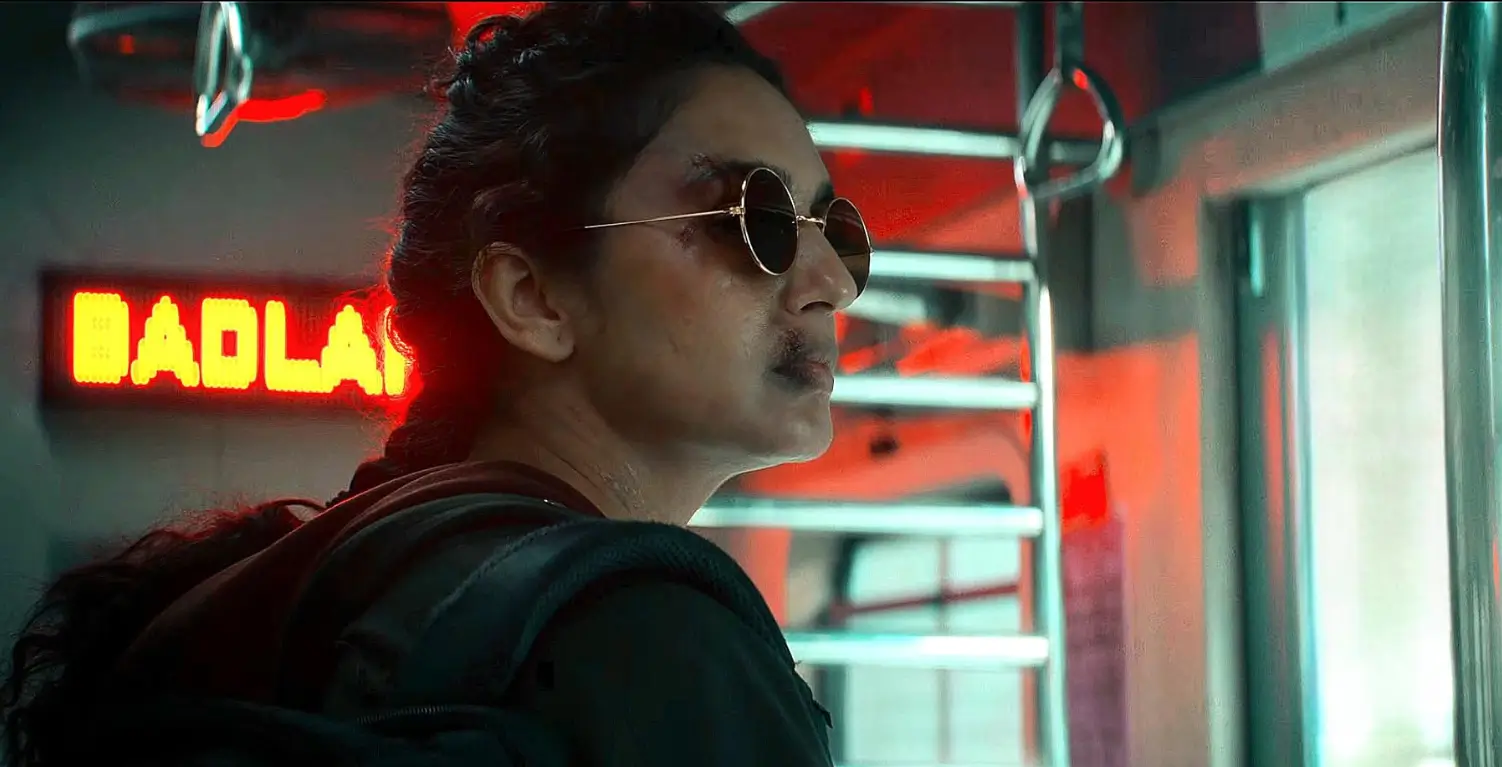
Baby Do Die Do is a revenge thriller with a premise that is simple on the surface and considerably more intricate in execution: a professional killer who cannot speak, communicating through writing and gesture, silent through the entire film, is hunting the person responsible for murdering her sister when they were children. To find this person, she has embedded herself in the criminal underworld, taking contracts as a hired killer and using that access to get closer to her target.
The title, Baby Do Die Do, translates roughly to “Baby Does, Dies, and Does Again,” which captures the cyclical, relentless quality of the protagonist’s life and mission. She operates in the spaces between people who underestimate her because she does not speak. She is consistently the most dangerous person in any room, and the film is very clear about that from its opening minutes.
Along the way, a man named Sidhu falls in love with her. Whether that love is genuine, transactional, or a form of pity is something the film makes you interrogate rather than simply answer. The mystery of that relationship’s nature is one of the film’s most effective ongoing tensions.
Baby Do Die Do Cast
| Actor | Role |
|---|---|
| Huma Qureshi | The protagonist — a mute professional killer on a revenge mission |
| Sikandar Kher | Villain — delivers one of the film’s strongest supporting performances |
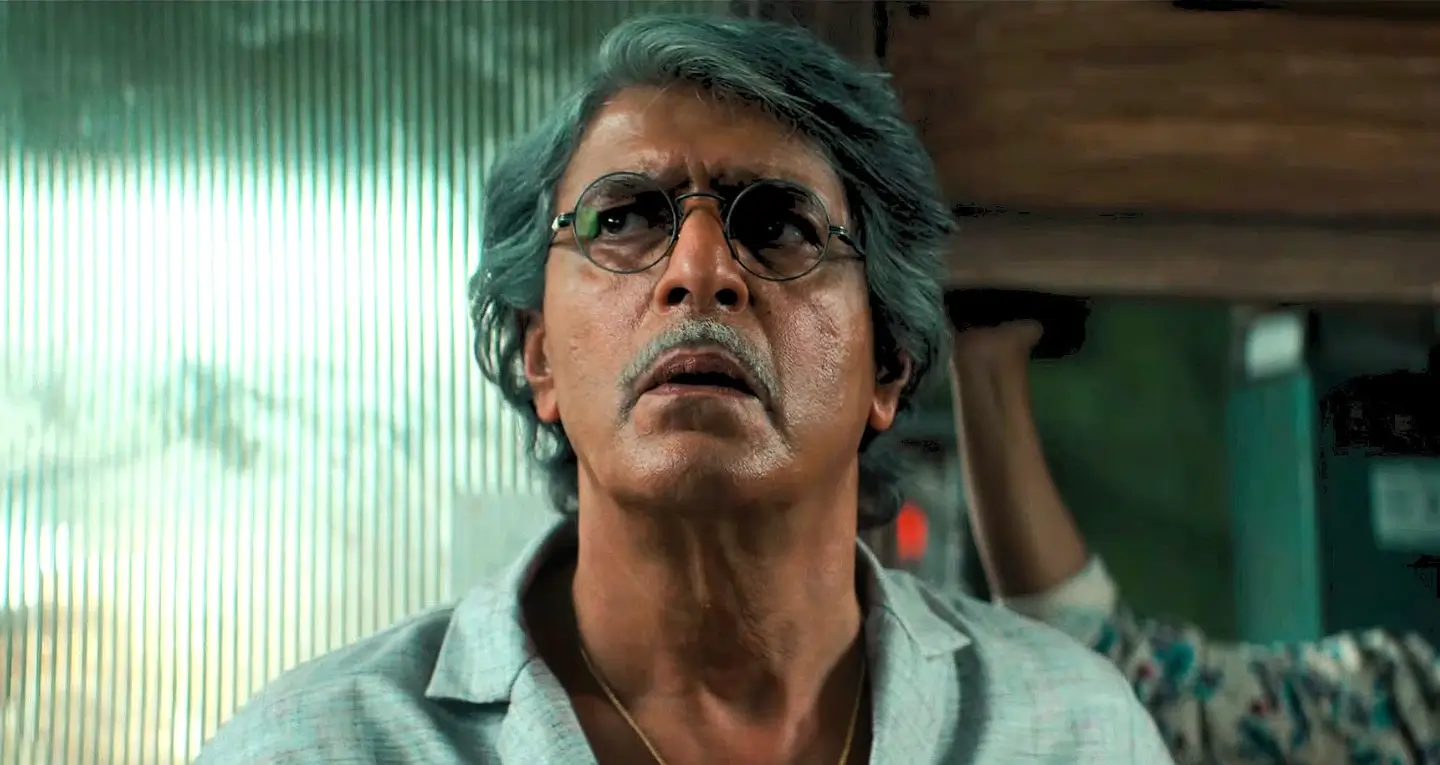
| Chunky Pandey | Supporting — a significant surprise; used far better here than elsewhere |
| Seema Pahwa | Supporting |
| Huma Qureshi’s brother | Supporting — appears in a scene that has audiences looking away |
Baby Do Die Do Review: Why This Film Works
The Opening Ten Minutes
Within the first ten minutes, I knew I wasn’t watching a typical Bollywood thriller. The opening instantly grabbed my attention with its confident visual style, pacing, and direction. By the time the title card appeared, I was completely invested. At that moment, I genuinely felt this wasn’t going to be a normal Bollywood film.
The title card reveal honestly surprised me. It’s one of the most creative title introductions I’ve seen in a Hindi film recently, and it immediately told me the director wasn’t interested in playing it safe.
Huma Qureshi’s Silent Performance
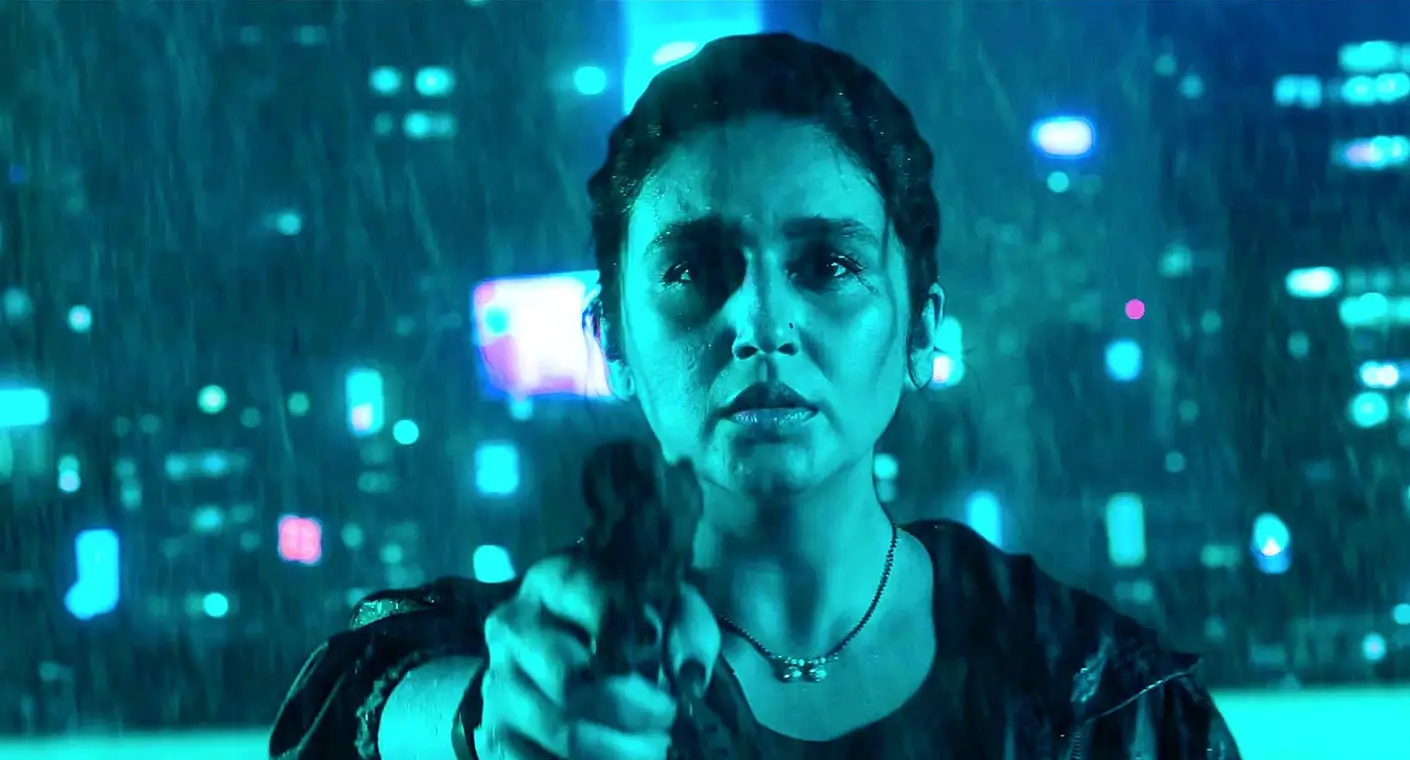
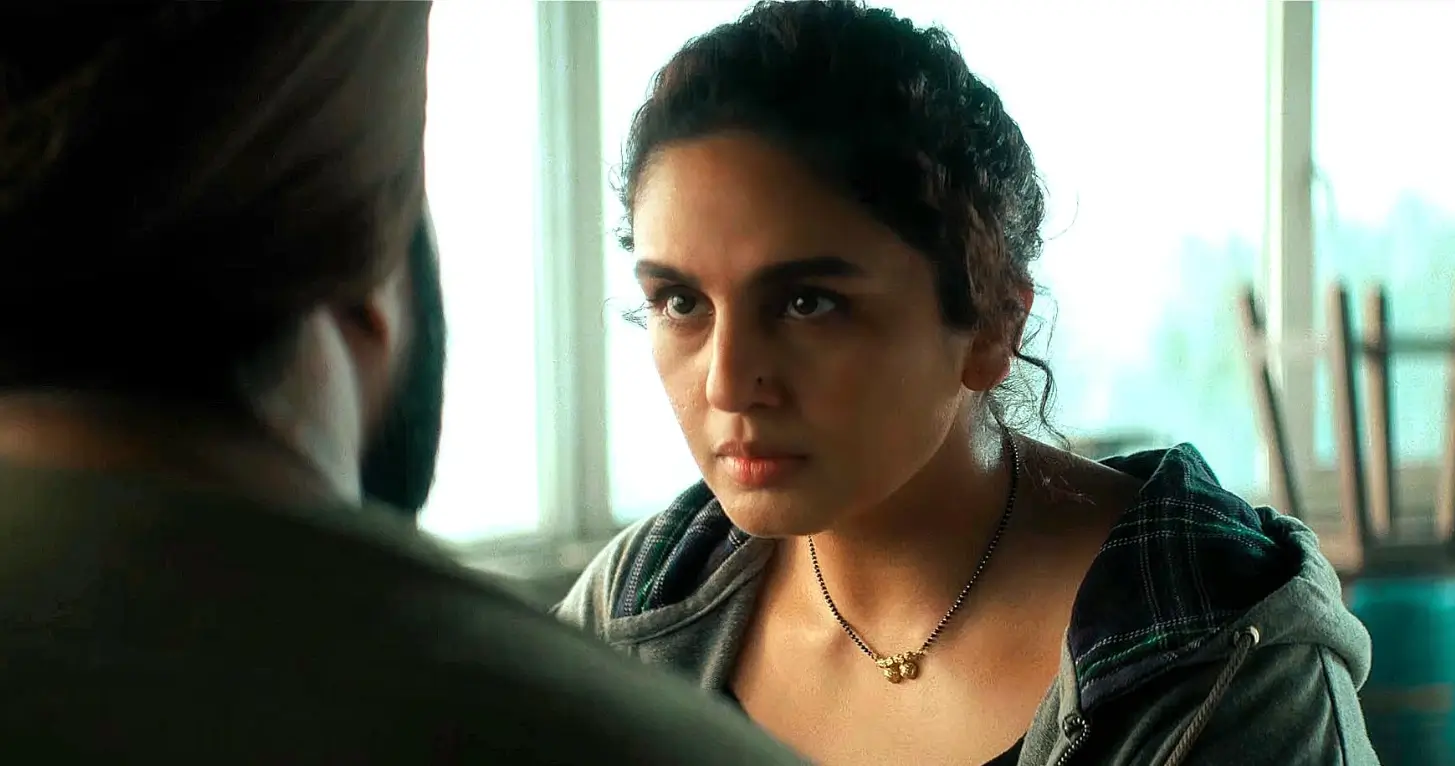
This is the film’s most remarkable achievement and its strongest case for theatrical viewing over OTT. Huma Qureshi does not speak across essentially the entire runtime. Her character is mute; she communicates through writing, gesture, and expression. In a lesser film, this gimmick would read as a gimmick. Here, it becomes the film’s emotional and stylistic engine.
What Qureshi does with her face, her posture, and the physical grammar of her character’s movement is exceptional. She creates an aura around herself through purely physical acting that silences whatever scene she is in. She can shut someone up without saying a single word; that kind of presence. “She has not said a word, and she will shake you.”
For an actress who has been consistently underused in mainstream Bollywood for years, granted prominent roles in certain films but rarely given material worthy of her range, Baby Do Die Do is a long-overdue opportunity correctly seized.
The comparison drawn to Lokha: Chapter One (Malayalam) for the color palette and Qureshi’s silent aesthetic register is instructive: this film belongs in the conversation with the best contemporary South Indian stylized thrillers in terms of visual and tonal ambition.
The Editing
The editing is a significant creative achievement, possibly the film’s most consistent technical distinction. all of Indian cinema, he has not found editing this bold and inventive in a film of this type. The comparison offered is Vijay Sethupathi’s Gandhi Talks, not in genre or plot but in the sensation of watching a film that has found an entirely different visual and rhythmic language from anything around it.
Specific editing choices mentioned: a sequence in which two scenes run simultaneously to control the film’s length and advance the story efficiently, genuinely unique. The editing is making even the most ordinary scenes feel shaped and particular rather than functional. Music, color, and editing are combining to create “a magician’s scene”, sequences where the film generates atmosphere through purely formal choices rather than through plot or dialogue.
The Tone and Creative Intelligence
The film never forgets it is making entertainment, which is itself a distinguishing quality. Some arthouse films become so consumed with the desire to be perceived as art that they forget they are supposed to generate experience for the person watching. Baby Do Die Do has creative intelligence visible in every frame while never making that intelligence feel like a barrier. It is stylish in the way that serves immersion, not the way that distances you from it.
The film is compared to a specific Bollywood tradition: Bhoomisara, Joshi Super Hero, Mard Ko Dard Nahi Hota, Monica Oh My Darling — films that are defined by a specific stylistic commitment and a creative freedom that most mainstream Bollywood does not attempt. Baby Do Die do belongs to this tradition and is the most accomplished entry in it in recent memory.
Sikandar Kher as the Villain
Sikandar Kher is a standout, delivering exactly the kind of villainy the film needs to give its protagonist’s mission genuine weight. His final sequences are specifically flagged as outstanding. For an actor who has worked consistently in supporting roles across Bollywood and web series without ever breaking into the first tier of recognition, Baby Do Die Do appears to be a defining performance. B
Chunky Pandey — The Film’s Biggest Surprise Performance
Chunky Pandey is genuinely excellent in this film. Pandey has existed in the Bollywood ecosystem for decades, primarily as comic relief or in supporting roles where his potential has been systematically underutilized. Baby Do Die Do’s director found something in him that mainstream Bollywood has consistently missed. The film’s final act features a twist involving Pandey’s character’s outstanding. He is one of the film’s genuine discoveries.
Baby Do Die Do Review: Where It Falls Short
The Sister Bond Never Fully Lands
The film’s emotional core is supposed to be the love between the protagonist and her dead sister, the relationship that motivates the entire revenge mission. For all the stylistic intelligence and formal invention the film brings to everything else, the emotional weight of the sisterhood never fully develops. It feels like a try throughout the film, something the filmmakers are working toward but never quite arrive at with the impact the revenge thriller structure demands. The second half is significantly more powerful than the first in emotional terms, but the foundation of grief and love that should make the protagonist’s mission feel inevitable and earned is established rather than built.
The Slow First Half
The first half of the film is slower than what follows. The slowness is developmental rather than empty; the film is building its world, its characters, and its specific tonal register. If the first half was not slow, how would the second half be so powerful? That is a fair argument, but it is worth knowing going in that the film requires patience in its opening sections before it activates fully.
Huma Qureshi Is Bollywood’s Most Underused Star — Until Now
This film makes a case that needed to be made. Huma Qureshi has demonstrated considerable range across her career, in Gangs of Wasseypur, in various web productions, in supporting roles across mainstream films, and has rarely been given a vehicle that places her capabilities at the center of a film designed to showcase them.
Baby Do Die Do is that vehicle. And what it reveals is that Qureshi’s physical acting, her ability to communicate emotional states through purely non-verbal means, and her capacity to generate dangerous authority in silence are genuinely exceptional qualities that Bollywood has spent a decade not fully understanding how to use.
Whatever happened with the budget, the distribution, the limited screens, the unfortunate timing against Alpha, this film represents a performance that demands to be seen.
Alpha vs. Baby Do Die Do: Which Should You Watch?
This question is unavoidable given that both films were released simultaneously. The honest answer:
| Category | Alpha | Baby Do Die Do |
|---|---|---|
| Action Quality | Below average for the budget | Effective and purposeful |
| Lead Performance | Good | Exceptional |
| Creative Originality | Low — checklist film | High — genuinely original |
| Emotional Resonance | Moderate | Moderate (with reservations) |
| Rating | ★★☆☆☆ (2/5) | ★★★½☆ (3.5/5) |
| For: | YRF franchise completists | Fans of stylised, creative cinema |
Alpha is the film most people will see. Baby Do Die Do is the film most people will be glad they saw.
The Screening Problem: Why Baby Do Die Do Is Struggling at the Box Office
Baby Do Die Do released simultaneously with Alpha, a massively marketed YRF Spy Universe film with Alia Bhatt, Hrithik Roshan’s cameo, and an enormous promotional budget. Baby Do Die Do had comparatively minimal distribution, very few screens, and essentially no comparable marketing presence.
This is the structural problem for small, original films in India’s theatrical landscape. Audience members who call films “underrated” on social media often contribute to the situation by waiting for OTT rather than going to the cinema. The film that gets 250 screens against a film that gets 2,500 screens is not going to win the box office, regardless of quality.
Go before you lose the chance to see it on the big screen, the cinematic experience this film provides is part of what it is.”
What Baby Do Die Do Gets Right
Huma Qureshi’s performance. The most complete, physically demanding, and creatively realized performance of her career. Silent through nearly the entire film and consistently magnetic.
The editing. Among the boldest and most inventive editing in recent Indian cinema, it makes every scene feel deliberate and alive.
Sikandar Kher. A defining villain performance from an actor who has been waiting for a role that matches his capabilities.
Chunky Pandey. The film’s biggest and most pleasant surprise. A career recalibration in a single performance.
Creative intelligence in every frame. No throwaway shots. No default choices. Every sequence is shaped by someone who thought about it.
The tone. Stylish without being self-congratulatory. Cinematic without forgetting its audience.
The BGM. contributing significantly to the film’s atmospheric register at its best.
What Could Be Better
The sister bond. The emotional foundation of the revenge mission needs to hit harder than it does. The film reaches for this and only partially arrives.
The slow first half. Justified in retrospect but requires patience in the moment, which will test some viewers.
The music is inconsistent. At its best, the BGM is excellent. There are also moments where I felt a more distinctive or unconventional music choice would have elevated the film further. The film occasionally undersells sequences that deserved a stronger sonic identity.
Pros & Cons
✓ Pros
- Huma Qureshi gives one of 2026’s best Bollywood performances, entirely non-verbal
- Editing is exceptional, among the most inventive in recent Indian cinema
- Sikandar Kher delivers a standout villain performance
- Chunky Pandey is the film’s biggest discovery, genuinely surprising and moving
- Stylistically original in ways that most Bollywood films do not attempt
- Compact runtime with no unnecessary songs or padding
- The second half is propulsive and emotionally charged
- Belongs in conversation with Mard Ko Dard Nahi Hota and Monica Oh My Darling for creative Bollywood cinema
- Strong BGM that serves rather than interrupts the film
✗ Cons
- The emotional weight of the sisterhood never lands as hard as the film needs
- First half is notably slower than the second; patience is required
- Severely limited theatrical distribution against a major competing release
- BGM is inconsistent in a few sequences
- No major star names may deter casual audience discovery
Where to Watch Baby Do Die Do
Baby Do Die Do is currently in limited theatrical release. Due to distribution constraints, the film is on fewer screens than it deserves. Check local listings carefully, as it may be playing near you with limited show times. I strongly recommend theatrical viewing for the cinematic experience the film’s visual and audio design creates.
OTT streaming is expected approximately two months after theatrical release, based on standard Indian theatrical windows. A specific platform has not been confirmed. Check major streaming platforms, including Netflix, Amazon Prime Video, ZEE5, and JioCinema, for availability once the theatrical window closes.
Is Baby Do Die Do a Remake?
Baby Do Die Do is an original film, not a remake of an existing title. The question in the FAQs likely arises from confusion with other Hindi films called “Baby” (such as the 2015 Akshay Kumar spy thriller) or from the title’s unusual structure. This film has no remake basis. It is an original screenplay and original concept.
Final Verdict
| Category | Score |
|---|---|
| Story / Screenplay | ★★★☆☆ |
| Direction | ★★★★☆ |
| Huma Qureshi Performance | ★★★★★ |
| Supporting Cast | ★★★★☆ |
| Editing | ★★★★★ |
| BGM / Music | ★★★☆☆ |
| Emotional Resonance | ★★★☆☆ |
| Cinematic Experience | ★★★★☆ |
| Overall | ★★★½☆ (3.5/5) |
Baby Do Die Do is a film that proves something that should not need proving but apparently always does: that Bollywood is capable of genuine creative originality when someone is given the freedom and the intent to exercise it. Huma Qureshi speaking no words across an entire film and holding every scene she inhabits is a performance achievement. Chunky Pandey delivering what may be the most memorable work of his career is a discovery. Editing that makes you feel like every frame was placed rather than assembled is a craft achievement. This film has all three.
It will almost certainly not get the theatrical run it deserves. It will almost certainly become “underrated”, the word audiences give to films they discovered too late, after the films they went to see instead had already left the cinema. Do not let this be one of those. If there is a show near you, go.
If you enjoy honest movie reviews based on real theatre experiences, be sure to explore more reviews on NexaFeed. I’ve covered everything from the latest Bollywood and Hollywood releases to OTT originals, sharing what worked, what didn’t, and whether each title is actually worth your time. You can also check out my reviews of Alpha, Citizen Vigilante, Enola Holmes 3, the latest streaming releases, and upcoming movies to decide what to watch next.
Frequently Asked Questions
Q. Is Baby Do Die Do worth watching?
Ans. Yes, strongly, particularly for fans of stylized, creative Indian cinema. Huma Qureshi gives one of 2026’s best performances, the editing is exceptional, Chunky Pandey is genuinely surprising, and the film maintains cinematic intelligence in every frame. The sister-bond emotional core is slightly underdeveloped, and the first half is slow, but the film as a whole is a genuine achievement. Our rating: 3.5 out of 5.
Q. What is Baby Do Die Do about?
Ans. Baby Do Die Do is a revenge thriller in which Huma Qureshi plays a mute professional killer hunting the person who murdered her sister in childhood. Unable to speak, she communicates through writing and gesture throughout the entire film. The film follows her as she navigates the criminal underworld, takes contracts as a hired killer to fund her search, and encounters a man named Sidhu who falls in love with her under circumstances the film deliberately makes ambiguous.
Q. Where can I watch Baby Do Die Do?
Ans. Baby Do Die Do is currently in limited theatrical release. OTT streaming is expected approximately two months after the theatrical release. Check Netflix, Amazon Prime Video, ZEE5, and JioCinema for availability updates. I strongly recommend theatrical viewing if it is accessible, the film’s visual and audio design is built for cinema.
Q. Is Baby Do Die Do a remake?
Ans. No. Baby Do Die Do is an original film. It is not a remake of any previously released title in any language.
Q. Who is in the Baby Do Die Do cast?
Ans. The cast includes Huma Qureshi in the lead role, Sikandar Kher as the villain, Chunky Pandey in a significant supporting role that is one of the film’s biggest performance surprises, and Seema Pahwa in a supporting capacity. The director also cast Huma Qureshi’s real-life brother in a supporting role.
Q. Is Baby Do Die Do a hit or a flop?
Ans. Baby Do Die Do released simultaneously with Alpha (2026), a major YRF Spy Universe film with Alia Bhatt. With severely limited screens against a massively distributed competitor, Baby Do Die Do’s box office performance has been commercially limited, not because of its quality but because of structural distribution challenges. Critically and among viewers who saw it, the reception has been strongly positive. Whether it becomes a long-term hit through OTT discovery is the more relevant question.
Q. How is Huma Qureshi in Baby Do Die Do?
Ans. Huma Qureshi is exceptional. She does not speak throughout essentially the entire film; her character is mute and delivers everything through physical acting, facial expression, and bodily presence. It is widely considered the finest performance of her career and one of 2026’s best individual performances in Indian cinema.
Q. Is Baby Do Die Do better than Alpha?
Ans. In terms of creative originality, performance quality, editing craft, and overall cinematic ambition: yes, significantly. Baby Do Die Do is the more interesting and better-made film. Alpha has a larger budget, bigger stars, and vastly wider distribution. The two films represent different ambitions: Alpha is a franchise entry designed for mass delivery, Baby Do Die Do is an original work designed to create a cinematic experience. Our ratings: Baby Do Die Do 3.5/5, Alpha 2/5.
Baby Do Die Do is in limited theatrical release now. OTT streaming to follow, platform and date to be confirmed. Go to the cinema if you can.