Rao Bahadur Review Verdict: Rao Bahadur is one of the most genuinely original Telugu films I have encountered in recent years, a psychological thriller about a king confined to a room in his own mansion, haunted by a boy in his dreams, built around a concept so unusual that the experience of watching it is unlike almost anything else Indian cinema has produced. Satyadev’s performance is career-defining. The climax is extraordinary. The path to getting there will either engage you completely or exhaust you, depending on who you are as a viewer.
I watched Rao Bahadur in its Telugu theatrical release. A Hindi OTT version is expected within approximately one month. This review is written in English and is deliberately light on plot specifics, the less you know going in, the better.
Quick Verdict
I went into Rao Bahadur already disposed to trust it. Venkatesh Maha’s previous work, C/o Kancharapalem in particular, is the kind of Telugu cinema that made me sit up and think: yes, this is why I watch films. That film earned genuine devotion from me. Uma Maheswara Ugra Roopasya further confirmed that this director has a specific creative intelligence that is worth following unconditionally. So I walked in with high expectations and an open mind.
What I found was a film that is simultaneously one of the most inventive and most frustrating Telugu films I have seen this year. The concept is extraordinary. The climax is extraordinary. Satyadev’s performance is extraordinary. The journey between setup and payoff is where the film tests your patience in ways that not everyone will find rewarding. Whether that test feels worth taking depends entirely on what kind of viewer you are. I am still working out which kind I am.
Rao Bahadur — Movie Info
| Detail | Info |
|---|---|
| Title | Rao Bahadur |
| Director | Venkatesh Maha |
| Language | Telugu |
| Genre | Psychological Thriller, Horror, Mystery |
| Lead Actor | Satyadev Kancharana |
| OTT Release The | Hindi version expected approximately one month after the theatrical release |
| My Rating | ★★★½☆ (3.5/5) |
Rao Bahadur Story & Plot Summary?
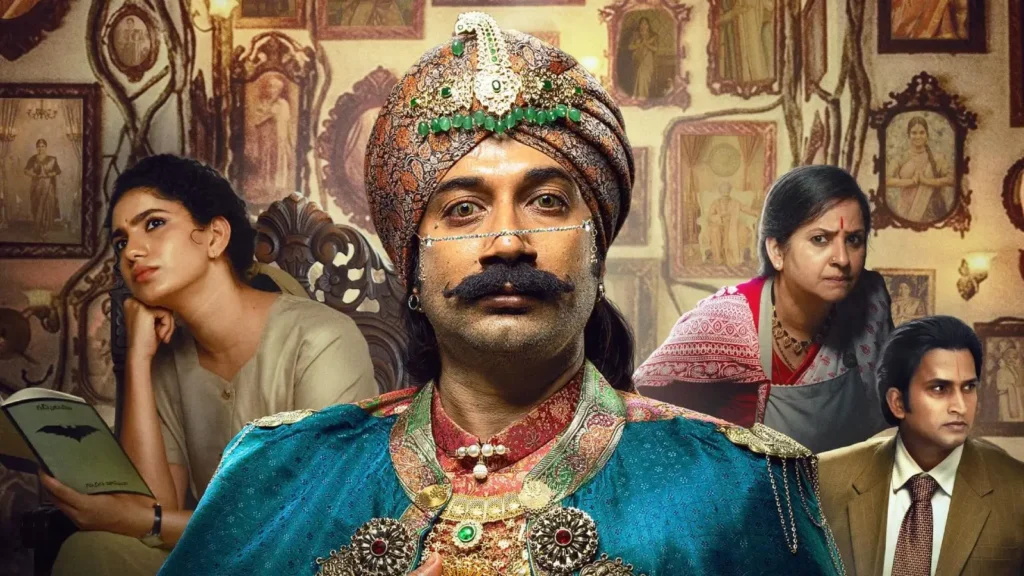
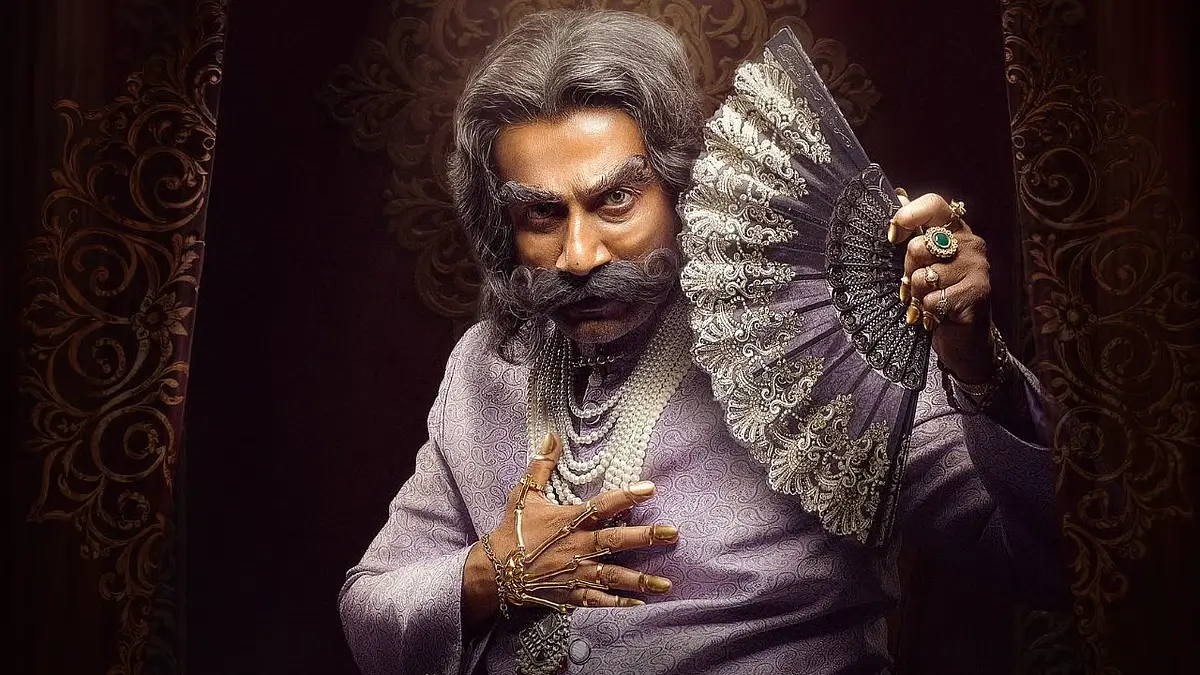
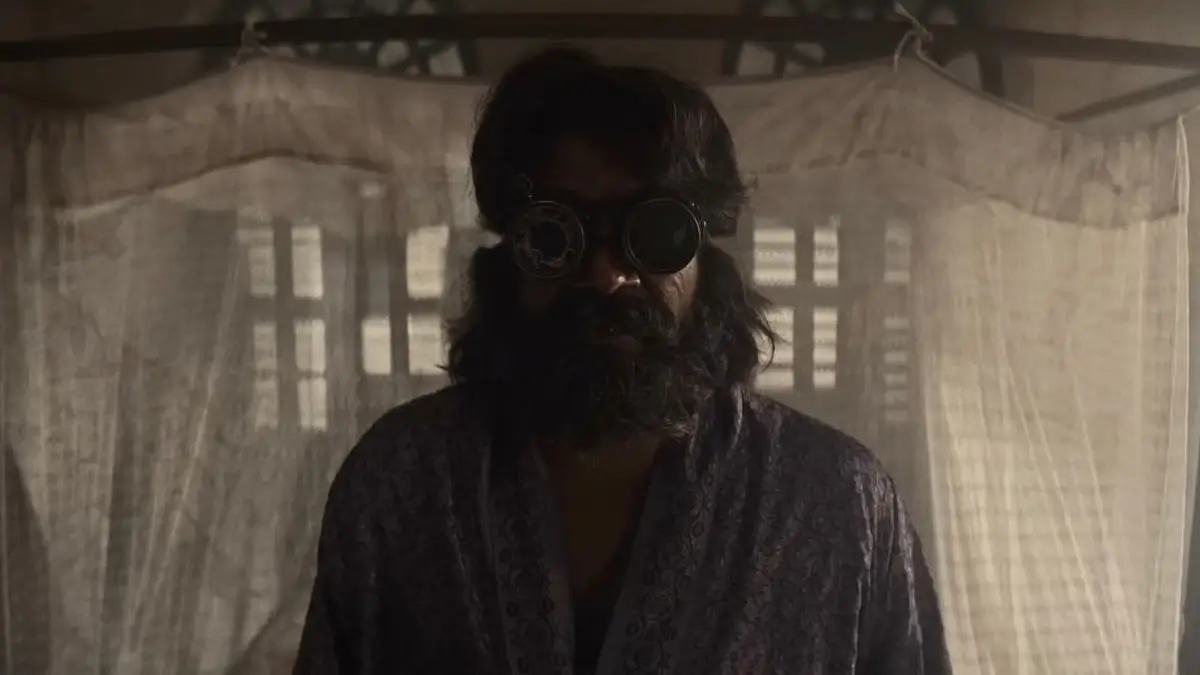
This is the question I want to answer carefully, because the film’s power is substantially dependent on not knowing where it is going. What I can tell you: a king, Rao Bahadur, is confined to a single room within his own vast, ancient mansion. He refuses to leave. He is haunted by recurring dreams featuring a young boy who appears furious with him.
A large portrait of this boy hangs on the palace wall, which means the boy was real, he existed in this space, he mattered to this place, but what his connection to the king is, why the king is consumed by the need to seek this boy’s forgiveness, and what exactly is happening to the king’s mind in the present are questions the film builds across its entire runtime. The room adjacent to the king’s holds its own mystery. Sounds come from inside it. No voice answers.
The king is presented from the very beginning as mentally unstable. He believes he must exit his room through a doorway at the precise moment, or catastrophe will follow. He says things that may or may not be true. He experiences things that may or may not be real. The film consistently and deliberately makes it impossible to distinguish what is happening inside his mind from what is happening in reality. That is the setup. The remaining 90% of what the film is doing I will not tell you, because if I did, you would be watching a different film from the one I watched.
Rao Bahadur Movie Cast
| Actor | Role |
|---|---|
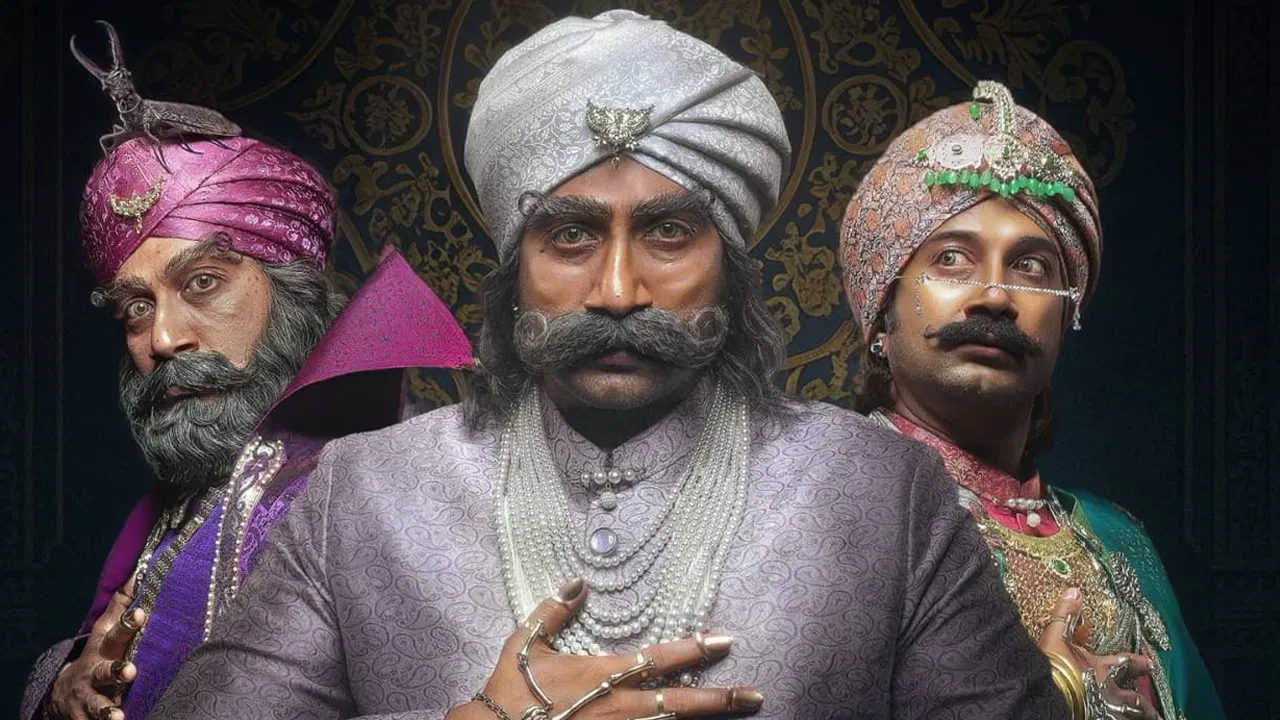
| Satyadev Kancharana | The King — the film’s entire emotional and psychological center |
| Lead Actress | The female lead — unsettling, naturalistic, exceptional |
| Supporting Actress | Housekeeper/Butler figure — a genuine discovery |
| Supporting Ensemble | Various characters whose trustworthiness the film keeps in question |
Satyadev Kancharana Delivers the Best Telugu Performance of 2026
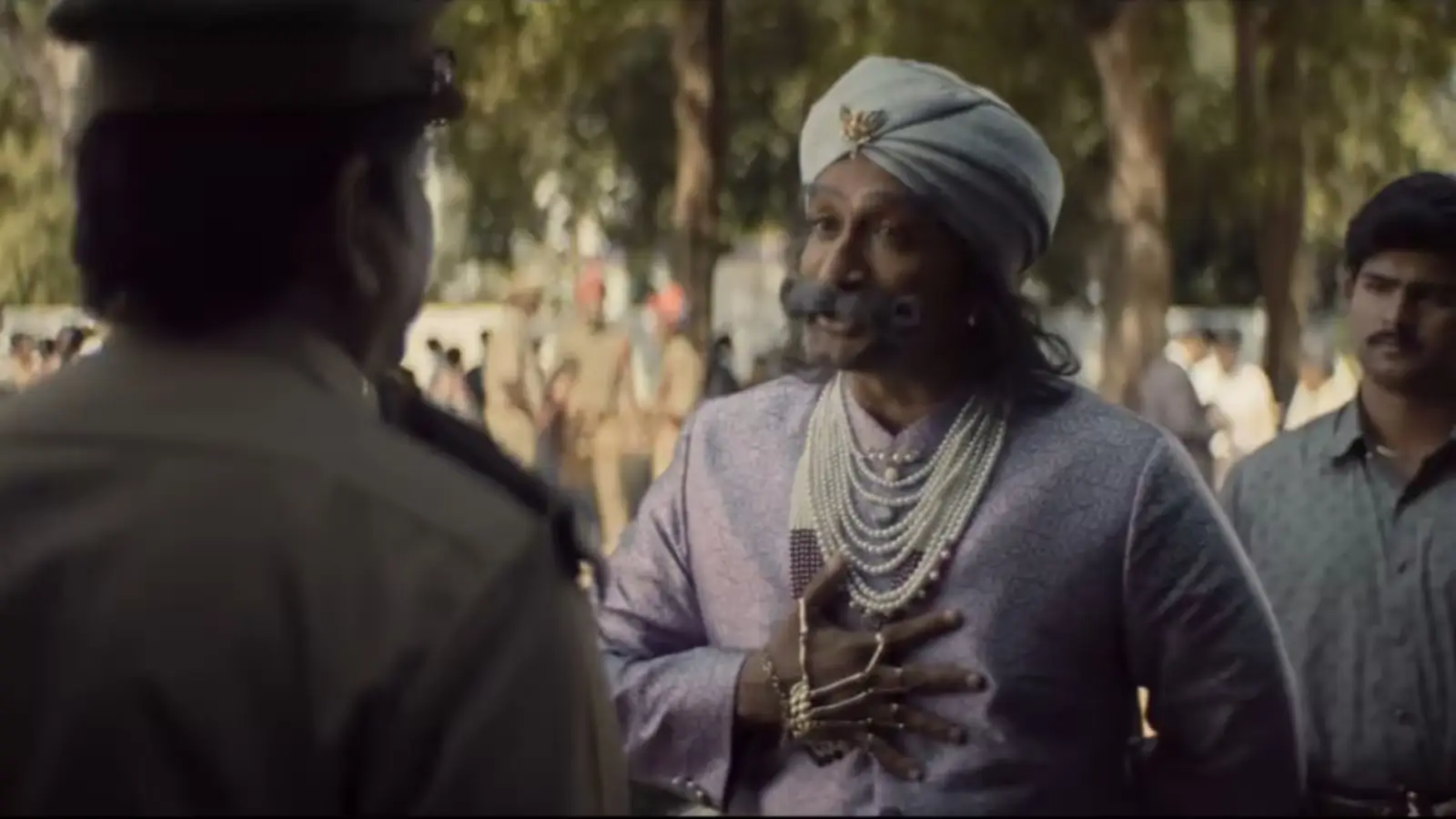
The Finest Acting in a Telugu Film This Year. I have been aware of Satyadev since his cameo in Ram Setu. In Rao Bahadur, he does not simply act the character; the distinction I would draw is that he inhabits a state of being rather than a character, and sustains that state across an entire film without a single moment that reads as performance rather than presence.
Playing a man whose mental stability is in genuine question requires an actor to simultaneously communicate internal chaos and external function, to show you someone who is clearly not well while also showing you enough of who they might have been to generate empathy rather than distance.
Satyadev does this in a way I have rarely seen from any Indian actor working right now. There is a scene in the film, I will not specify it, but you will know it when you reach it, where the camera holds on his face for an extended beat after a revelation, and what he does with that beat with absolutely no dialogue is the finest acting I have seen from a Telugu lead in recent memory. He has been in enough films now that his capabilities are known to close observers of the industry. Rao Bahadur is the film that should make him known to everyone else.
Rao Bahadur Lead Actress Steals Every Scene With an Eerie, Natural Performance
Naturalistic and Eerie in the Best Way. I want to speak about the actress playing the female lead while being deliberately vague about her character’s nature and function, because both are central to what the film is doing. What I can say: she has a quality that is genuinely unusual and genuinely difficult to manufacture. There is something in her face, in how she holds stillness, in the specific register of expressions she deploys, that creates a particular atmosphere in every scene she is in.
“Eerie” is the word that came to mind when I first noticed it, and I mean that as a precise compliment rather than a vague one. For a psychological thriller that depends on sustained unease, an actress who creates that unease through presence alone rather than through performance choices is an enormous asset. She displays emotional range across this film that would embarrass many actors with significantly longer careers. Her final scenes, in particular, are exceptional.
The Housekeeper Is Rao Bahadur’s Biggest Supporting Performance Surprise
A Minor Role, A Major Discovery. There is a woman in this film who plays a housekeeper or butler figure, someone who manages and cares for the mansion’s interior life. She has limited screen time. Her role, as written, gives her a specific set of interactions and a specific narrative function. She is one of the most memorable supporting performances I have encountered in a Telugu film this year.
The specificity of how she has constructed the character, the physical grammar of someone who has worked in this particular house for a long time, the way she holds her body differently when speaking to the king versus when she thinks she is alone, is the kind of acting that only becomes visible if you are paying close attention, but once you notice it, you cannot stop watching her in whatever frame she occupies. I had not seen her in anything before. I will be watching for her in everything that follows.
Rao Bahadur’s Brilliant Concept Is Stronger Than Its Uneven Execution
The Concept Is So Original It Deserved a Slightly Better Film Around It. Here is where I need to be honest about my experience, because the two perspectives I am holding simultaneously are in genuine tension. The concept of Rao Bahadur is extraordinary. A king confined to a single room, haunted by a boy, unable to distinguish his inner reality from the outer one, in a palace that holds more secrets than any room can contain, this is the kind of premise that most screenwriters never arrive at in a lifetime of trying.
The fact that Venkatesh Maha conceived it and made a film around it is genuinely remarkable, regardless of whether the execution fully matches the ambition. But there are significant stretches of the film’s middle section where the concept is being served at the expense of engagement. Individual scenes exist that are executed to a high standard. Satyadev’s performance is consistent throughout, the visual construction of certain sequences is inventive and precise, but the connective tissue between major plot developments sometimes thins to the point where I found myself measuring the distance to the end rather than being pulled toward it.
There is a scene where the heroine and a friend sit and have an extended conversation. It is shot in a long, wide single take. The performance in it is exceptional, genuinely exceptional, the kind of thing that earns the National Award comparisons being made around it. I watched it with admiration for the craft and a growing question about the purpose: how does this specific scene change what the film is doing? What does it shift in terms of character arc or narrative direction? I am still not fully certain of the answer.
This is the tension at the heart of Rao Bahadur: a director with genuine vision sometimes prioritizing the demonstration of that vision over the film’s forward momentum. In C/o Kancharapalem, every scene and sequence felt necessary, felt like it was earning the extraordinary climax that arrived. In Rao Bahadur, the relationship between the buildup and the payoff feels occasionally strained. The climax is so strong that it retroactively justifies more than it should have to. But I wish the path had been tighter.
Rao Bahadur Ending Explained Without Spoilers: A Climax That Rewards Your Patience
Worth the Wait, But You Have to Get There. I will not describe it. I will say only this: the final sequence of Rao Bahadur recontextualizes significant portions of everything that came before it, and the degree to which this recontextualization lands as mind-blowing versus as “oh, that’s what that was about” will differ between viewers. For me, it landed closer to the former.
There is a specific quality to a well-executed psychological thriller reveal, the sensation of pieces clicking into place, of understanding arriving not as explanation but as recognition, and the climax of Rao Bahadur has this quality. The love story dimension that the film reveals in its final act is, as I can say without specificity, genuinely and surprisingly affecting. The ending feels like a film in itself. That is the correct way to describe it.
Is Rao Bahadur a Horror Film?
Not conventionally, though it operates in horror’s register for significant portions of its runtime. The visions of the dead are genuinely unsettling. The palace as a space generates sustained dread in the way that great horror production design creates environments that feel inherently wrong.
There is a scene involving what may or may not be a supernatural presence in the adjacent room that is legitimately frightening. But Rao Bahadur is fundamentally a thriller about the line between a traumatized psyche and an external reality that may contain genuine supernatural elements, and the film is careful never to resolve that distinction definitively. The horror is in the uncertainty as much as in any specific image.
Rao Bahadur vs. Venkatesh Maha’s Previous Work
| Film | My Experience |
|---|---|
| C/o Kancharapalem (2018) | ★★★★★ — A masterpiece. Every scene earned the climax completely. |
| Uma Maheswara Ugra Roopasya (2020) | ★★★★☆ — Excellent. Tight and emotionally focused. |
| Rao Bahadur (2026) | ★★★½☆ — Extraordinary concept, exceptional performances, uneven path. |
Rao Bahadur is the most ambitious film Venkatesh Maha has made. It is not, in my estimation, his best, but it is the one that most clearly demonstrates what he is capable of reaching for. Whether the gap between the reach and the grasp frustrates you or inspires respect will tell you something about the kind of cinema viewer you are.
Will Rao Bahadur Become an OTT Underrated Classic?
Almost certainly yes, and that prediction comes from a specific pattern. Rao Bahadur is exactly the kind of film that is difficult to market, has a theatrical run that will not reflect its quality, and will be discovered on OTT by the kind of viewer who then tells ten other people about it with the intensity that only the genuinely converted bring to a recommendation. The Hindi OTT release is expected approximately one month after theatrical.
When it arrives, I would encourage anyone who watches it to go in with as little information as possible. The theatrical audience willing to take a chance on challenging, original Telugu cinema will find something worth the investment. The OTT audience that comes to it fresh, without expectation or prior information, may find something extraordinary.
Rao Bahadur Pros & Cons
✓ Pros
- The film shifts registers, horror, thriller, comedy, love story, in ways that should not work but largely do
- Satyadev’s performance is the finest Telugu lead acting of 2026
- The concept is genuinely original; nothing in Indian cinema quite resembles this
- The climax is extraordinary and earns its ambition completely
- The lead actress is eerie and exceptional in ways that are difficult to fully articulate
- The supporting housekeeper’s performance is one of the year’s great small-role discoveries
- Visual construction and production design are consistently inventive
✗ Cons
- At its full runtime, it asks for patience that not every viewer will find adequately rewarded
- The middle section is uneven; individual scenes of high craft do not always serve the narrative momentum
- The “is the juice worth the squeeze” question is genuinely unresolved for a portion of the runtime
- Some scenes feel more like demonstrations of the director’s capabilities than necessities of the story
- Supporting characters are underused relative to their potential for building the central mystery
Where to Watch Rao Bahadur
Rao Bahadur is currently in Telugu theatrical release. A Hindi dubbed version is expected on OTT platforms approximately one month after the theatrical release. Check major streaming platforms, including Amazon Prime Video, Netflix, and Aha, for availability once the OTT window opens.
Rao Bahadur Review Final Verdict
| Category | Score |
|---|---|
| Concept / Story | ★★★★★ |
| Direction | ★★★★☆ |
| Satyadev Performance | ★★★★★ |
| Lead Actress Performance | ★★★★★ |
| Supporting Cast | ★★★★☆ |
| Pacing / Engagement | ★★★☆☆ |
| Climax | ★★★★★ |
| Overall | ★★★½☆ (3.5/5) |
Rao Bahadur is a film I am glad exists in Indian cinema, even when it frustrated me. The concept alone, a king haunted by a boy in his dreams, confined to a room, unable to distinguish his internal reality from external truth, is the kind of creative achievement that I want Telugu cinema to keep attempting, regardless of box office outcome. Satyadev’s performance is something that will be discussed for years. The climax lands with the force of a very good magic trick: satisfying not because it explains everything, but because it makes you feel everything was inevitable in retrospect.
Whether the path to that climax is worth the full investment of time and patience depends on who you are as a viewer. If you sat through Dark’s first season trusting it would connect, you will find enough here to hold on. If you need every scene to visibly earn its place in the forward momentum of the story, there will be passages that test you. Go in knowing as little as possible. Meet the film on its terms. The terms are unusual. The payoff is real.
If you’re a fan of psychological thrillers and original Indian cinema, don’t miss our latest reviews of Mollywood Times Review, Pritam and Pedro Review, The Five-Star Weekend Review, Satluj Review, and Young Washington Review. At NexaFeed, we cover the biggest Telugu, Malayalam, Tamil, Hindi, Hollywood, Korean, and OTT releases with spoiler-free reviews, ending explained articles, hidden details, and streaming guides to help you find the movies and series truly worth watching.
Frequently Asked Questions
Q. How is the Rao Bahadur movie?
Ans. Rao Bahadur is a genuinely original psychological thriller with an extraordinary concept, a career-defining performance from Satyadev, and a climax that fully justifies the film’s ambition. It is let down by an uneven middle section where individual scenes of high craft do not consistently serve the narrative momentum. My rating: 3.5 out of 5.
Q. Who is the hero of the Rao Bahadur movie?
Ans. Satyadev Kancharana plays the lead, Rao Bahadur, a king confined to a room in his own mansion, haunted by a boy in his dreams, and unable to distinguish his internal experience from external reality. His performance is the finest of his career and one of the best Telugu lead performances of 2026.
Q. Who is Rao Bahadur?
Ans. In the film, Rao Bahadur is the title character, a king who has locked himself inside his ancient mansion, refusing to leave, consumed by the need to seek forgiveness from a boy who haunts his dreams. The film is a psychological thriller centered entirely on his mental state and the palace’s secrets.
Q. What is the review of Rao Bahadur?
Ans. Mixed-to-positive. The concept is extraordinary, the performances, particularly Satyadev and the lead actress, are exceptional, and the climax is one of Telugu cinema’s strongest recent sequences. The film’s middle section is uneven, with individual scenes that demonstrate directorial craft but do not always serve the film’s momentum. Recommended for patient viewers who enjoy psychological thrillers that prioritize concept and performance over conventional narrative structure.
Q. Is Rao Bahadur on OTT?
Ans. The Telugu theatrical version is currently in cinemas. A Hindi dubbed version is expected on OTT platforms approximately one month after the theatrical release. Check Amazon Prime Video, Netflix, and Aha for availability.
Q. Who is the actress in Rao Bahadur?
Ans. The lead actress’s name will be updated here when confirmed. She delivers a naturalistic, eerie, and emotionally wide-ranging performance that is exceptional throughout and particularly extraordinary in the film’s final sequences.
Rao Bahadur is in Telugu theatrical release. Hindi OTT release is expected approximately one month post-theatrical. Go in knowing as little as possible.