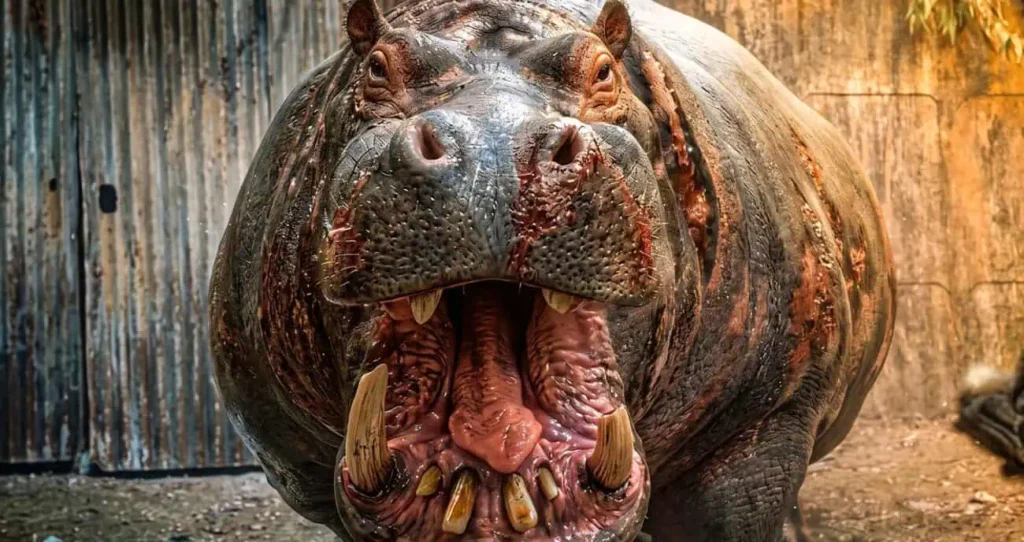
Hungry Review Verdict: Hungry is exactly what it promises to be, a lean, unpretentious 90-minute creature feature set in the Louisiana swamps with a rampaging hippopotamus doing what hippos, it turns out, are terrifyingly well-equipped to do. It is not scary enough, not gory enough, and its third act stumbles badly. But for fans of the animal-attack subgenre who know what they are signing up for, it is a fun enough ride that earns its premise and respects its monster.
Hungry is directed by James Nunn and stars Madison Davenport. This review is based on multiple critical responses from early viewers and horror genre reviewers. What follows is a complete analysis of what the film gets right, where it falls short, and whether it is worth your time.
Hungry Quick Verdict
Hungry is the first genuinely interesting entry in the animal-attack subgenre to swap out the obligatory shark or crocodile for something unexpected: a hippopotamus. That choice is both the film’s greatest selling point and, ultimately, its biggest obstacle. Hippos are statistically one of the deadliest animals on earth, with 500 human deaths a year, territorial aggression, terrifying jaw strength, and a top speed that makes running away largely pointless. The film knows this and leans into it intelligently.
What it cannot quite overcome is that hippos, regardless of their actual lethality, do not carry the visual menace of a great white shark or a charging crocodile. The result is a film that is more fun than frightening, more watchable than memorable, and better than most of what the creature-feature genre delivers in any given year. Turn your brain off, find 90 minutes, enjoy the swamp.
Hungry (2026) — Movie Info
| Detail | Info |
|---|---|
| Title | Hungry |
| Release Year | 2026 |
| Director | James Nunn |
| Lead Cast | Madison Davenport, Tracy Bonner, Wain de Almeida, Michael Curiel, Samantha Coulen, Olivia Bernstone, Jim Meskimman |
| Genre | Horror, Thriller, Creature Feature |
| Setting | Louisiana Swamplands |
| Animal Antagonist | Hippopotamus |
| Approx. Runtime | 90 minutes |
| Our Rating | ★★★☆☆ (3/5) |
What Is the New Hippo Movie in 2026?
Hungry (2026) is a creature feature horror film in which a group of tourists on a swamp tour in Louisiana are hunted by a killer hippopotamus. It is directed by James Nunn, a filmmaker with a background in low-budget action thrillers who has previously worked with Scott Adkins, Kate Beckinsale, and on at least one previous shark film, and stars Madison Davenport as Cyine, the film’s protagonist and de facto final girl.
The premise is straightforward: Cyine and her best friend book a vacation in Louisiana and sign up for a tour to observe alligators in the swamplands. What they encounter instead is a hippo, territorial, aggressive, and very much not interested in sharing the water. What follows is 90 minutes of the group trying to survive, getting taken out one by one, and discovering that everything they thought they knew about hippopotamuses as gentle, vegetarian creatures was catastrophically wrong.
The film is, as far as can be determined, one of the first hippo-centric creature features ever made. The novelty of that alone earns it some attention.
Hungry Movie Cast
| Actor | Role |
|---|---|
| Madison Davenport | Cyine — protagonist / final girl |
| Tracy Bonner | Supporting |
| Wain de Almeida | Supporting |
| Michael Curiel | Supporting — grandson / romantic interest |
| Samantha Coulen | Supporting |
| Olivia Bernstone | Supporting — the irritating one |
| Jim Meskimman | Supporting — the likeable older man |
Hungry Story & Plot Summary
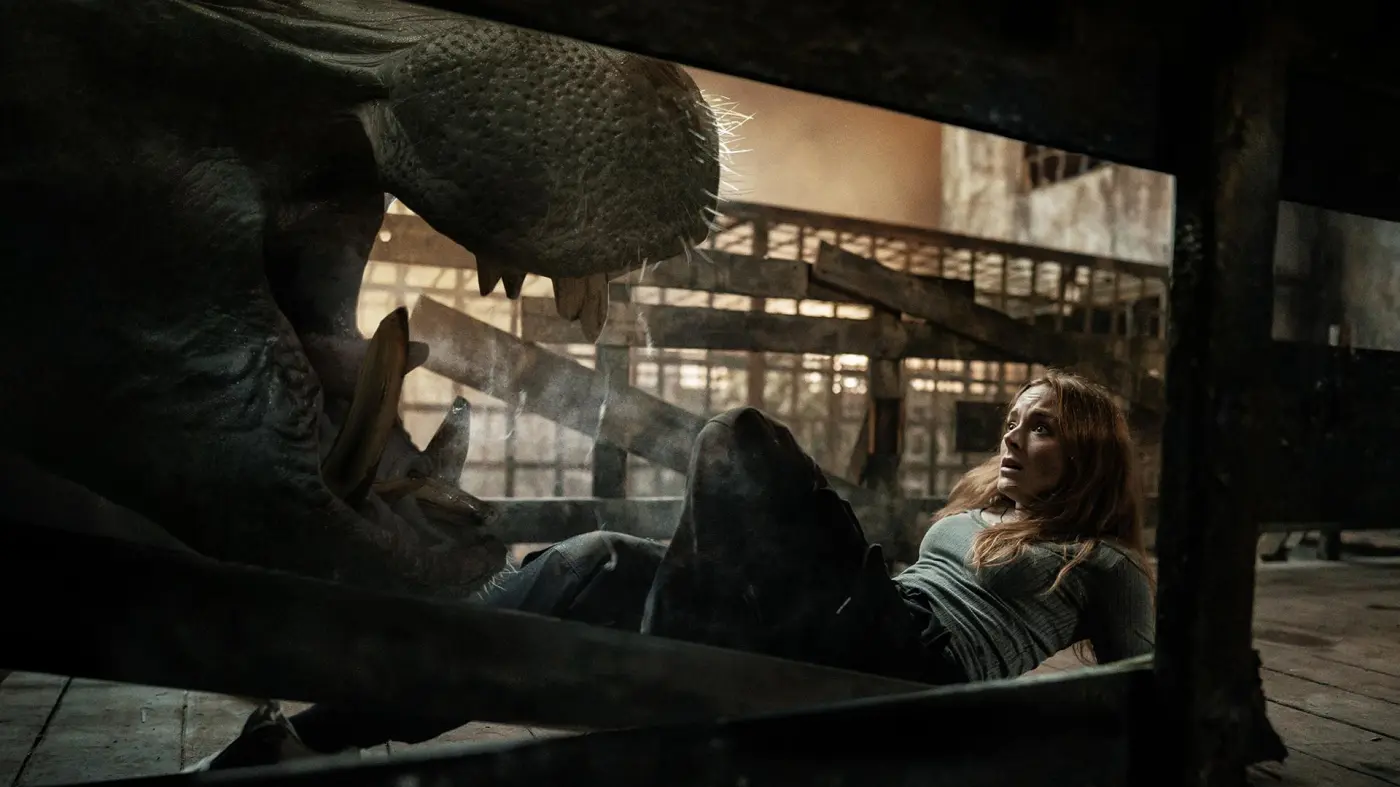
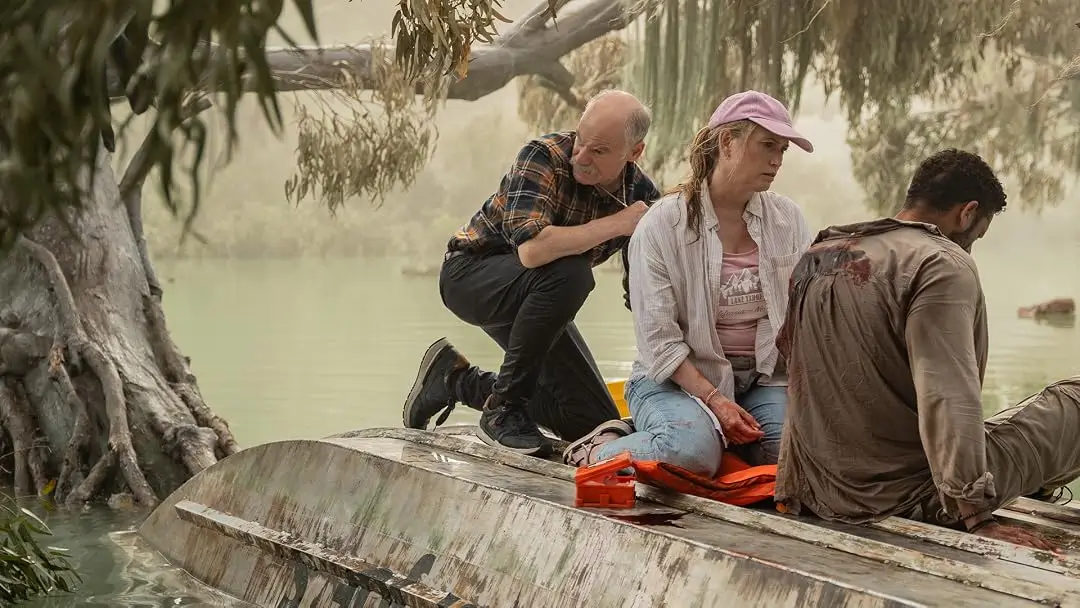
The setup is lean and efficient, which is exactly right for a 90-minute creature feature. Cyine arrives in Louisiana on vacation with her best friend. They book a swamp tour, ostensibly an alligator-watching excursion, with a group of strangers who are quickly established as the film’s ensemble of potential victims. The tour operator, who runs the tourist shop before the trip, has a large hippo skull on display and delivers an early warning speech about how dangerous hippopotamuses actually are. The tourists, as tourists do, ignore him. They should not have ignored him.
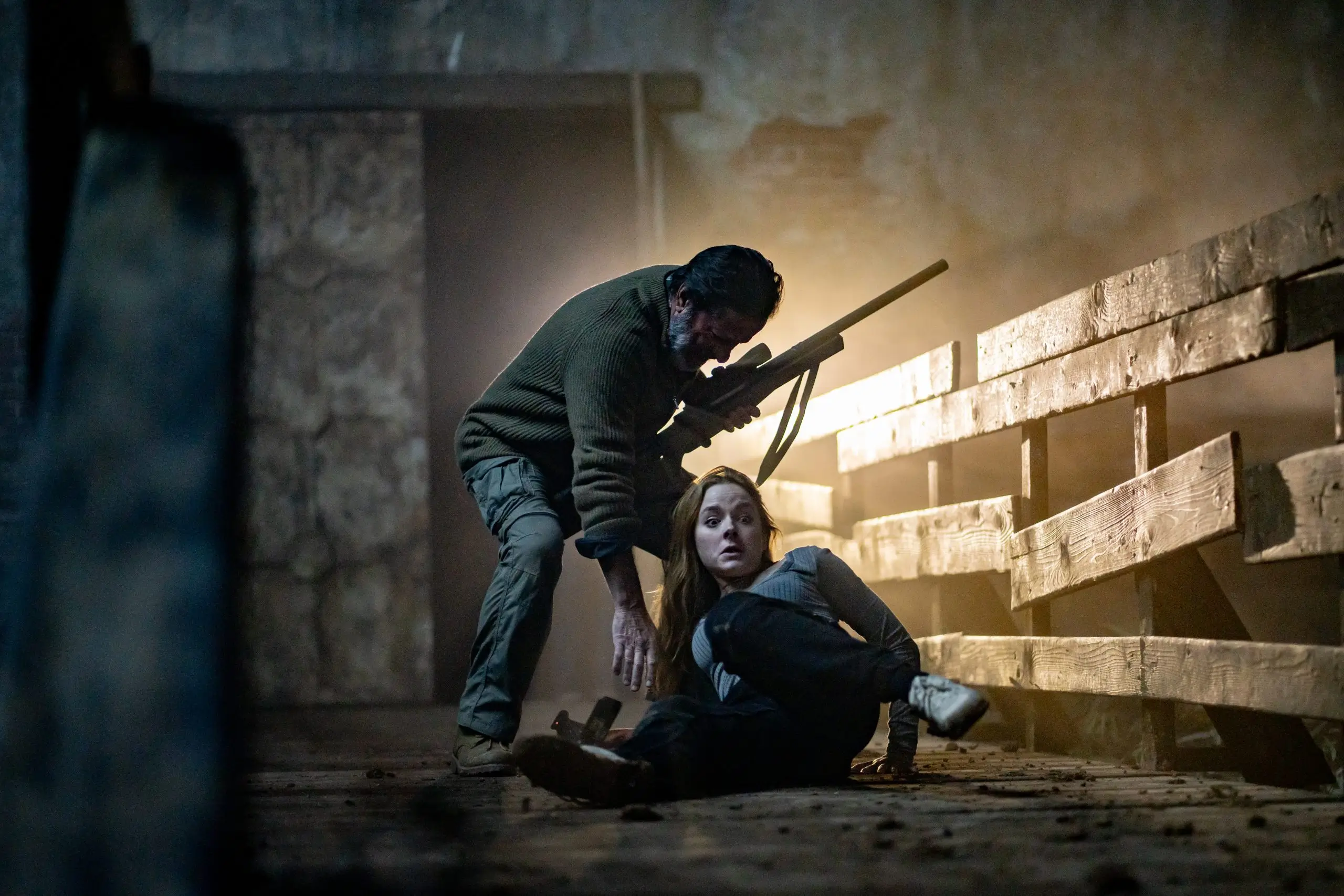
The hippo arrives and begins systematically eliminating members of the group. The Louisiana swamplands, murky, mist-covered, green-toned, and deeply inhospitable, provide a location that serves the film well. There is a genuine feeling of isolation in the setting: no help is coming, visibility is limited, and the water, once characters enter it, becomes a source of constant threat. The film’s atmosphere in these middle sections owes something to Deep Blue Sea in its best moments, the sense that the water is never safe and that the creature could arrive from any direction at any time.
The screenplay attempts to give Cyine a character arc beyond pure survival; she is going through a difficult period in her life, needs to overcome something, the usual scaffolding, but does not commit to it with enough development for it to pay off in the third act. She remains sympathetic and watchable, which is more than most creature features manage with their leads.
The rest of the ensemble is not developed beyond personality types, the likeable grandfather figure, the grandson with a blossoming connection to Cyine, the irritating character who makes the most infuriating decision of the film, but the personalities are distinct enough that you register when each one is threatened.
The third act relocates to a different setting and attempts to escalate the threat in ways that strain credulity even by the film’s own internal logic. Whether hippos are intelligent enough to pursue prey the way the film suggests in its final section is genuinely debatable. Whether audiences will accept it is the more relevant question, and the answer is: some will, some will not.
Hungry Ending Explained
Without detailing every beat, the third act involves a location shift away from the swamp tour boat and into a different environment where the hippo, or hippos, continue their pursuit of the surviving characters. The ending delivers on the creature feature’s basic obligation: a confrontation between the protagonist and the animal, a resolution, and survival for those who were going to survive.
The film does not attempt a twist or a subversive conclusion. It is not that kind of movie. The ending is satisfying in the way that creature feature endings are satisfying: the threat is neutralized, the final girl has demonstrated whatever resourcefulness the genre requires, and the swamp returns to its baseline menace.
What the ending does not do is deliver a standout kill or a genuinely memorable final sequence. The kills throughout the film, including the finale, tend to involve characters being dragged underwater and a pool of blood spreading across the surface. Effective enough as a mechanism. Not particularly inventive as cinema.
The Hippopotamus: Why This Monster Actually Works (In Theory)
The film’s smartest decision is front-loading the hippo’s actual credentials as a threat. Before a single person is attacked, the tour operator’s hippo skull speech establishes the facts: hippos kill approximately 500 humans per year. They are not hunted by humans for food. They do not attack people to eat them; they are vegetarians. They attack because they are territorial, because they are aggressive, and because they can. A creature that kills you not for sustenance but purely as an expression of its nature is, as the film recognizes, inherently more unsettling than one that views you as prey.
Additional facts the film leans on: hippos are deceptively fast (capable of running at speeds that outpace most humans over short distances), their jaw strength is among the most powerful of any land animal, and their semi-aquatic nature means they are at home in exactly the kind of swamp environment the characters are trapped in.
This is good monster-movie groundwork. The film uses it to make the hippo feel plausible as a threat, which is the minimum requirement a creature feature needs to meet. A viewer who goes in knowing nothing about hippopotamuses may leave knowing enough to be genuinely more cautious around them, which is a peculiar but not unwelcome side effect of a horror film.
The problem, and both reviewers identify it clearly, is that hippos do not look scary. A great white shark has the fin, the teeth, and the eyes. A crocodile has the ancient, armored, obviously predatory silhouette. A hippo is large and grey and barrel-shaped, and despite everything the film tells you about its danger, there is something that reads as comical in the moment it charges. The film cannot entirely overcome this visual disconnect. The hippo is genuinely threatening as a concept. As an image, it sometimes registers as absurd.
Hungry Performances
Madison Davenport as Cyine
Davenport is a capable lead who keeps the film anchored when the screenplay around her is doing little more than moving her from one threat scenario to the next. Her character arc, going through something difficult, needing to find inner resolve, is standard creature-feature protagonist construction and is not developed with enough specificity to land in the third act. None of that is Davenport’s failing. She is watchable, sympathetic, and physically committed to what the role requires. In a genre where final girl performances often feel mechanical, she brings enough genuine presence to make you care about Cyine’s survival.
Jim Meskimman as the Older Man
The film’s most consistently enjoyable supporting presence. The grandfather figure archetype has been in creature features since at least Jaws, and Meskimman’s version of it, accompanied by his grandson, warm without being mawkish, cool under pressure, functions as the film’s tonal anchor. When a creature feature gives you a likeable older character, it is usually because they are there to die in a way that raises the emotional stakes. Whether that is his fate here is for viewers to discover. His presence while he is on screen makes the ensemble work better than it would without him.
The Ensemble
The remaining cast occupies the standard creature feature archetypes: the romantic interest (the grandson), the irritating one (who delivers the film’s most groan-inducing character decision), the nurse, and the cannon fodder. None of them is written with depth. All of them have enough personality to make their fates register emotionally, which is the minimum bar. One of them generates genuine irritation rather than anxiety when threatened, which is either a testament to how well the performance calibrates that archetype or a sign that the writing went slightly too far.
Hungry Direction: James Nunn Delivers Exactly What He Knows How to Deliver
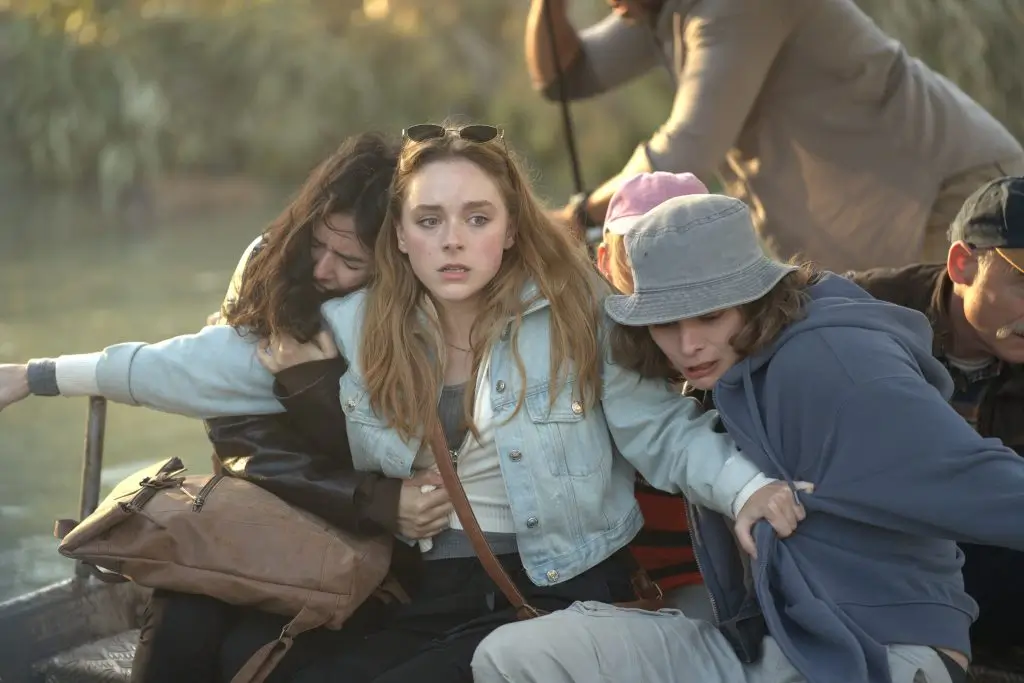
James Nunn is a director with a specific skillset: low-to-mid budget genre films that hit their marks without overreaching. His previous work, action thrillers with Scott Adkins, an action feature with Kate Beckinsale, and a shark movie, establishes a filmmaker who understands genre mechanics, manages modest production resources efficiently, and does not waste time trying to be something he is not.
Hungry reflects this profile exactly. Nunn establishes the swamp location with genuine atmospheric competence, the mist, the murk, the limited sightlines, and the oppressive green-grey palette, and uses it to create a persistent low-level tension that carries the film’s midsection even when individual scenes are not particularly inventive. The pacing is clean: 90 minutes with no significant dead patches and no wasted setup. Characters are placed in jeopardy at regular intervals. The hippo is introduced and reintroduced with sufficient variation in approach angle and circumstance to prevent the attack sequences from feeling repetitive.
What Nunn does not do is deviate from the template. The film has the structure of every creature feature that preceded it, beat for beat, and it does not attempt to subvert, elevate, or interrogate any of those beats. For viewers who come to the creature feature genre for comfort-food genre filmmaking, this is a feature. For viewers who want the genre to surprise them, it is a limitation.
Hungry CGI & Visual Effects: The Hippo Looks Decent
The hippopotamus in Hungry is CGI throughout, which is the only viable option for a film at this budget level. Both reviewers noted that the CGI is better than expected, not polished to blockbuster standard, but competent enough not to undermine the threat. The hippo moves with enough physicality to feel dangerous in the water sequences, and the film is smart enough to use the swamp’s murky, low-visibility conditions to conceal any particularly weak compositing.
The underwater sequences, where characters are dragged down and pools of blood spread across the surface, work primarily because they require the CGI to do less. The swamp setting throughout is practical enough in its base elements (the Louisiana location, or a convincing approximation of it, is a genuine asset) that the CGI animal is blending into a real environment rather than a clearly artificial one.
It is not the CGI that limits the film’s scare factor. It is the animal itself, see above.
Hungry Kill Scenes: Where Hungry Disappoints Its Core Audience
This is the film’s most significant commercial and creative failure. The kills in Hungry are predominantly executed through the same mechanism: character enters or falls into the water, a brief struggle, a pull under, a spreading pool of blood, and cut away. This approach works once. It works twice. By the fifth or sixth iteration, it reads as a budgetary limitation being dressed as a directorial choice.
For the dedicated horror audience, the gore hounds who are the most reliable theatrical ticket-buyers for creature features, this will be a dealbreaker. The film is not a bloodbath. It is not trying to be. But the animal-attack genre has produced films (including Piranha 3D, various shark films, even the original Jaws in its way) that understand the kill sequence as a creative opportunity, not just a plot mechanism. Hungry does not treat its kills with that ambition. Most of them feel lazy.
The blood-on-water visual is effective once and increasingly inadequate as a substitute for genuine invention. There is more gore toward the latter end of the film, and the final sequences deliver slightly more visceral content than the middle sections. But “slightly more than not enough” does not constitute satisfaction for an audience that came expecting the creature feature genre’s most reliable pleasures.
The Louisiana Swamp Setting: The Film’s Best Asset
The location is genuinely one of Hungry’s strongest elements, and possibly its most underappreciated one. The Louisiana swamplands provide an atmosphere that the film did not have to work hard to manufacture: the mist that limits visibility, the dense green vegetation that closes in on the waterways, the murky quality of the water that makes anything beneath the surface unknowable. There is an authentic feeling of isolation in the setting. Help is not coming. The characters are on a boat in the middle of a swamp with a territorial animal, and the environment feels as hostile as the creature.
The closest genre comparison is Deep Blue Sea in terms of environmental threat, the water is the danger zone, and once characters are in it, the tension elevates. The swamp does this more organically than a contained facility, because it is limitless in every direction. The characters can swim toward shore, but the shore is just more swamp. There is nowhere genuinely safe to go.
If the film had leaned harder into this environmental horror, the isolation, the darkness, the sense that the swamp itself is the antagonist, it might have compensated for the hippo’s visual limitations more effectively.
Third Act Problems: When the Film Loses the Plot
The third act is where Hungry most clearly exceeds its own confidence. A location change shifts the action away from the swamp boat into a different environment, and the hippo, or hippos, pursue the characters there. The question the film cannot convincingly answer is whether hippopotamuses would actually do this. The earlier sections establish the hippo as territorial and dangerous within its natural domain. The third act asks whether it would follow prey into a new context, with a persistence and apparent intelligence that stretches what the film’s own hippo-facts groundwork established.
Both reviewers flagged this. For viewers who invested in the film’s credibility as an animal-attack movie, one with specific attention to the real behavior and danger of hippopotamuses, the third act breaks the contract. It trades the grounded plausibility of the first two acts for genre escalation mechanics, and in doing so, loses the thing that was making the hippo work as a threat.
The third act is not disastrous. The film does not collapse. It becomes noticeably weaker and less interesting than the 60 minutes preceding it, which is a familiar creature feature problem and one Hungry does not solve.
Hungry vs. Other Animal Attack Movies
| Film | Animal | Rating |
|---|---|---|
| Jaws (1975) | Shark | ★★★★★ (5/5) |
| Deep Blue Sea (1999) | Sharks | ★★★★☆ (4/5) |
| Beast (2022) | Lion | ★★★☆☆ (3/5) |
| Hungry (2026) | Hippopotamus | ★★★☆☆ (3/5) |
| Average Shark Film | Shark | ★★☆☆☆ (2/5) |
Hungry sits at the competent middle of the animal-attack genre, better than average, not close to the top. It shares a rating with Beast (2022, Idris Elba) in the sense that both are watchable, genre-competent, and limited primarily by third acts that overreach and kill that underpromise. Hungry has the additional distinction of being the first hippo creature feature of meaningful profile, which counts for something regardless of execution.
What Hungry Gets Right
The hippo educational framing. The pre-attack explanation of hippos’ actual danger, 500 deaths a year, territorial aggression, jaw strength, speed, is smart creature-feature groundwork that pays off in the film’s best sections. Audiences who had no idea hippos were this dangerous will leave with a genuine respect for the animal that the film earned.
The Louisiana setting. Atmospheric, isolating, genuinely hostile. The swamp is doing real work as a villain-adjacent environment.
The tone. No mixed messaging. No social commentary. No pretension. Hungry knows exactly what it is, a creature feature about a hippo killing tourists, and does not waste time trying to be something more respectable. For genre fans, this is a virtue.
The pacing. 90 minutes, clean structure, no dead patches. The film does not overstay its welcome.
The hippo’s CGI. Better than expected for the budget level. Not blockbuster, but not embarrassing.
Jim Meskimman. A likeable presence who elevates every ensemble scene he is part of.
What Could Be Better
The kills. The biggest single failing. Most are executed through the same pull-under-pool-of-blood mechanism, which is lazy for a genre where the kill sequence is the primary creative event. Gore hounds will be disappointed.
The third act. The location change and the hippo’s apparent intelligence in the final sequences exceed what the film’s own internal logic established. It becomes less believable exactly when it needs to be most gripping.
Character depth. Cyine’s personal arc is established and not developed. The ensemble is personality-types rather than people.
The scare factor. Hippos are genuinely terrifying in real life. On screen, they read as comical. The film cannot bridge this gap despite its best efforts, and the absence of genuine fear undercuts the genre’s primary function.
Hungry Pros & Cons
✓ Pros
- First genuinely notable hippo creature feature, the novelty factor is real
- Louisiana swampland setting is atmospheric and effectively isolating
- Smart decision to establish hippos as genuinely dangerous before the first attack
- Better CGI than the budget suggests, the hippo holds up on screen
- Clean 90-minute pacing with no dead patches
- No pretension, exactly what it promises, delivered without fuss
- Jim Meskimman as the likeable grandfather figure
- Some effective tension in underwater sequences
✗ Cons
- Kills are predominantly cut-away affairs (drag-under, pool of blood), disappointing for the genre
- Hippos are not visually scary; the film cannot overcome this
- The third act stretches hippopotamus behavior implausibly
- Character arcs are established and abandoned
- Never particularly frightening despite being a legitimately dangerous animal
- One character makes a decision so infuriating that it breaks immersion
- The creature feature formula is followed so closely that it offers no surprises
Is Hungry a Good Movie?
Hungry is a good creature feature, not a good film in a broader sense. The distinction matters for setting expectations correctly.
Within its genre parameters, a low-to-mid budget animal attack film with a 90-minute runtime, a novel creature choice, and no aspirations beyond genre competence, it succeeds more than it fails. It is better than most shark films produced in any given year. It is significantly better than it had any obligation to be. It does not embarrass itself.
Outside those parameters, as a horror film that should generate genuine fear, as a thriller that should generate genuine suspense, as a movie with characters you will remember tomorrow, it falls short. The kills are not memorable. The scares are not landing. The hippo, statistically the most dangerous large animal in Africa, is not carrying the menace that a shark or crocodile brings automatically to the screen.
For creature feature fans who know what they are signing up for: yes, it is worth watching. For anyone hoping the hippo premise would translate into something genuinely frightening: manage your expectations.
Where to Watch Hungry (2026)
Hungry (2026) is currently in release. A confirmed streaming platform and release date have not been announced at publication. Based on typical release patterns for genre films at this budget level, a streaming arrival is expected within 60 to 90 days of theatrical or VOD release. Check major platforms, including Amazon Prime Video, Shudder, Netflix, and Apple TV+, for availability as the release window progresses. Shudder, as the dedicated horror streaming service, is the most likely home for a creature feature of this profile.
Final Verdict
| Category | Score |
|---|---|
| Story / Screenplay | ★★☆☆☆ |
| Direction | ★★★☆☆ |
| Performances | ★★★☆☆ |
| Creature / CGI | ★★★☆☆ |
| Kill Sequences | ★★☆☆☆ |
| Atmosphere / Setting | ★★★★☆ |
| Scare Factor | ★★☆☆☆ |
| Pacing | ★★★★☆ |
| Overall | ★★★☆☆ (3/5) |
Hungry is a genre film that knows what it is and mostly delivers it. It will not be remembered as a creature feature classic. It will not replace the shark as the genre’s primary predator. It will not make hippos the new boogeyman. But it earns its premise, respects its monster enough to do genuine research on why it should terrify us, and provides 90 watchable minutes in a Louisiana swamp that is more fun than frightening. In a genre full of films that fail even at that bar, clearing it is nothing.
If Hungry left you wanting more creature-feature thrills, don’t miss our reviews of Jackass: Best and Last, Little Brother, and The Invite, where we break down everything from unforgettable monster attacks to shocking endings and standout performances. At NexaFeed, we’re always covering the latest horror movies, creature features, Hollywood blockbusters, streaming releases, and hidden gems, so there’s always something new to add to your watchlist.
Hungry Frequently Asked Questions
What is the new hippo movie in 2026?
Hungry (2026) is the new hippo horror movie. Directed by James Nunn and starring Madison Davenport, it follows a group of tourists on a swamp tour in Louisiana who are hunted by a rampaging hippopotamus. It is considered one of the first notable creature features to use a hippo as its primary antagonist.
What is the hippopotamus horror movie 2026?
The 2026 hippopotamus horror movie is Hungry, directed by James Nunn. It follows a group of holiday-makers who encounter a killer hippo in the Louisiana swamplands during what was supposed to be an alligator-watching tour. The film stars Madison Davenport and runs approximately 90 minutes.
Is Hungry (2026) worth watching?
For fans of the animal-attack creature feature genre, yes, it is better than average for the subgenre and benefits from a genuinely novel creature choice. For general audiences expecting intense horror or graphic kills, expectations should be managed. The film is fun and competently made, but not particularly scary or gory.
Who is in the Hungry 2026 cast?
The cast of Hungry (2026) includes Madison Davenport as the lead protagonist Cyine, alongside Tracy Bonner, Wain de Almeida, Michael Curiel, Samantha Coulen, Olivia Bernstone, and Jim Meskimman. Madison Davenport is the film’s primary focus as its final girl and protagonist.
Where can I watch Hungry 2026?
Hungry (2026) is currently in release via theatrical and/or VOD distribution. A confirmed streaming platform has not been announced. Horror streaming service Shudder is a likely eventual home, alongside Amazon Prime Video. Check all major streaming platforms for availability. We will update this page when a streaming release is confirmed.
Is Hungry 2026 a real hippo or CGI?
The hippopotamus in Hungry (2026) is CGI. The visual effects have been noted by multiple reviewers as being better than expected for the film’s budget level, competent and functional if not blockbuster-quality. The film uses the murky Louisiana swamp environment to help conceal any weaker composite shots.
Will there be a Hungry Hungry Hippos movie?
As of 2026, there is no confirmed Hungry Hungry Hippos film based on the Hasbro board game property. Hungry (2026) is a separate original creature feature that plays on the same cultural association with the title as a nod to the game, but it is not an adaptation of or connected to the Hasbro property.
How scary is Hungry 2026?
4Hungry (2026) is not particularly scary, despite its premise. Both reviewers noted that hippos, despite being statistically one of the world’s most dangerous animals, do not carry the visual menace of a shark or crocodile on screen; they can read as comical rather than terrifying in motion. The film generates tension through its swamp setting and the waterborne threat, but genuine fear responses are limited. It functions better as an entertaining genre watch than as a horror film that will keep you up at night.
Hungry (2026) is currently in release. Streaming availability to be confirmed. Check Shudder, Amazon Prime Video, and other major platforms for updates.