The Death of Robin Hood Review: I’ve watched countless revisionist films over the years, from Westerns that dismantle legendary gunslingers to fantasy stories that challenge the myths we’ve grown up with. Because of that, I approached The Death of Robin Hood with equal parts curiosity and skepticism. Every time Hollywood announces a darker, grittier version of a beloved character, I find myself asking the same question:
Why? Not because I’m against reimagining classic stories. Some of the best films ever made have taken familiar legends and stripped away the fantasy to reveal something deeper underneath. The problem is that making something darker doesn’t automatically make it more interesting.
That question stayed with me throughout much of The Death of Robin Hood. On paper, this sounds like another attempt to drag a beloved legend through the mud. No swashbuckling adventure. No romanticized outlaw. No larger-than-life hero stealing from the rich and giving to the poor.
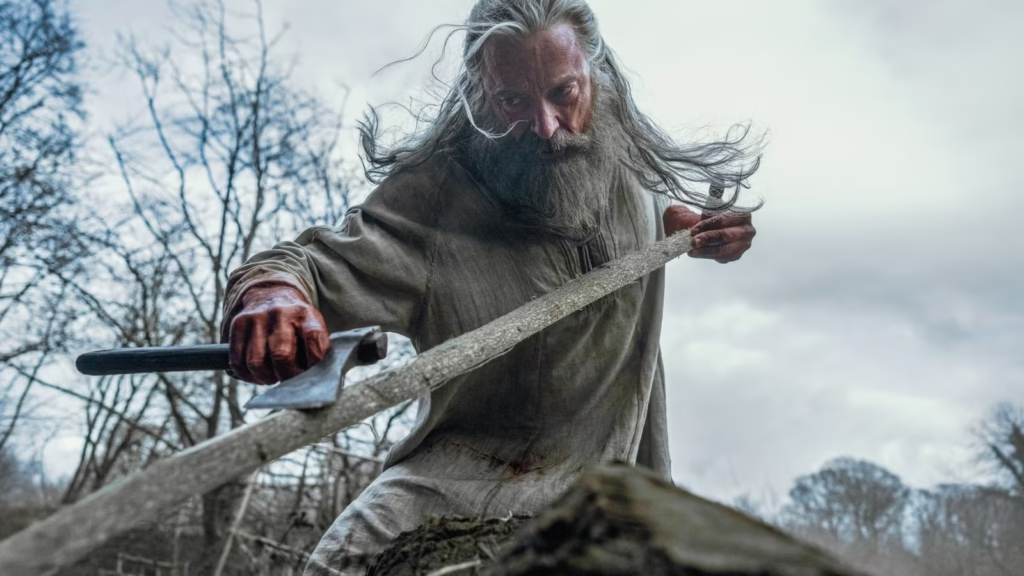
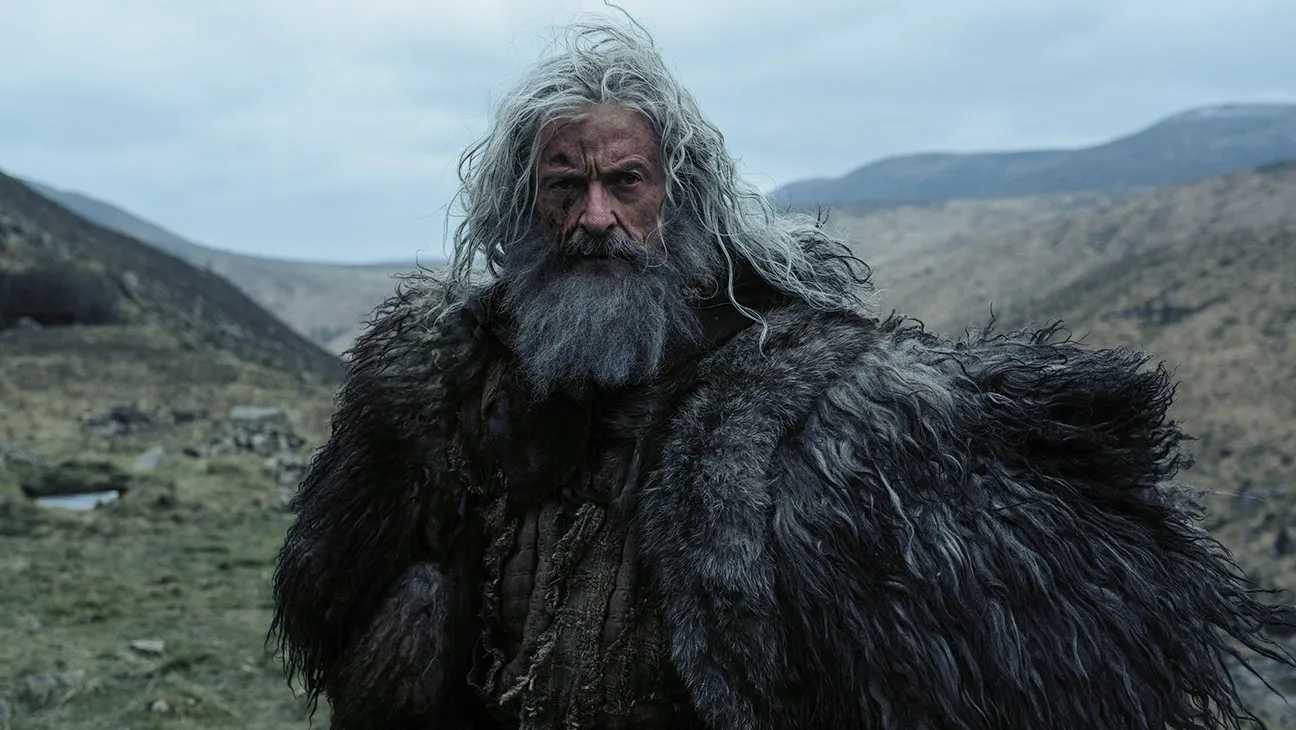
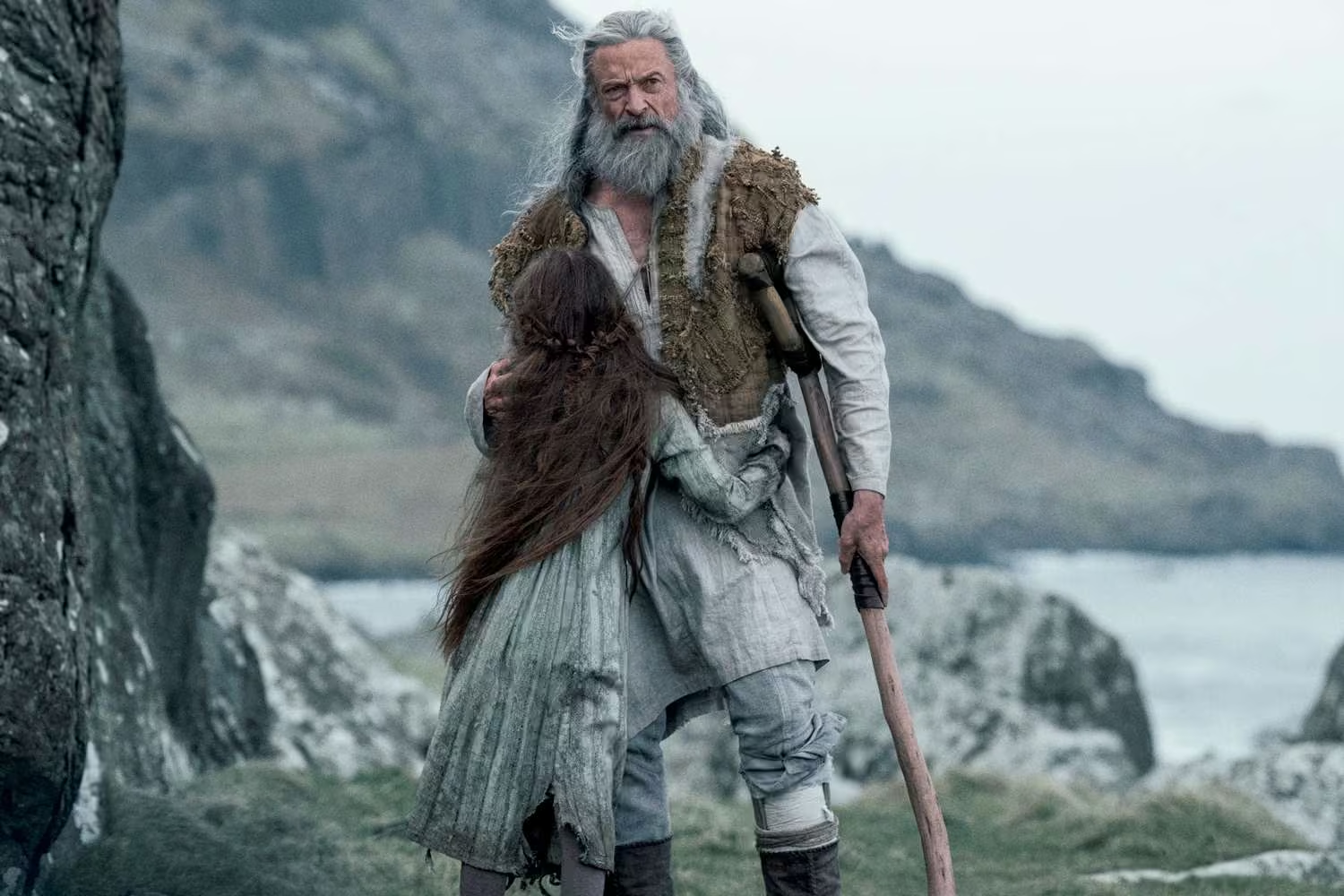
Instead, we’re introduced to an aging Robin Hood who spends much of the film wounded, exhausted, and haunted by a lifetime of violence. At first, I wasn’t entirely convinced. Then the movie revealed what it was actually interested in. And surprisingly, it isn’t really interested in Robin Hood at all.
Quick Facts
- Movie: The Death of Robin Hood
- Director: Michael Sarnoski
- Genre: Historical Drama / Dark Fantasy
- Starring: Hugh Jackman
- Verdict: A thoughtful and haunting deconstruction of one of history’s most famous legends.
A Robin Hood Movie That Doesn’t Care About Being a Robin Hood Movie
One thing I kept noticing while watching The Death of Robin Hood was how little interest it has in the parts of the legend most audiences probably show up to see. There’s very little adventure here. Very little heroism. Very little celebration of the famous outlaw. In fact, Robin spends a good portion of the movie arguing that many of the stories people know about him never happened.
Some were exaggerated. Some were invented. Some may have been repeated so often that even he no longer knows where the truth ends and the myth begins. That’s a fascinating idea. Because once you remove the iconic imagery, the heroic speeches, and the folklore that has surrounded Robin Hood for centuries, what are you left with?
A man. Just a man. An old, tired, deeply flawed man who has spent decades living with the consequences of his choices. The more I thought about it afterward, the more I realized that’s the film’s real subject. Not Robin Hood. Stories.
The Film’s Most Interesting Question
Most movies based on legends ask us to believe the myth. This one asks whether the myth matters more than the truth. There’s a difference. Throughout the story, characters talk about Robin Hood as if he’s larger than life. They know the stories. They know the reputation. They know the legend. Then they meet the actual person.
And the gap between those two versions becomes increasingly important. But here’s the real question: Do we actually want the truth behind our heroes, or do we prefer the myth? One scene in particular stayed with me long after the credits rolled. Robin is forced into a conversation about events from his past, and you can almost see him struggling to separate reality from the stories that have been built around him over the years.
It’s not presented as a dramatic revelation. It’s quieter than that. More uncomfortable. Like watching someone realize they’ve spent so long living inside a story that they’re no longer sure which parts are real. That’s where the movie became genuinely compelling for me.
Hugh Jackman’s Performance Is Better Than It First Appears
If you’re expecting a loud, awards-season performance filled with emotional speeches, you might leave disappointed. Jackman takes the opposite approach. What impressed me most wasn’t what he said. It was what he didn’t say.
There are long stretches where Robin barely speaks at all. Yet Jackman constantly communicates through posture, facial expressions, and physical presence.
You get the sense that this man is carrying around years of guilt, grief, and exhaustion, even when he refuses to acknowledge it himself. A lesser actor might have turned Robin into a walking symbol of regret. Jackman makes him feel human. Stubborn. Conflicted. Sometimes frustrating. And that’s exactly why the character works.
Beautiful, Brutal, and Surprisingly Patient
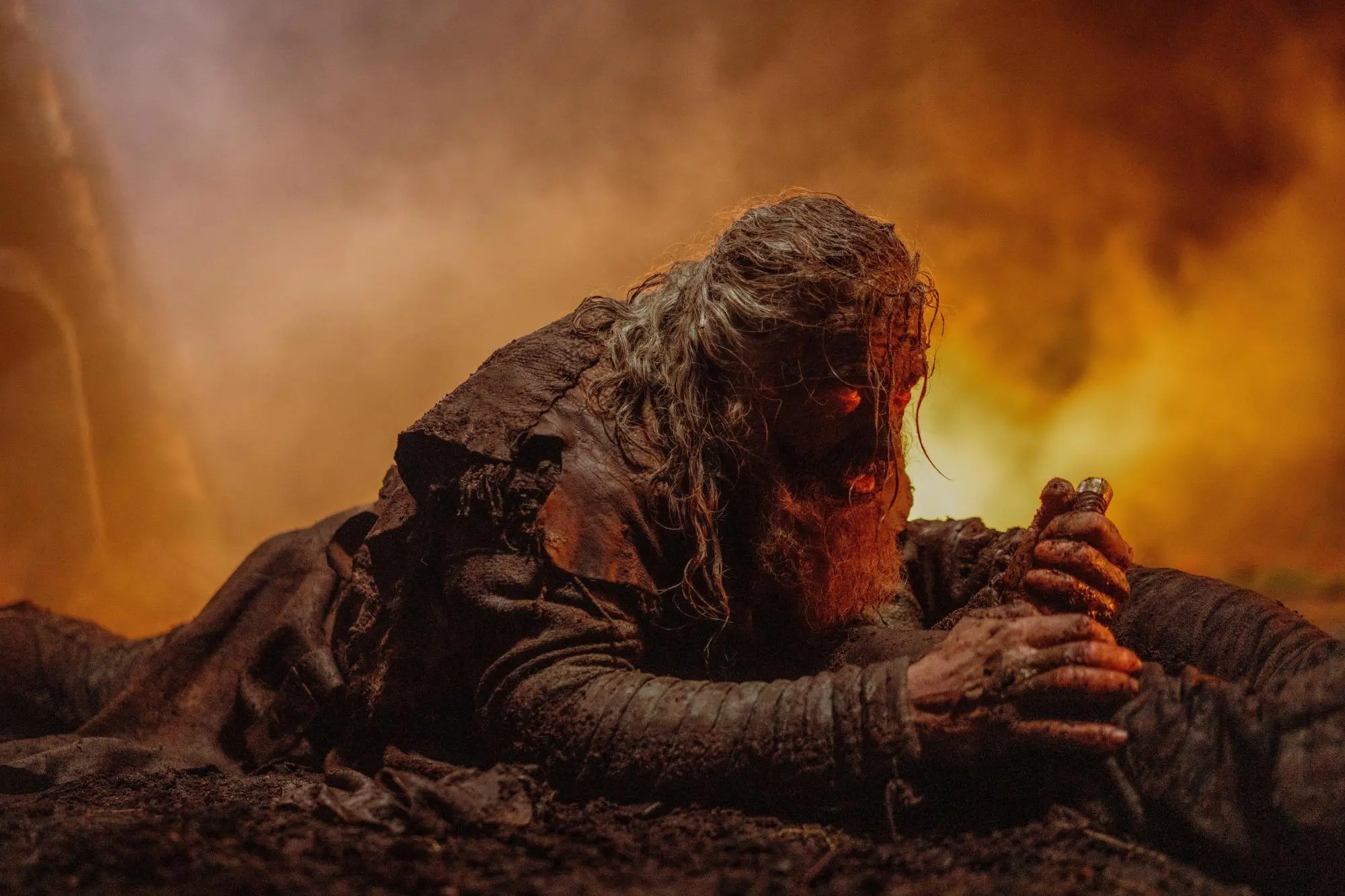
Visually, the movie is stunning. Not in a flashy way. Not in the kind of way designed to generate social media screenshots. Instead, it creates the feeling that you’re looking into a real world populated by real people. Several nighttime scenes genuinely look as though they’re illuminated only by torchlight and candles. Whether that was achieved practically or through cinematography almost doesn’t matter.
The effect works. What surprised me most was how patient the direction is. Modern action films often panic during violent scenes. The camera shakes. The editing speeds up. Everything becomes noise. Michael Sarnoski does the opposite.
The violence is brutal, but the camera rarely looks away. At the same time, it never feels excited by the brutality. That’s a difficult balance to achieve. Some viewers may find the first act overwhelmingly harsh. Personally, I thought it was necessary because the film needs us to understand the kind of world Robin has spent his entire life surviving.
Mercy feels rare here. Violence feels permanent. That’s something many modern action movies struggle with. Even films like The Furious deliver brutal action, but they often approach violence very differently from what Michael Sarnoski is attempting here. Every wound matters.
Why I Kept Thinking About Unforgiven
The comparison that kept returning to my mind wasn’t another Robin Hood movie. Interestingly, this isn’t the first recent film I’ve seen that tries to strip away the myth surrounding its characters. I had a similar reaction while watching Dead Man’s Wire, a movie that explores how media narratives can become bigger than the people at their center.
It was the classic Western Unforgiven. Not because the stories are similar. They’re not. What they share is a desire to dismantle a myth. Just as Unforgiven challenged the romantic image of the Western gunslinger, The Death of Robin Hood challenges the romantic image of one of history’s most famous outlaws.
Both stories ask what happens when legend collides with reality. That tension between expectation and reality reminded me of Bandar, another film that challenges audience assumptions instead of simply delivering what viewers expect. And both arrive at an uncomfortable conclusion. Reality is usually messier.
Less heroic. Less satisfying. Yet somehow more meaningful. I don’t think The Death of Robin Hood reaches the heights of Unforgiven. Few films do. Still, the ambition alone deserves admiration.
Is The Death of Robin Hood Worth Watching?
That depends entirely on what you’re hoping to get from it. If you’re looking for a fun Robin Hood adventure packed with action and heroic moments, this probably isn’t the movie for you.
If you’re interested in a thoughtful character study about guilt, legacy, faith, redemption, and the stories people tell themselves in order to keep going, there’s a lot to appreciate here. Viewers who appreciate psychologically demanding stories may also find something to admire in Die My Love, which similarly prioritizes emotional complexity over conventional entertainment.
By the end, I found myself thinking less about Robin Hood and more about the role stories play in our own lives. The stories we inherit. The stories we tell other people. The stories we tell ourselves. And honestly, any movie that leaves me thinking about something bigger than its plot has probably done something right.
If dark, unconventional storytelling is your thing, you may also want to explore more of our recent movie reviews, including Disclosure Day, Raakh, and The Furious, all of which take very different approaches to challenging audience expectations.
Final Verdict
The Death of Robin Hood won’t be everyone’s idea of a Robin Hood movie, and I suspect that’s exactly the point. Michael Sarnoski isn’t trying to celebrate the legend. He’s trying to examine it.
The result is a haunting, beautifully crafted, occasionally challenging film that asks whether myths are valuable because they’re true, or because people need them to be.
Rating: 8.5/10