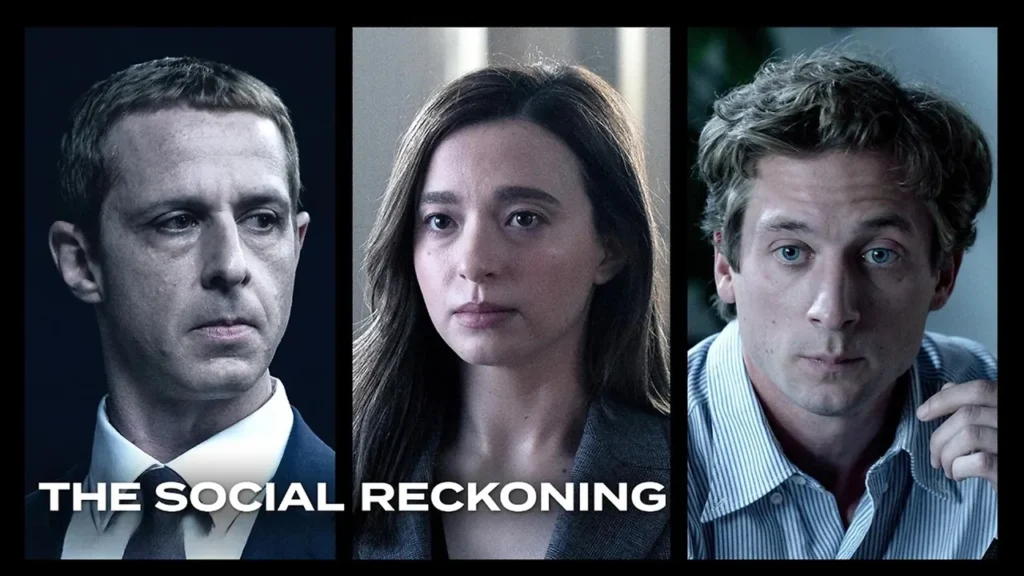
The Social Reckoning Review Verdict: I walked in worried that this spiritual sequel wouldn’t capture what made The Social Network so special, and in some ways that fear came true. Without David Fincher behind the camera, it lacks the cinematic punch, the visual personality, and the score that made the original feel electric. But I still walked out satisfied. The cast is excellent, Aaron Sorkin’s dialogue is as sharp as ever, and the story it tells genuinely needed to be told.
This is a spoiler-free review. I’ll talk about the cast, the filmmaking, and the story’s real-world basis without giving away how anything plays out.
The Social Reckoning Quick Verdict
I want to start with the film this one follows. When I first heard The Social Network was happening, I thought, why would I ever want to see a movie about Facebook? It ended up being one of my favorite movies of all time, endlessly rewatchable. David Fincher directed it beautifully, and Aaron Sorkin’s dialogue is so masterfully put together that I can quote entire exchanges.
So when The Social Reckoning was announced, I saw the potential immediately, especially knowing everything Facebook has been through since. But I was bummed that Fincher wouldn’t return, and even after the trailers, I worried it wouldn’t have the cinematic feel I loved. Watching it, I think that fear partly came true. It doesn’t mean I didn’t like the movie. I came out satisfied, even if happy isn’t quite the right word given the subject matter.
The Social Reckoning Movie Info
| Detail | Info |
|---|---|
| Title | The Social Reckoning |
| Writer / Director | Aaron Sorkin |
| Genre | Drama, Biographical |
| Relation To Original | Spiritual sequel to The Social Network |
| Lead Cast | Jeremy Strong, Mikey Madison, Jeremy Allen White |
| Time Period Covered | Roughly 2019 to 2021 |
| My Rating | ★★★★ (4/5) |
The Social Reckoning Story: What It’s Actually About
The Social Reckoning continues the story of Mark Zuckerberg about ten years after the events of The Social Network. This time, a whistleblower played by Mikey Madison reveals to the press that Facebook’s algorithm leans heavily toward promoting negative content. That’s essentially all I’ll say about the plot, because I want this to stay spoiler-free.
What I can say is that this isn’t a sequel in the traditional sense. It’s a spiritual one, telling a different kind of story with the same company at its center, and a very different emotional temperature than the origin story that made the first film so thrilling.
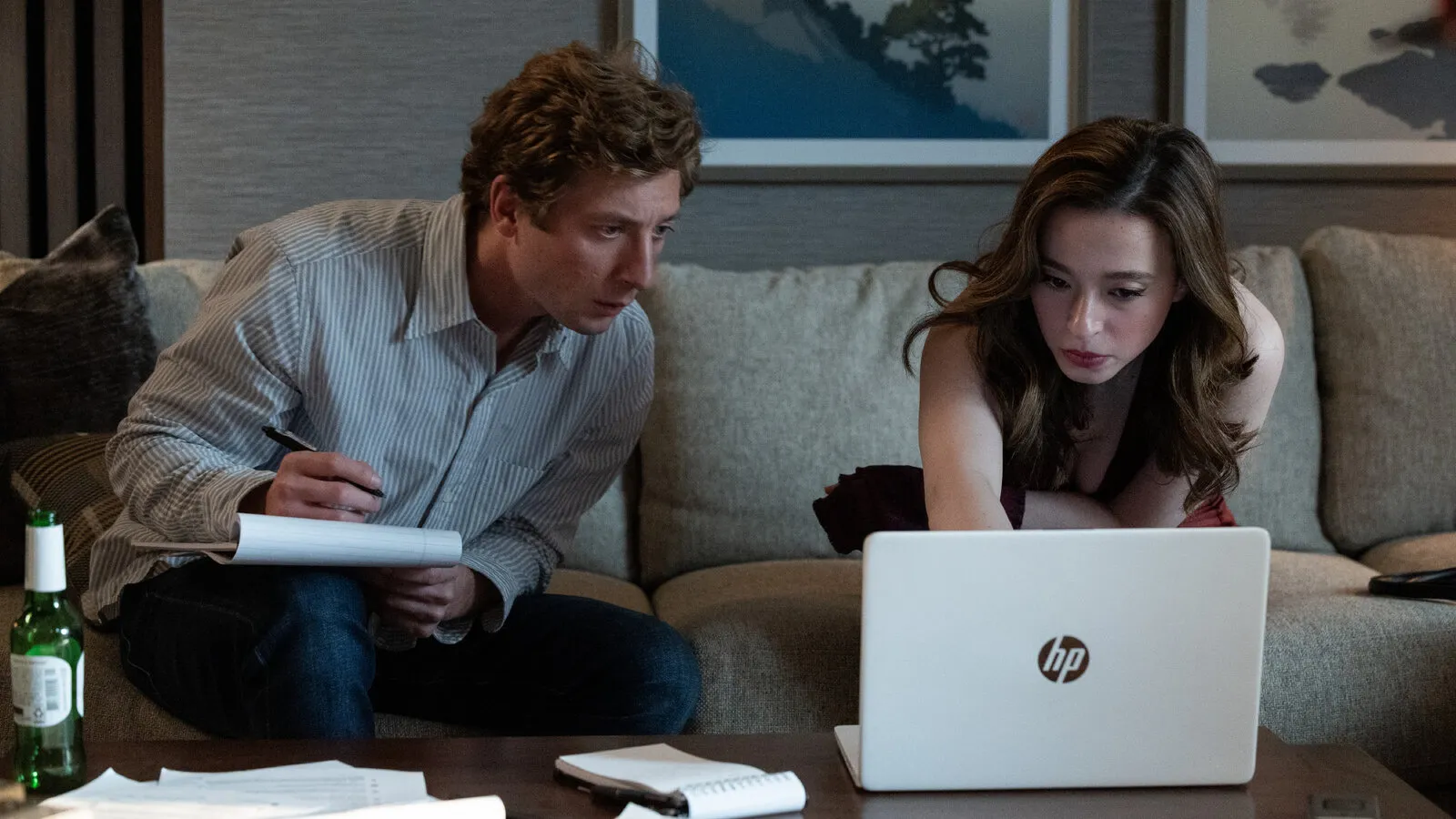
The Social Reckoning Cast
| Actor | Role |
|---|---|
| Jeremy Strong | Mark Zuckerberg |
| Mikey Madison | The whistleblower, a data scientist at Facebook |
| Jeremy Allen White | The journalist |
| Bill Burr | Supporting role |
Why The Social Network Still Matters To Me
I’ll be upfront about my bias. If I hadn’t ended up making videos for a living, I was going to get a business and marketing degree, so movies about the origin of a company, a brand, or an IP will always hook me in. The Social Network is one of the best to ever do it. That’s the bar this film is measured against in my head, and it’s an unfair one, because very few movies clear it.
What Fincher’s Absence Costs This Movie
Here’s where I start with my negatives. A lot of us wonder whether Sorkin can capture the same feel without Fincher, and the honest answer is no. It’s not just Fincher’s handling of Sorkin’s dialogue, pacing it right and giving each scene its punch. It’s also the unique cinematography that gave The Social Network its personality.
But honestly, the biggest thing I missed was the score. The music in the original could lift a scene whether a character was talking fast or slow. Here the film feels a bit flatter for its absence, and as a film buff, I felt that loss.
Aaron Sorkin Directing His Own Words
Putting a screenwriter in the director’s chair has a specific effect, and you feel it throughout. The film is extremely dialogue-heavy, which none of us were surprised by, but it’s dialogue-heavy in a particular way: rapid-fire sentences, punchline after punchline, exposition stacked on exposition. You start to miss the breathing room Fincher built between those exchanges.
That said, Sorkin’s dialogue here is masterful. Written by almost anyone else, I think this would fall completely flat. You can tell you’re watching a screenwriter directing his own words, and while that costs the film some visual energy, every line has intention behind it. I stayed locked into what these characters were saying the entire time.
Jeremy Strong As Mark Zuckerberg
I actually wasn’t bothered that Jesse Eisenberg didn’t come back. Jeremy Strong captures a lot of Zuckerberg’s mannerisms and way of speaking without simply imitating Eisenberg. The film is set during the 2019 to 2021 stretch of Facebook, when that was very much his look, before the longer hair, long T-shirts, and chains. Strong pulls the role off well, but he isn’t the standout. There are stronger performances around him, and the movie is better for being an ensemble.
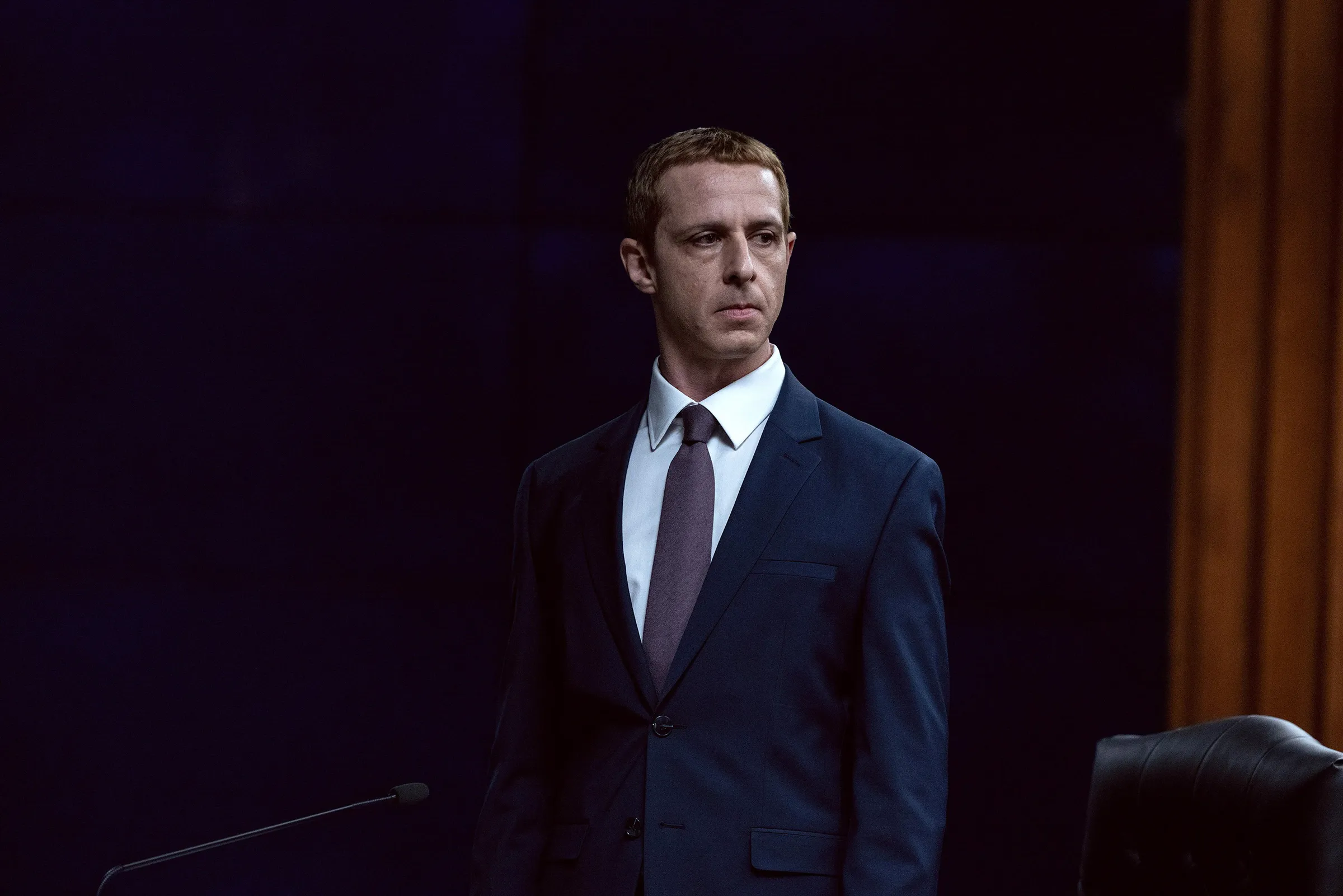
Mikey Madison Is The Standout
If I had to pick one performance that carries this film, it’s Mikey Madison. She plays the whistleblower, a data scientist at Facebook who realizes something is seriously wrong with the algorithm. What makes it so effective is the conflict she carries. She wants to expose what’s happening, but she doesn’t want to risk her job or the reputation of a company she genuinely believes in. She loves where she works. She just wishes the terrible things happening there weren’t being encouraged.
Madison completely disappears into this role. Her line delivery is excellent; she’s funny at times, and you can really see her range. I wouldn’t be surprised if she’s in the conversation for another Oscar nomination.
Jeremy Allen White And Bill Burr
Jeremy Allen White is really good as the journalist trying to get this story out. I remember watching him in the Shameless days, and The Bear catapulted him, and he was great in Iron Claw too. Here he plays a very good straight man with great chemistry opposite Madison, and their scenes together are some of the strongest in the film.
I also want to give a shout-out to Bill Burr, who only has a couple of scenes but is great in every one of them. I’ve always loved him as a comedian, and Sorkin’s dialogue gives him exactly the kind of material that lets him hit hard.
Is The Social Reckoning A True Story?
Yes, it’s based on real events. The film deals with Facebook’s algorithm and the actual facts behind how the company handled it, drawing on real documents and things that happened in court. Like most biographical films, it condenses and dramatizes, so specific scenes and conversations are Sorkin’s interpretation rather than a literal record. But the core of what it explores is rooted in fact, and that matters a lot to how I think about it.
It’s no secret that most social media platforms build their algorithms around addictive tendencies. What this movie explores is the specifics of what Facebook did and the way Zuckerberg let it happen, and I think it’s twisted, and it’s caused a lot of the horrible things we deal with as a society today.
Is The Movie Preachy?
I can understand the complaint. At times the film feels a little preachy, banging you over the head with obvious mentions of how bad social media is for mental health. It’s very one-sided, and there will be people- you probably know exactly who- who watch this and call it woke.
But this isn’t invented. It’s based on real events and actual documents, and yet someone will dismiss it as Hollywood propaganda. I think that reaction is part of why the movie is important to take in. It’s a story that needed to be told, and it’s told clearly enough that complicated facts become digestible even for people who don’t follow the tech world.
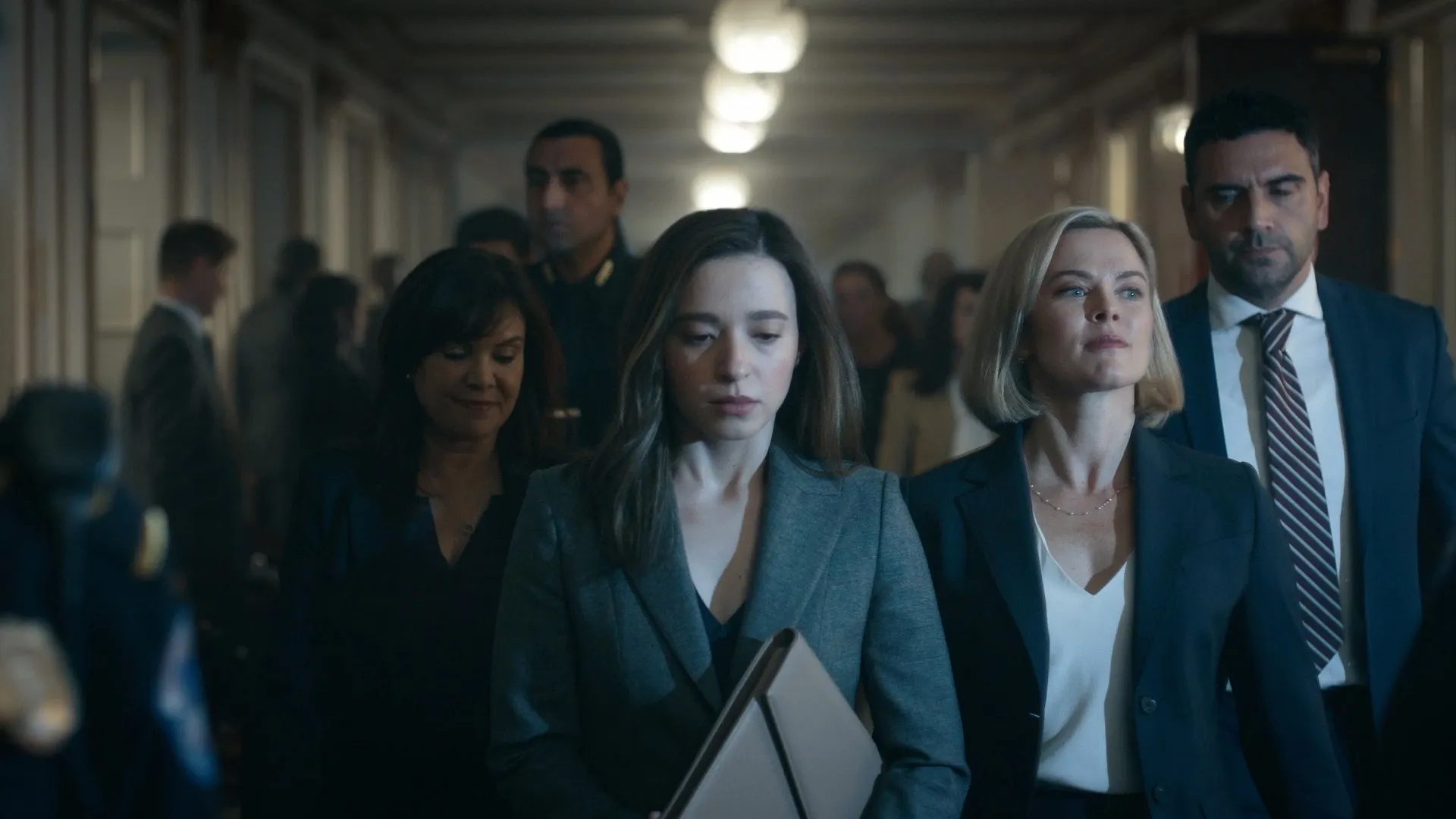
The Surprising Nuance Around Zuckerberg
What surprised me most is that the film isn’t a pure takedown. I don’t agree with Zuckerberg’s stance, but the movie actually finds a way to let me see his perspective and why someone in his position might allow such negative, damaging content to live on his platform. There are scenes, through Sorkin’s dialogue, where I got a glimpse into that mindset and thought, wow, okay, I kind of get that, even though I don’t agree with it.
That nuance is part of the film’s brilliance. There’s a lot of heavy material in here: data, percentages, coding talk, political angles, the kind of topics people roll their eyes at or feel uncomfortable discussing because we’d rather shield ourselves from the issues. The movie does it anyway, and I walked away thinking that was actually really good.
Why Jesse Eisenberg Isn’t In The Social Reckoning
The film recasts Mark Zuckerberg with Jeremy Strong rather than bringing back Jesse Eisenberg. I can’t speak to the behind-the-scenes reasoning, but on screen it works because the film is set roughly a decade later and covers a different era of his life. I found it more convincing than I expected going in.
What The Social Reckoning Gets Right
The cast. There isn’t a bad performance in the bunch, and the chemistry between them is excellent.
Mikey Madison. A genuinely standout, nuanced performance that carries the emotional weight of the film.
Sorkin’s dialogue. Dense, funny when it needs to be, and effective at making complicated facts digestible.
The nuance around Zuckerberg. It lets you understand his perspective without excusing it.
The importance of the subject. This is a story that needed to be told and seen by the public.
What Could Be Better
The cinematic feel. Without Fincher, the film lacks the visual personality and unique cinematography of the original.
The score. Easily the element I missed most when comparing the two.
The pacing of the dialogue. Rapid-fire exposition stacked on exposition leaves little breathing room.
The preachiness. Some viewers will feel the film hammers its message a little too hard.
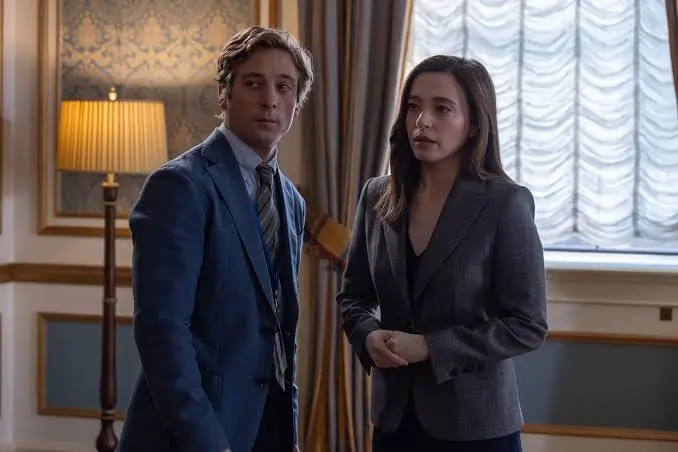
The Social Reckoning Pros & Cons
✓ Pros
- Outstanding ensemble cast with excellent chemistry
- Mikey Madison delivers a standout, awards-worthy performance
- Sharp, masterful Aaron Sorkin dialogue
- A nuanced portrayal of Zuckerberg that avoids a simple takedown
- A timely, important subject based on real events
✗ Cons
- Lacks the cinematic personality and cinematography of The Social Network
- The missing score is felt throughout
- Dialogue-heavy delivery leaves little breathing room
- Can feel preachy and one-sided to some viewers
- Heavy data and political talk won’t be for everyone
Is The Social Reckoning Worth Watching?
Yes, and I’d go further and say it’s worth seeking out in theaters. It won’t rank as high on my list as business biopics like The Social Network, and I don’t think it’ll be as palatable to a general audience because of the statistical talk and political angles people would rather avoid. But I still find it a very important movie, worth adding to your personal collection.
At one point I worried this would just be a lesser Social Network. Even though that cinematic quality is missing, the story holds up and serves its purpose for existing.
The Social Reckoning Rating: My Honest Breakdown
| Category | My Score |
|---|---|
| Action | ★ |
| Comedy | ★★ |
| Drama | ★★★★ |
| Suspense | ★★½ |
| Cast Performances | ★★★★½ |
| Overall | ★★★★ (4/5) |
The action score is low because this is a dialogue-heavy film directed by a screenwriter, and you know that going in. Comedy is lightly sprinkled in, mostly a few recurring jokes that ease the terrible information we’re being given about the real world. Drama is where it shines, thanks to the cast and the dialogue. Suspense lands in the middle, because some viewers will feel they already knew most of this, though I think the film goes beyond that by asking whether the company should take responsibility and what governments should be doing about it.
The Social Reckoning Where To Watch
The Social Reckoning is playing in theaters, and I’d recommend catching it there if you can. It’s a film I think people should seek out on the big screen. I haven’t seen a streaming or digital release date confirmed, so theaters are the way to see it for now.

Final Verdict
| Category | Score |
|---|---|
| Story / Screenplay | ★★★★½ |
| Direction | ★★★ |
| Performances | ★★★★½ |
| Cinematography / Score | ★★½ |
| Importance Of Subject | ★★★★★ |
| Overall | ★★★★ (4/5) |
The Social Reckoning isn’t The Social Network, and it was never going to be. Without Fincher’s direction, the cinematography, and that unforgettable score, it lacks the cinematic punch that made the original so rewatchable. But the story serves its purpose; the cast is excellent, Mikey Madison is outstanding, and Sorkin’s dialogue pulls you into a complicated subject in a way that’s digestible and thought-provoking. I kind of wonder what Facebook will be doing in ten years that warrants another movie, and who will be playing these characters then.
If you’re deciding which Movie to watch next, explore our latest reviews of East of Eden Review, Sleepy Hollow Review, Bethlehem Kudumba Unit Review, Godzilla Minus Zero Review, Digger Review, Carrie Review, Verity Review, and Coven Academy Review. At NexaFeed, we publish spoiler-free movie reviews, OTT series reviews, ending explained articles, hidden details, and streaming guides covering Disney, Pixar, Marvel, Netflix, Prime Video, Apple TV+, HBO Max, and the biggest theatrical releases from around the world.
The Social Reckoning Frequently Asked Questions
Q. Is The Social Reckoning a sequel to The Social Network?
Ans. It’s a spiritual sequel rather than a direct one. It continues the story of Mark Zuckerberg about ten years later, with Aaron Sorkin writing and directing, but it tells a very different kind of story with a different tone and a different cast in the lead role.
Q. What is The Social Reckoning about?
Ans. The film follows a Facebook whistleblower, played by Mikey Madison, who reveals to the press that the platform’s algorithm leans heavily toward promoting negative content. It explores her conflict over exposing it and Zuckerberg’s role in letting it happen.
Q. Is The Social Reckoning a true story?
Ans. Yes, it’s based on real events, drawing on actual documents and things that happened in court. Like most biographical films, specific scenes and conversations are dramatized, but the core of what it explores is rooted in fact.
Q. Why isn’t Jesse Eisenberg in The Social Reckoning?
Ans. The role of Mark Zuckerberg is played by Jeremy Strong instead. I can’t speak to the behind-the-scenes reasons, but the film is set about a decade after the original and covers a different era of Zuckerberg’s life, and Strong captures his mannerisms convincingly without imitating Eisenberg.
Q. What is my The Social Reckoning rating?
Ans. I’d rate The Social Reckoning 4 out of 5. The cast, especially Mikey Madison, the sharp dialogue, and the importance of the subject are genuine highlights, while the missing Fincher touch and the absent score keep it from reaching the original’s heights.
Q. Who is in The Social Reckoning cast?
Ans. Jeremy Strong plays Mark Zuckerberg, Mikey Madison plays the whistleblower, and Jeremy Allen White plays the journalist, with Bill Burr in a small supporting role.
Q. Where can I watch The Social Reckoning?
Ans. The Social Reckoning is currently playing in theaters. I haven’t seen a streaming release date confirmed yet.
The Social Reckoning is currently playing in theaters.