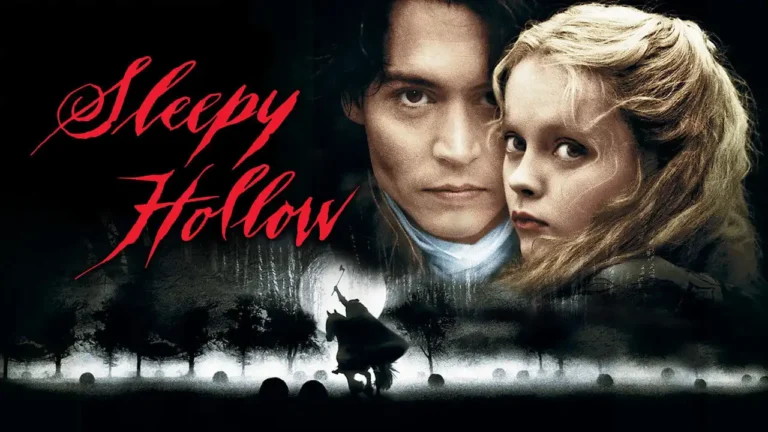
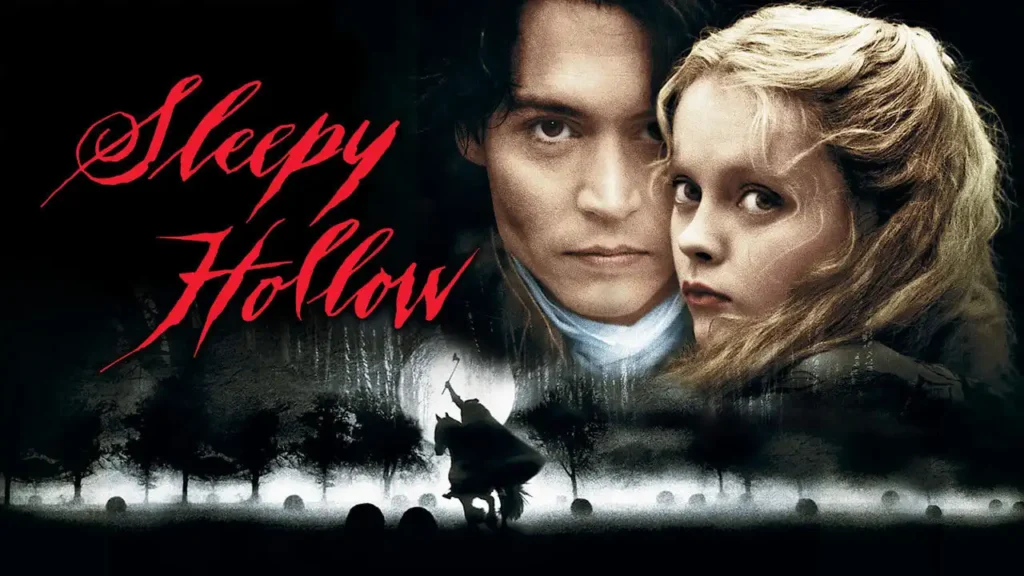
Sleepy Hollow Review Verdict: Sleepy Hollow is better than I remembered it being, and I remembered it being great. Rewatching it this spooky season, decades after I first wanted to sneak into theaters as an eleven-year-old to see it, I came away convinced this film is genuinely underrated, gorgeous, violent, funny, and anchored by a Headless Horseman performance from Christopher Walken that needs no dialogue to be one of the most arresting screen presences Tim Burton has ever put on film.
Sleepy Hollow (1999) is widely available to rent, buy, or stream across major digital platforms. This review is a retrospective, written during a seasonal rewatch. Light spoilers discussed throughout, as is standard for a film over two decades old.
Quick Verdict: Is Sleepy Hollow Worth Watching?
Absolutely, and if you have not revisited it in years, this is the year to do it. I just rewatched Sleepy Hollow for the first time in a long while as part of an annual October tradition of covering great horror and genre films, and I came away reminded of something I think a lot of people forget: this movie is genuinely excellent, not just nostalgically enjoyable. It holds up as a piece of craft the cinematography, the practical and digital effects work, the score, the performances in a way that a lot of films from 1999 simply do not.
Watch it during spooky season, specifically if you can. There is something about the right film meeting the right time of year like the right spice on the right dish, and Sleepy Hollow in October hits differently than Sleepy Hollow in June. But honestly, I would watch this one in any season and still love it.
Sleepy Hollow (1999) — Movie Info
| Detail | Info |
|---|---|
| Title | Sleepy Hollow |
| Director | Tim Burton |
| Writer | Andrew Kevin Walker |
| Release Year | 1999 |
| Genre | Gothic Horror / Mystery |
| Lead | Johnny Depp as Ichabod Crane |
| The Headless Horseman | Christopher Walken |
| Composer | Danny Elfman |
| Our Rating | ★★★★½ (4.5/5) |
Sleepy Hollow Cast
| Actor | Role |
|---|---|
| Johnny Depp | Ichabod Crane — forensic investigator sent to Sleepy Hollow |
| Christopher Walken | The Headless Horseman (seen with his head, pre-decapitation sequences) |
| Christina Ricci | Katrina Van Tassel |
| Casper Van Dien | Brom Van Brunt |
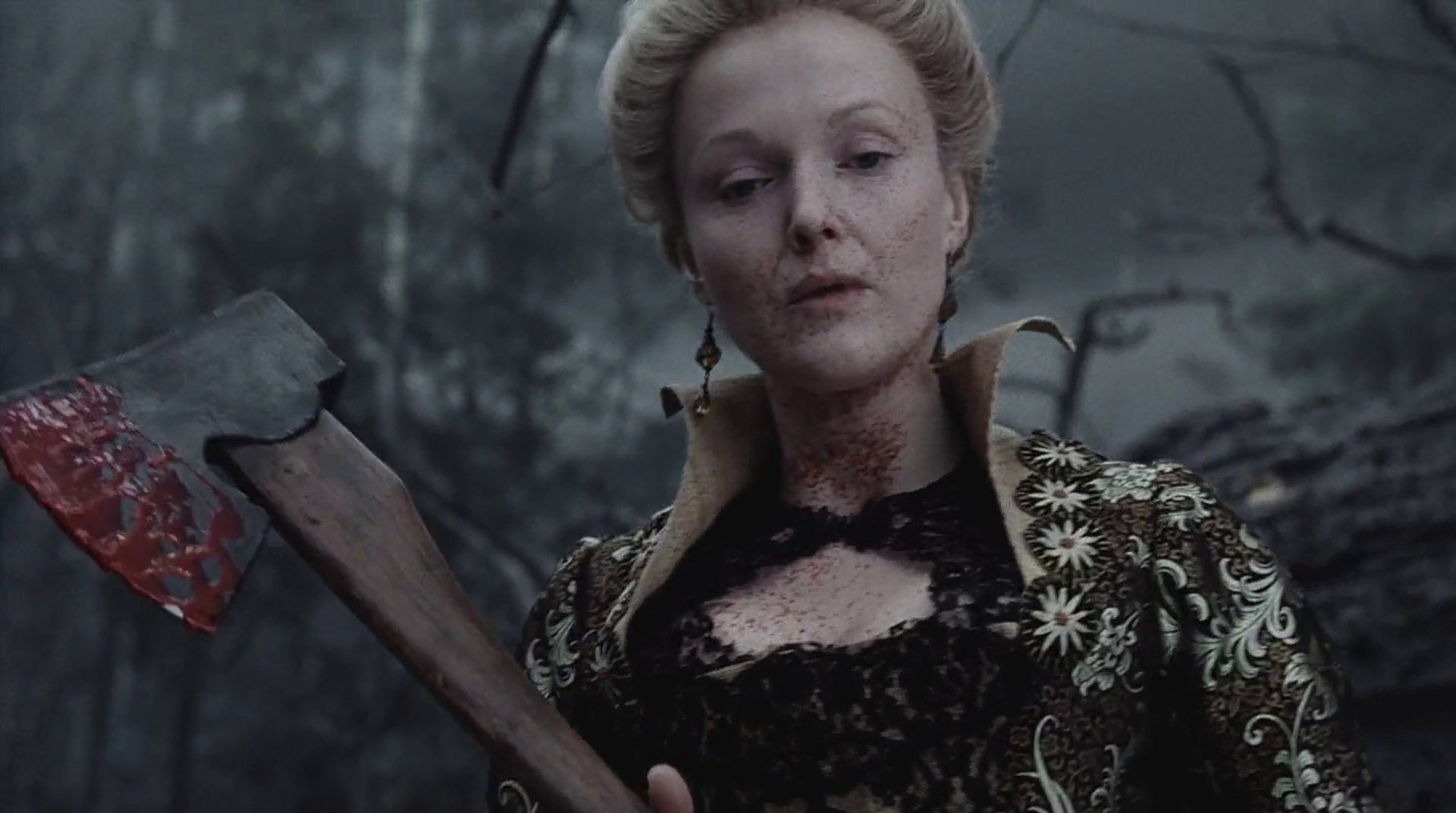
| Miranda Richardson | Lady Van Tassel |
| Michael Gambon | Baltus Van Tassel |
| Ray Park | Stunt performer for the Headless Horseman |
What Is Sleepy Hollow About?
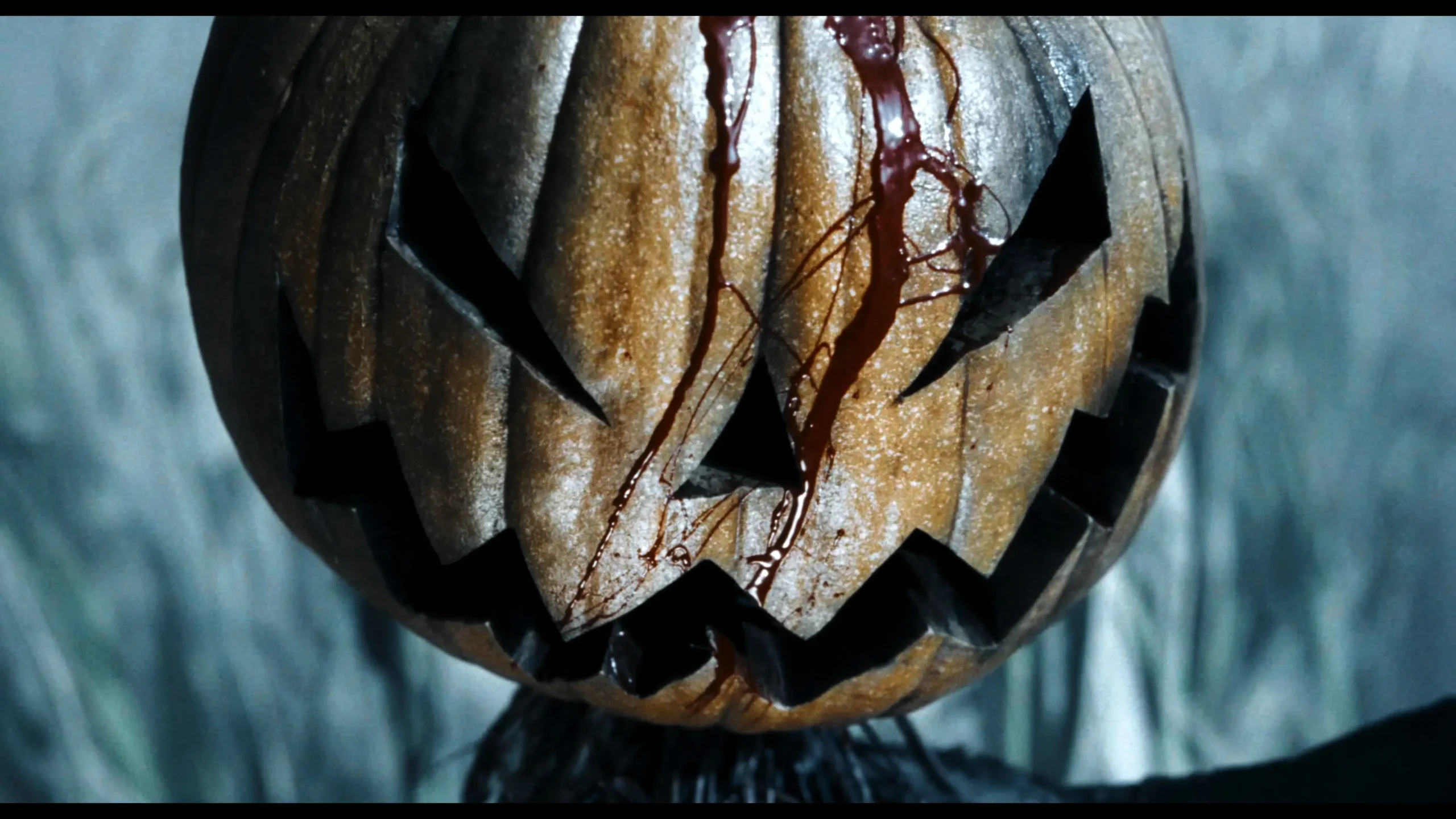
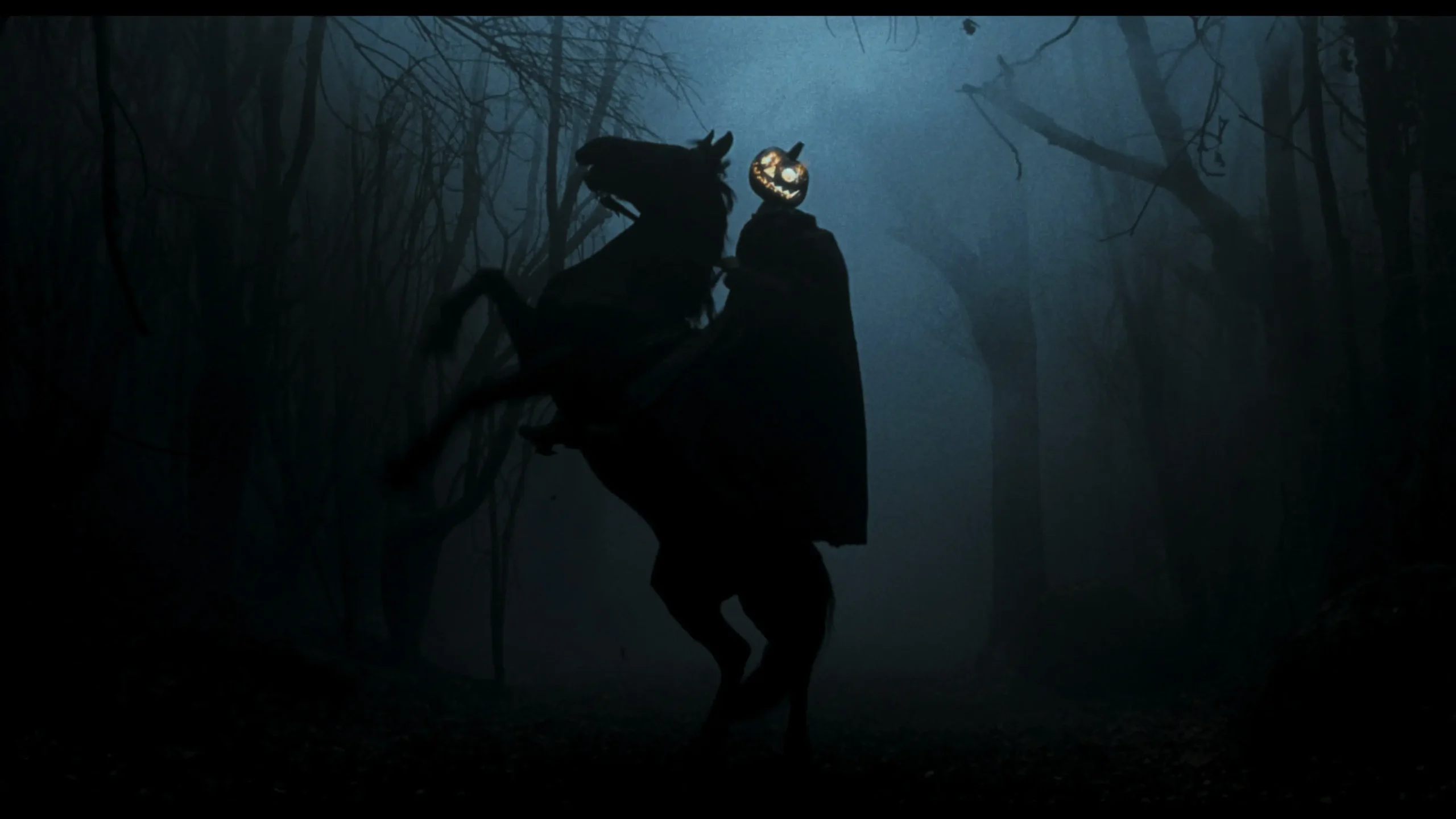
Ichabod Crane is sent from New York City to the small, isolated town of Sleepy Hollow to investigate a string of brutal decapitations. Three people are already dead, their heads taken, and the townspeople have a very clear and very supernatural explanation ready for him: the Headless Horseman, a legendary apparition risen from the local burial ground, is responsible.
Crane, a man of forensic science rather than superstition, refuses to accept the supernatural explanation at face value. He wants evidence. He wants method. He wants to advance the field of forensic investigation rather than just accepting local ghost stories as fact.
Naturally, the deeper Crane digs into Sleepy Hollow’s secrets, the more entangled he becomes in both the supernatural horror terrorizing the town and the very human conspiracy operating underneath it. What follows is one of Tim Burton’s most tonally distinctive films — equal parts Gothic horror, mystery procedural, dark comedy, and genuine splatter film, somehow all cohering into a single, remarkably well-balanced whole.
Sleepy Hollow Review: Why This Film Is Genuinely Underrated
I want to start with a direct claim: I do not think Sleepy Hollow gets the credit it deserves. It was a hit when it was released in 1999, one of the greatest years in cinema history, worth saying outright, and it is generally well-liked. But “well-liked” undersells what this film actually achieves. Rewatching it as an adult, with full appreciation for craft rather than just childhood excitement, I came away thinking this is genuinely one of Tim Burton’s best films, full stop.
The Visuals Are a Feast
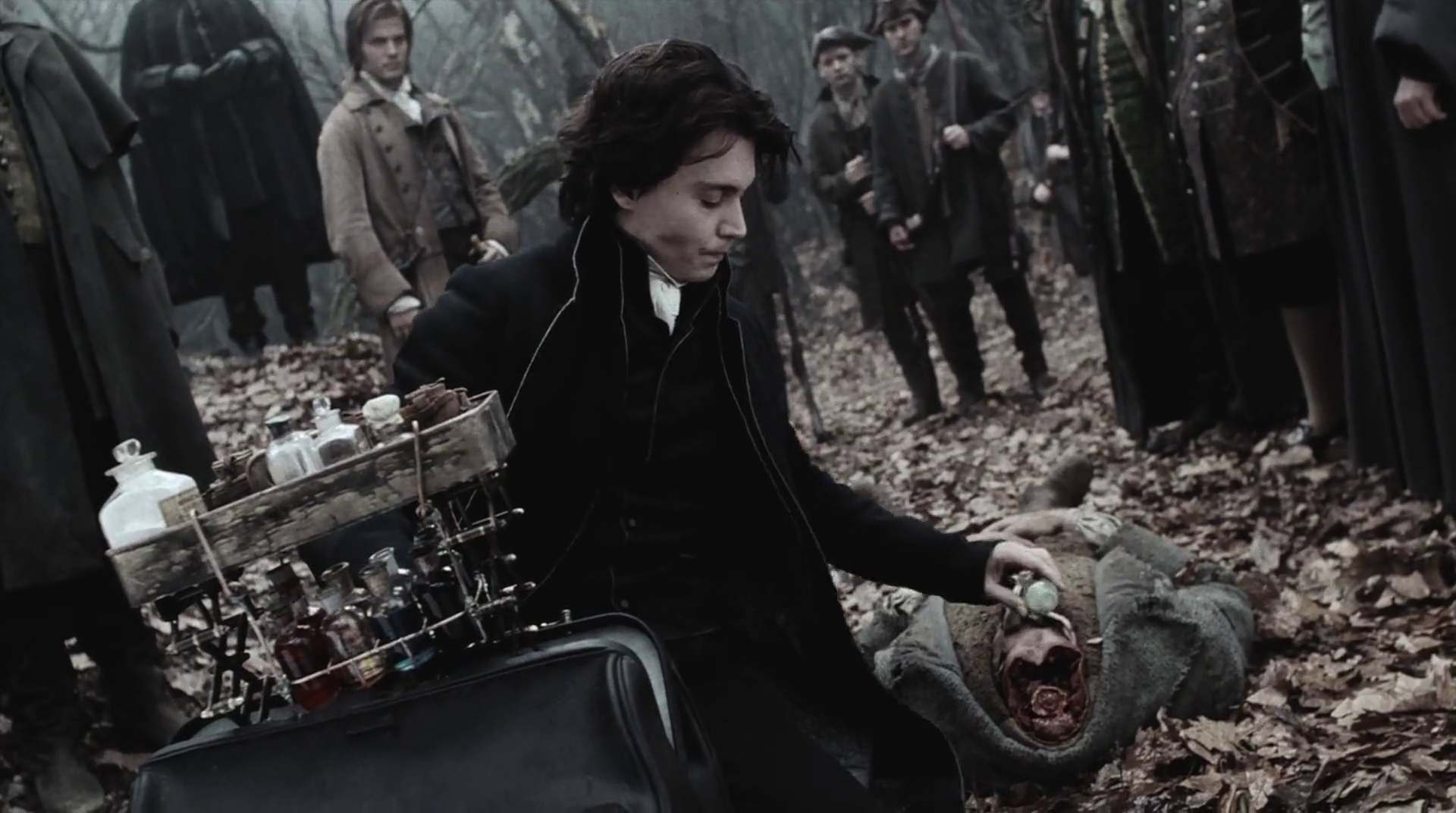
Every single frame of Sleepy Hollow is doing something. The production design and costume work are extraordinary the kind of total aesthetic commitment that defines Burton’s best work, where every object in frame feels specifically chosen rather than generically dressed. The cinematography is gorgeous, saturated with that specific Burton gothic palette of desaturated blues, greys, and the occasional shock of deep red blood against it all.
This is a film that rewards paying close attention to its imagery. The sequence of severed heads nestled inside the hollow of the tree where the Horseman emerges is a genuinely unforgettable piece of visual horror. The Horseman launching out of that tree on horseback is one of the most iconic images Burton has ever put to film. There is an abundance of shots in this movie that are simply iconic in isolation, independent of the story around them.
“Heads Will Roll” — And They Deliver
The original marketing tagline for this film was “Heads will roll,” and I remember, as an eleven-year-old seeing the poster, being simultaneously terrified and desperate to see it. I was right to be both. This movie absolutely delivers on that promise, and the way it delivers is the genuinely impressive part.
Most films handling dismemberment cut away from the moment itself: you get a prosthetic head rolling into frame, or a reaction shot, or something clearly staged to avoid showing the actual mechanics of the violence. Sleepy Hollow does not do that nearly as often as you would expect from a mainstream 1999 film.
It blends the actor’s performance, practical prosthetics, and era-appropriate digital transition work together seamlessly enough that you are frequently looking at a shot that genuinely appears to show someone’s head being removed from their body in real time. For a film approaching three decades old, that effects work holds up remarkably well. It does not look dated in the way a lot of late-90s digital work does. It looks deliberate and carefully crafted.
Danny Elfman’s Score
Danny Elfman’s work on this film is outstanding, and I say that as someone who has returned to this score repeatedly over the years, including while writing. Elfman has a gift for elevating whatever material he is given, and Sleepy Hollow already had strong material to work with, but his signature gothic, sweeping, slightly mischievous style is exactly the right fit for this specific blend of horror and dark comedy. The score does real narrative work throughout the film, carrying tonal shifts that the visuals and dialogue alone could not manage as gracefully.
The Tonal Balance Is Genuinely Remarkable
This is the thing that struck me most on rewatch: Sleepy Hollow has a wildly erratic tone on paper, and somehow it works beautifully in practice. This is a film with extremely dark material: things happen to children in this movie that are genuinely disturbing, there is a suggestion during an autopsy sequence that is quite unsettling, and the overall body count and gore level is significant.
And yet, in the very same film, you have Johnny Depp’s Ichabod Crane fainting at the sight of blood, being comically terrified of spiders, stumbling through pratfalls, delivering dry jokes in the middle of investigations. The tonal whiplash should not work. Burton and screenwriter Andrew Kevin Walker pull it off anyway, moving from genuine comedy to genuine horror scene to scene without either register undercutting the other.
There is a small exchange early in the film: a character telling Crane he moved a body, Crane responding that you must never move a body, the character asking why, and Crane simply responding “because” that exemplifies the film’s comedic instincts perfectly. The joke lands because the film trusts a modern audience to already understand why crime scene preservation matters, and finds it funnier to let Crane simply not bother explaining himself to people who clearly would not care anyway. That is sharp, confident comedic writing, buried inside what is ostensibly a horror film.
Johnny Depp’s Ichabod Crane
Depp’s performance here is a genuinely clever characterization choice. Crane is not a conventional horror protagonist; he is bumbling, squeamish, afraid of the dark and afraid of spiders, and afraid of blood despite dedicating his career to forensic science specifically because he wants to professionalize and rationalize the examination of death. That contradiction, a man obsessed with scientific objectivity who cannot handle the physical reality of what that objectivity requires him to look at, gives the character real texture and makes him considerably more interesting than a generic stoic hero would have been.
Christopher Walken as the Headless Horseman
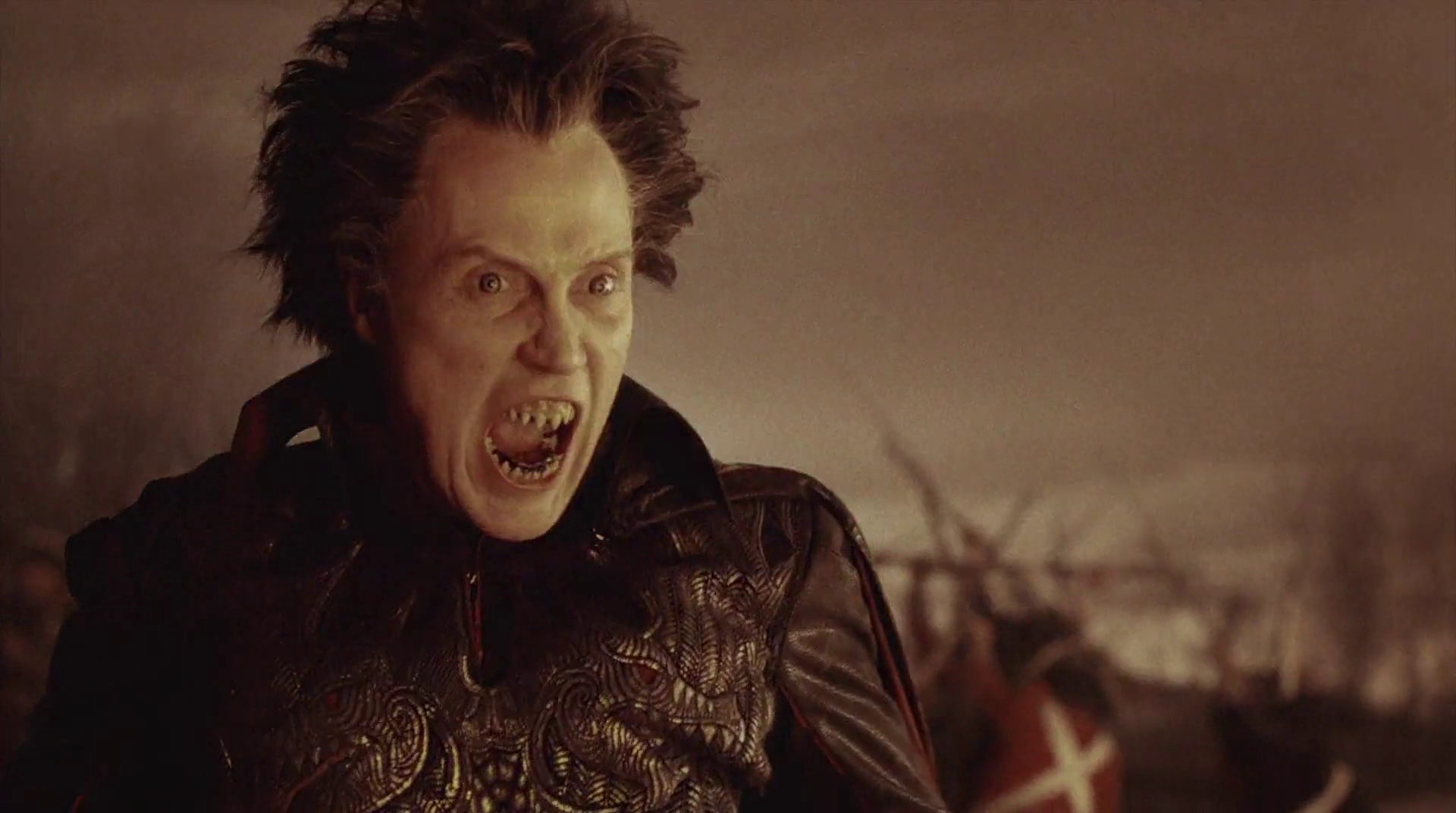
I need to talk about Walken specifically, because this is one of the most purely visually arresting performances in any Tim Burton film, and Walken does it with essentially no dialogue, just grunts, commands to his horse, and presence. Ever since seeing him in Batman Returns, I have thought Walken and Burton should work together as often as Burton and Depp do, because Walken brings something genuinely singular to the screen that very few actors can match.
As the Horseman, before his transformation into the headless apparition, Walken is unsettling in a way that goes beyond the makeup and prosthetics. There is something in his eyes and his physical bearing that makes him feel genuinely dangerous even before the supernatural elements kick in. It is a masterclass in doing an enormous amount with very little dialogue.
The Stunt Work and Action Sequences
Ray Park performed much of the Headless Horseman’s physical stunt work, and 1999 was a genuinely remarkable year for him, the same year he played Darth Maul in The Phantom Menace. His work here is excellent. The Horseman functions almost like a slasher-genre T-1000: shot, stabbed, smashed, burned, and he simply keeps coming, relentless and unstoppable in a way that makes him genuinely frightening even in a film that frequently leans into dark comedy elsewhere.
There is a confrontation between the Horseman and Casper Van Dien’s character that produces one of my favorite on-screen deaths in any film I have watched. Rewatching it recently with friends who had not seen the film in years, the reaction in the room when that moment hit was immediate and audible, the kind of spontaneous, shared “oh my god” that tells you a scene has actually landed, regardless of how many times you have seen it before.
Sleepy Hollow Rating: How It Holds Up Decades Later
Rewatching Sleepy Hollow now, nearly thirty years removed from its original release, is a genuinely illuminating experience. Horror and effects-driven films from this era frequently age poorly; the digital work dates quickly, the pacing can feel slow by contemporary standards, and the tonal choices can feel dated. Sleepy Hollow avoids almost all of these pitfalls.
The blend of practical and digital effects still looks genuinely impressive rather than dated. The pacing moves efficiently through its mystery plot without feeling rushed or padded. The tonal balancing act between horror and comedy, which could easily have aged into something campy or uneven, instead still feels controlled and intentional nearly three decades later.
If anything, I think time has been kinder to this film than its contemporary reputation suggests. It was a hit on release and remains generally well-regarded, but I do not think it is talked about with the reverence that a film this well-crafted deserves. It deserves to be mentioned in the same breath as Burton’s most celebrated work.
Sleepy Hollow and the Real Story Behind the Legend
Sleepy Hollow draws from Washington Irving’s classic 1820 short story “The Legend of Sleepy Hollow,” though Burton’s film takes considerable creative liberty with the source material. Irving’s original tale is a comparatively slight, ambiguous ghost story centered on the hapless schoolteacher Ichabod Crane and his rivalry with Brom Bones over the affections of Katrina Van Tassel, with the Horseman’s existence left genuinely uncertain by the story’s end.
Burton’s film expands this slender source material into a full Gothic horror mystery, giving Crane a forensic investigator’s profession rather than a schoolteacher’s, adding an elaborate supernatural and human conspiracy plot, and committing fully to the Horseman’s reality rather than leaving it ambiguous. The film is best understood as a loose, richly embellished adaptation rather than a faithful retelling, closer to Burton’s own gothic sensibilities grafted onto Irving’s premise than a direct translation of the original text.
Pros and Cons
✓ Pros
- Gorgeous, meticulously crafted production design and cinematography throughout
- Effects work for the decapitation sequences still holds up remarkably well decades later
- Danny Elfman’s score is outstanding and does real narrative work
- Christopher Walken is magnetic as the Headless Horseman with virtually no dialogue
- Johnny Depp’s characterization of Ichabod Crane is genuinely clever and well-executed
- Expertly balances dark horror with genuine comedy without either undercutting the other
- Ray Park’s stunt work as the Horseman is excellent and genuinely unsettling
- Iconic, unforgettable imagery throughout
✗ Cons
- Genuinely dark content involving children may be a surprise for viewers expecting purely comedic horror
- The tonal whiplash, while well-executed, will not work for every viewer’s taste
- Some supporting character arcs are thinner than the film’s visual ambition would suggest
Final Verdict
| Category | Score |
|---|---|
| Direction (Burton) | ★★★★★ |
| Visuals / Production Design | ★★★★★ |
| Effects Work | ★★★★★ |
| Score (Elfman) | ★★★★★ |
| Johnny Depp’s Performance | ★★★★☆ |
| Christopher Walken’s Performance | ★★★★★ |
| Tonal Balance | ★★★★★ |
| Rewatch Value | ★★★★★ |
| Overall | ★★★★½ (4.5/5) |
Sleepy Hollow is one of those films that genuinely improves with age rather than fading. What struck me most on this rewatch is how confidently Burton moves between registers that should not coexist- genuine horror, genuine comedy, genuine romance, genuine gore- and makes the combination feel inevitable rather than chaotic. Christopher Walken’s near-silent performance alone is worth the price of admission. Danny Elfman’s score elevates material that was already strong. And the “heads will roll” promise is delivered on with craft that still holds up against anything contemporary horror is doing with practical and digital effects integration.
This is a film that deserves more credit than it typically gets. Watch it this October. Watch it every October, honestly.
It doesn’t quite carry the weight its title promises, but I had a good time with it, and I’m curious what this director does next. If you’re deciding which movie to watch next, explore our latest reviews of Forgotten Island Review, Unabomber Review, Beware Boiúna Review, Godzilla Minus Zero Review, Digger Review, Verity Review, and Endgame Encore Review.
At NexaFeed, we publish spoiler-free movie reviews, OTT series reviews, ending explained articles, hidden details, and streaming guides covering Disney, Pixar, Marvel, Netflix, Prime Video, Apple TV+, HBO Max, and the biggest theatrical releases from around the world
Frequently Asked Questions
Why is Sleepy Hollow so famous?
Sleepy Hollow is widely known for Tim Burton’s distinctive gothic visual style, its striking decapitation effect sequences (marketed with the tagline “Heads will roll”), Christopher Walken’s nearly wordless performance as the Headless Horseman, and the film’s confident blend of horror and dark comedy, all anchored by Johnny Depp as a forensic investigator confronting a supernatural threat.
Is Sleepy Hollow a good film?
Yes, decisively. Rewatching it decades after release, the film holds up as genuinely excellent craft; the cinematography, effects work, score, and performances all remain impressive. I would argue it is underrated relative to how well-made it actually is. Our rating: 4.5 out of 5.
What is the real story of Sleepy Hollow?
The film is loosely based on Washington Irving’s 1820 short story “The Legend of Sleepy Hollow,” a much lighter ghost story about a schoolteacher named Ichabod Crane and his romantic rivalry with Brom Bones, with the Headless Horseman’s reality left ambiguous by the story’s end. Burton’s film significantly expands and reimagines this source material, turning Crane into a forensic investigator and committing fully to the Horseman as a genuine supernatural threat within an elaborate mystery plot.
How scary is the Sleepy Hollow movie?
It is genuinely dark in places; there are disturbing moments involving children, significant gore, and a general atmosphere of gothic horror throughout. However, the film balances this darkness with consistent comedic elements and a somewhat bumbling protagonist, which tempers the horror for viewers who might otherwise find the content too intense. It is more atmospheric gothic horror with splatter elements than a pure terror-focused film.
Where can I watch Sleepy Hollow?
Sleepy Hollow (1999) is widely available to rent or purchase on major digital platforms and frequently appears on streaming services, particularly around the Halloween season. Check your preferred streaming platform’s current catalog for availability.
Sleepy Hollow (1999) is widely available to rent, buy, or stream. Perfect viewing for spooky season — or any season, honestly.