Leviticus Review: Most modern horror movies are desperate for your attention. They want you jumping every ten minutes. A loud bang. A creepy face in the background. Another fake scare designed for social media clips. The problem is that many of those movies disappear from your memory almost as quickly as they arrive.
Quick Verdict
| Category | Verdict |
|---|---|
| Overall Rating | 3.25/5 |
| Genre | Psychological Horror, Supernatural Horror |
| Scares | Low on jump scares, high on tension |
| Gore | Limited but effective |
| Atmosphere | Excellent |
| Performances | Very Strong |
| Pacing | Slow Burn |
| Best For | Fans of atmospheric horror |
| Not For | Viewers wanting constant action |
| Recommendation | Worth Watching |
Adrian Chiarella’s feature debut, Leviticus, takes a completely different approach.
For a large portion of its runtime, it doesn’t even feel like a horror film. It feels more like a coming-of-age drama trapped inside a nightmare that’s slowly forming around its characters. Instead of chasing easy scares, Chiarella focuses on atmosphere, emotional tension, and the crushing feeling of being trapped in a place that has already decided who you are.
That decision ends up becoming the film’s greatest strength.
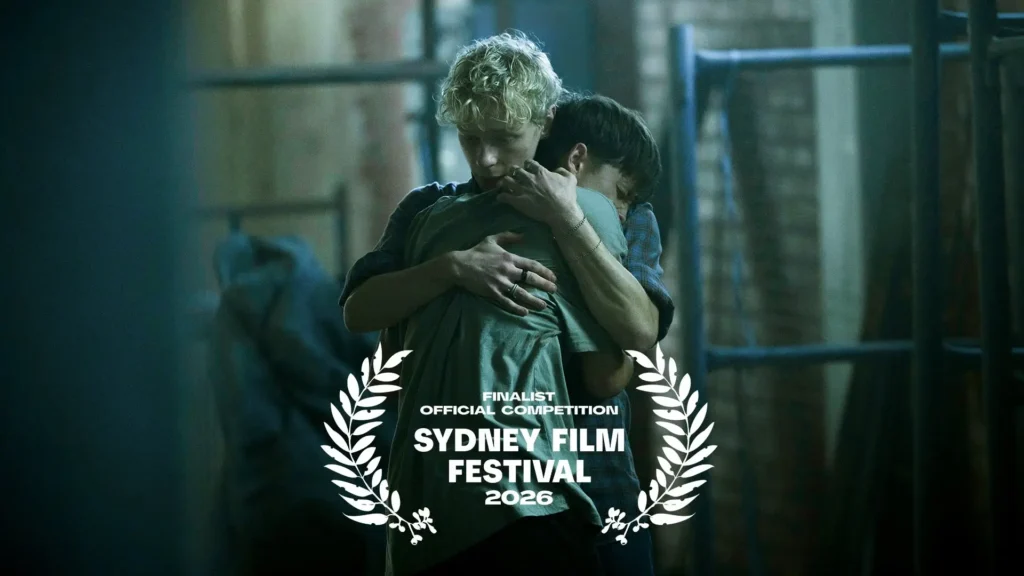
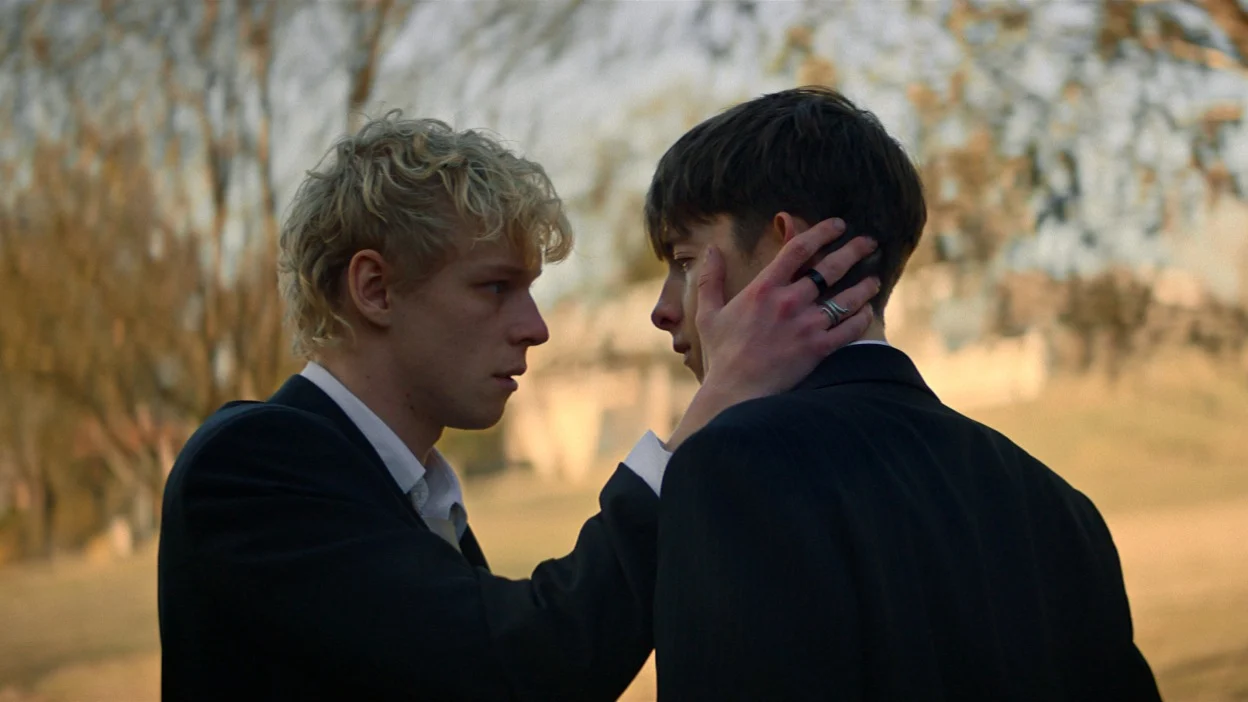
The story follows Naim (Joe Bird) and Ryan (Stacy Clausen), two teenagers living in a deeply conservative Australian town who find themselves falling in love. At first, the film spends time simply observing their relationship. There’s an awkward tenderness to their scenes together, particularly when they’re stealing moments away from prying eyes in abandoned industrial spaces that have become their refuge from the world around them.
But that refuge doesn’t last.
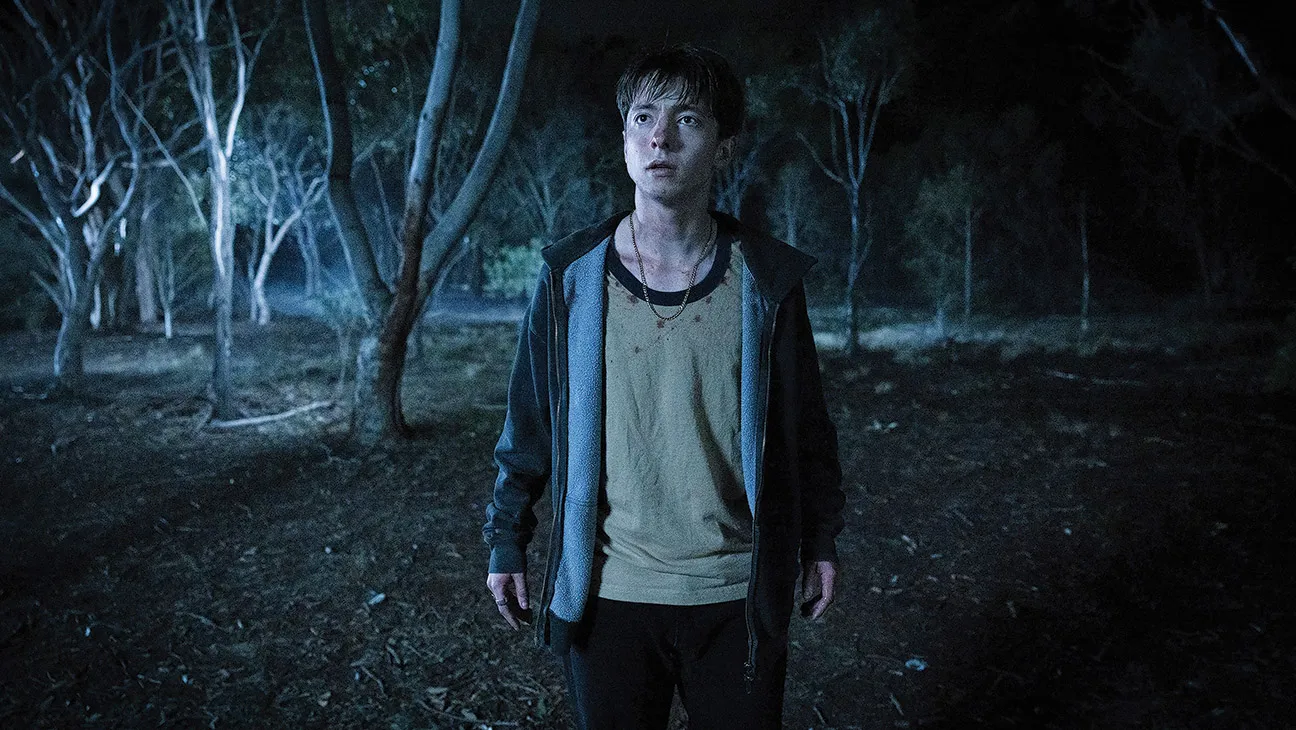
As their relationship becomes harder to hide, the boys find themselves facing increasing hostility from the religious community that surrounds them. Friends become distant. Family relationships begin to fracture. Every interaction carries the sense that someone is watching, judging, or waiting for them to fail.
The horror truly begins when the community subjects the boys to a violent deliverance ritual intended to purge them of what the church views as sinful desires.
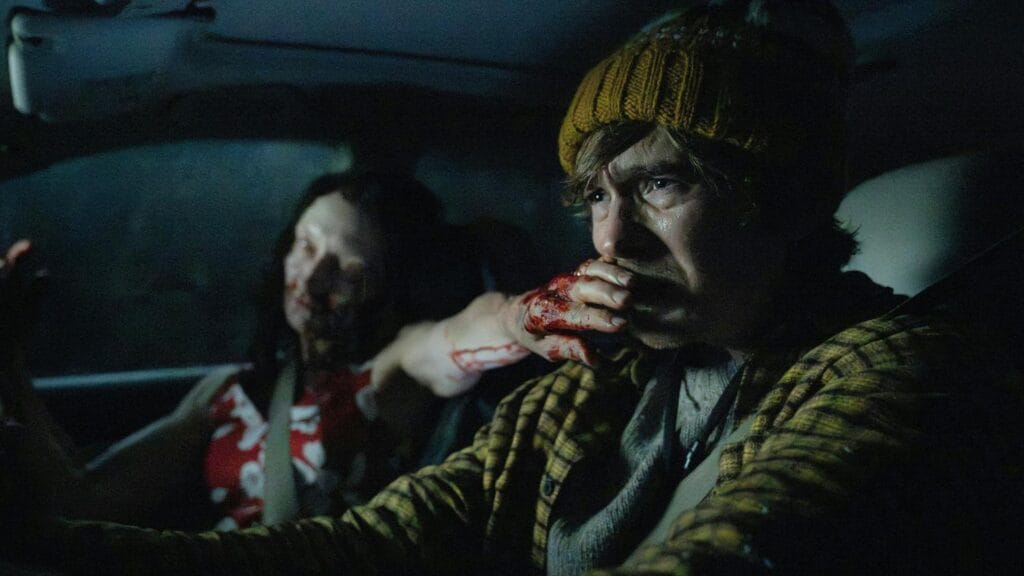
It’s here that Leviticus transforms. The ritual unleashes something far worse than the people performing it. A shape-shifting entity begins stalking the boys, taking the form of the person each desires most.
It’s a brilliant concept because it weaponizes intimacy. Most horror movies ask whether you can survive the monster. Leviticus asks whether you can trust the person standing in front of you when they look exactly like the person you love. That uncertainty fuels almost every scene that follows.
Joe Bird continues to prove why he’s one of the most interesting young actors working in Australian horror right now. Anyone who remembers his unforgettable possession sequence in Talk to Me already knows how effective he can be at conveying emotional turmoil without relying on dramatic outbursts.
He’s even better here. Bird gives Naim a quiet vulnerability that makes the character feel painfully real. Much of the performance happens behind his eyes. You can see the fear, confusion, and exhaustion building long before he ever speaks about it. Stacy Clausen matches him scene for scene.
The chemistry between the two actors is essential because the film lives or dies based on whether audiences believe their connection. Thankfully, they make that relationship feel authentic enough that the emotional stakes remain compelling even during the film’s slowest stretches. And make no mistake, Leviticus is absolutely a slow burn.
Viewers expecting constant scares or nonstop supernatural encounters may struggle with the pacing. Chiarella is far more interested in building dread than delivering instant gratification. There are long stretches where the film simply sits with its characters and allows the atmosphere to do the heavy lifting.
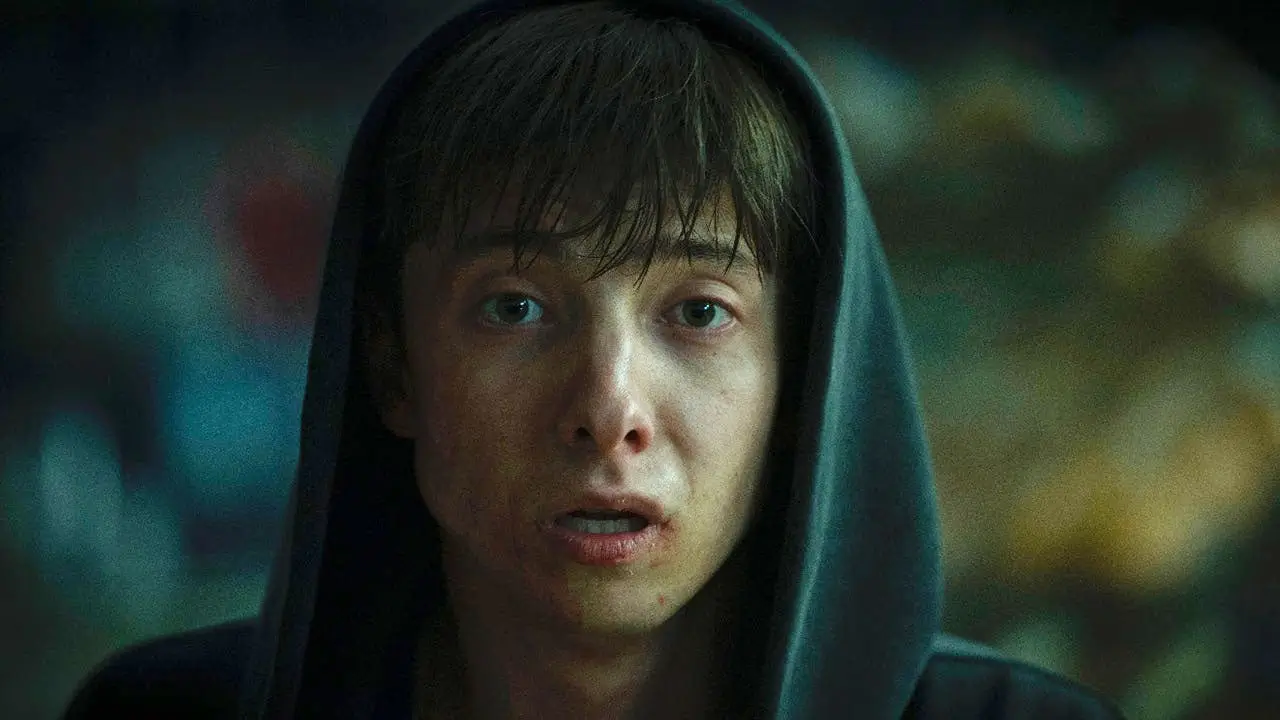
Normally, that approach can be risky. Here, it largely works because the setting itself feels oppressive. Shot in parts of Victoria, including Geelong and Ballarat, the town feels frozen in time. The industrial architecture, aging homes, empty streets, and muted color palette create an environment that feels emotionally exhausted before the supernatural elements even arrive.
Some horror films create monsters. Leviticus creates a mood. And honestly, the mood is often scarier than the creature itself.
What stayed with me after the credits rolled wasn’t necessarily the entity or the violence. It was the feeling of isolation that hung over every frame. The sense that these characters are fighting a battle they were never allowed to win. The supernatural horror works because it’s attached to something painfully human: the fear of rejection from the people who are supposed to care about you.
That’s what gives the film its emotional weight.
The ending will likely divide audiences. Chiarella leaves several questions unanswered and resists delivering the kind of clean, twist-heavy finale that many modern horror films chase. Personally, I appreciated that restraint. The ambiguity feels consistent with the story the film is telling, even if some viewers may leave wanting more concrete answers.
Leviticus isn’t the scariest horror movie you’ll see this year. It isn’t the bloodiest either. What it is, however, is one of the most emotionally unsettling.
It’s a horror film built on loneliness, faith, desire, and the terrible consequences of forcing people to deny who they are. Combined with strong performances, an oppressive atmosphere, and a genuinely clever supernatural premise, it becomes a film that’s difficult to shake once it’s over.
| What Works | What Doesn’t Work |
|---|---|
| Excellent atmosphere that creates constant unease | Very slow pacing may test some viewers’ patience |
| Strong lead performances from Joe Bird and Stacy Clausen | Horror fans seeking frequent scares may be disappointed |
| Thought-provoking themes with emotional depth | Limited gore compared to more mainstream horror films |
| Effective psychological horror that lingers after the credits | Certain plot elements remain intentionally vague |
| Unique supernatural concept built around desire and identity | |
| Memorable setting that enhances the film’s oppressive mood | |
| Smart use of ambiguity that encourages discussion |
Rating: 3.25/5
Leviticus won’t satisfy viewers looking for jump scares every few minutes, but if you appreciate psychological horror that prioritizes mood, character, and emotional depth, it’s well worth your time.
The question I kept thinking about after the film ended wasn’t whether the monster was real. It was whether the people around Naim and Ryan were any less frightening.