
Critics Choice Awards 2026: I’ve followed awards season long enough to know the difference between a movie that’s winning and a movie that’s taking over. At the 2026 Critics Choice Awards, One Battle After Another did the latter.
This wasn’t a night of polite recognition. It was a statement. Best Picture, Best Director, Best Adapted Screenplay, plus a clear sense that critics have aligned behind Paul Thomas Anderson’s latest in a way that rarely happens this early and this decisively.
If you’re tracking the Oscar race seriously, this is the moment where things snap into focus.
Why the Critics Choice Win Actually Matters
The Critics Choice Awards are voted on by entertainment journalists, people who watch hundreds of films a year, cover festivals, talk to filmmakers, and understand how movies are made. That doesn’t make them infallible, but it does make their consensus meaningful.
When critics rally this hard behind one film, it usually means two things:
- The movie holds up on repeat viewing
- It works both emotionally and technically
One Battle After Another checks both boxes.
Winning Best Picture and Best Director together is especially important. That pairing often signals broad support across branches, not just admiration for one standout element.
Paul Thomas Anderson’s Strongest Awards Position Yet
PTA has always been respected. What’s different this time is momentum.
With Best Director and Best Adapted Screenplay wins, One Battle After Another isn’t just admired, it’s being positioned as the year’s defining film. Critics are responding to its structure, its ambition, and its control, which tends to translate well to Academy voters later on.
From an awards-history standpoint, this is exactly how eventual Best Picture winners start to separate themselves.

The Best Actor Race Just Got Interesting
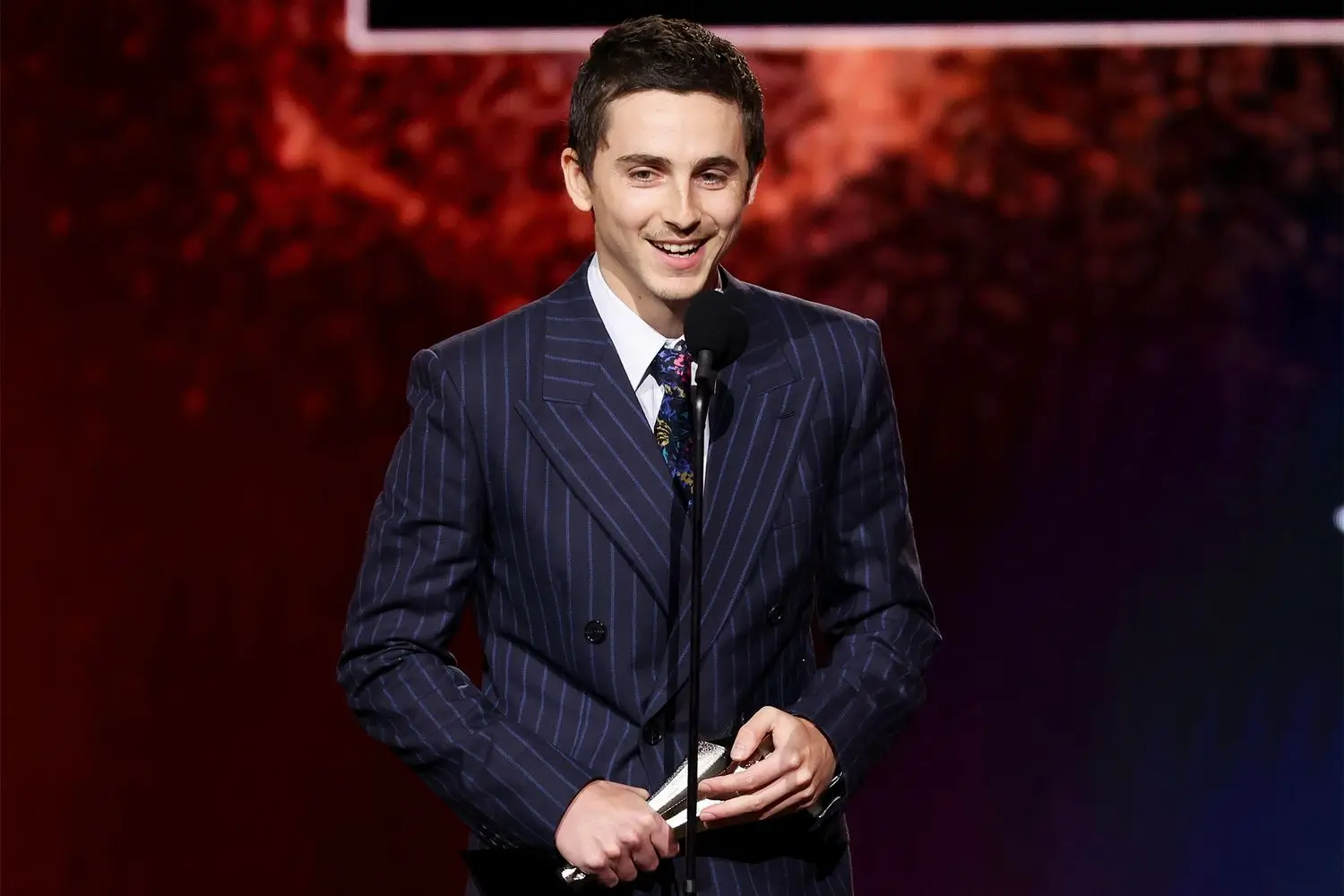
Leonardo DiCaprio losing Best Actor raised eyebrows, but Timothée Chalamet’s win for Marty Supreme wasn’t random.
Critics tend to reward performances that feel risky and transformative, especially when an actor breaks away from familiar territory. Chalamet’s performance clearly struck that nerve.
This win doesn’t eliminate DiCaprio from the Oscar conversation, but it does signal that this category may be far less locked than people assumed.
Supporting Wins That Reflect Real Critical Taste
Two of the night’s most telling wins came in the supporting categories:
- Jacob Elordi – Frankenstein
- Amy Madigan – Weapons
Both performances are exactly the kind critics gravitate toward: textured, slightly unexpected, and essential to their films rather than decorative.
Elordi’s win, in particular, marks a turning point in how the industry is viewing him. This wasn’t hype. This was recognition.
Also Read: Top 5 TV Shows Like Stranger Things That Will Keep You Awake All Night
Studios With Real Momentum
From an industry perspective, Warner Bros. and Netflix came out of the night looking extremely strong.
Warner Bros. backed its Best Picture win with additional awards for Sinners, including Original Screenplay, Casting, Ensemble, and Best Score. That kind of spread suggests depth, not just one standout title.
Netflix, meanwhile, dominated technical and animation categories. KPop Demon Hunters winning Best Animated Feature and Best Song reinforces the platform’s growing influence outside prestige drama.
These wins matter because campaigns don’t run on buzz alone—they run on consistency.
Craft Categories That Shape the Oscar Narrative
Some of the most telling awards came from below-the-line categories:
- F1 winning Best Editing and Best Sound points to strong technical respect
- Train Dreams winning Best Cinematography shows critics rewarding visual storytelling over scale
- Avatar: Fire and Ash, taking Visual Effects, was expected, but still crucial for its Oscar path
These categories often predict how Academy branches will vote later. Critics don’t just vote emotionally; they vote with craft awareness.
Television: Familiar Wins, Solid Reasons
The TV categories largely mirrored recent Emmy trends, which isn’t surprising, and honestly, isn’t a bad thing.
- The Pitt dominated drama
- The Studio swept comedy
- Adolescence ruled the limited series
These shows won because they’ve been consistent, well-made, and widely watched. Rhea Seehorn’s win for Pluribus stood out as a reminder that critics still value layered, long-form performances over sheer popularity.
What This Means Going Forward
The Critics Choice Awards don’t decide the Oscars, but they often identify the film everyone else starts chasing. Right now, One Battle After Another isn’t chasing anything.
It has:
- Major above-the-line wins
- Strong studio backing
- Broad critical consensus
That combination is rare. And when it happens, it usually leads somewhere familiar on Oscar night.
There’s still time for curveballs. There always are. But as of now, this race has a center of gravity, and One Battle After Another is sitting right in it.