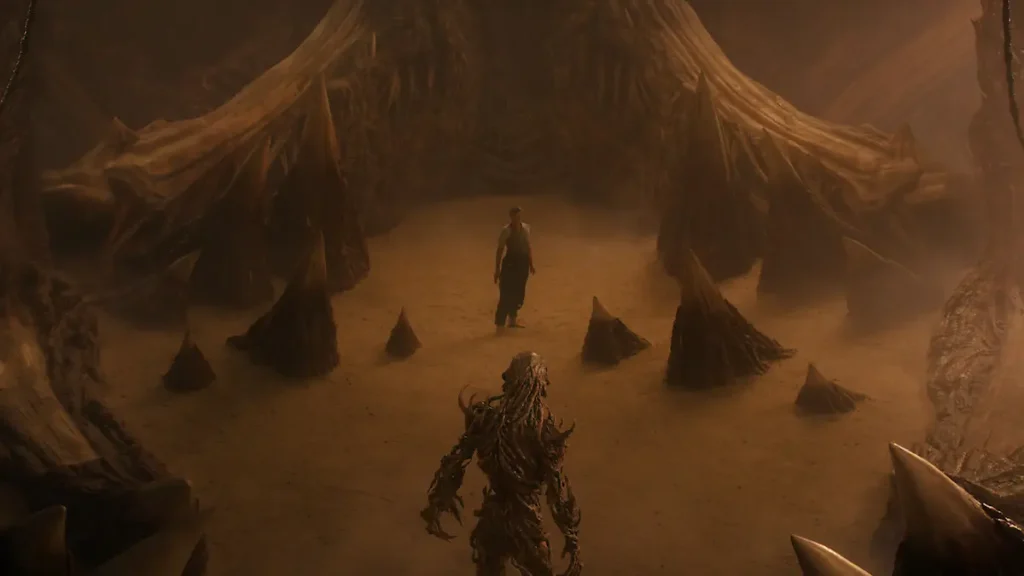
Stranger Things Season 5 Finale Ending Explained: I don’t think one watch is enough for the Stranger Things Season 5 finale. Honestly, I’m not even sure two is enough.
Episode 8, titled “The Right Side Up,” is packed to the point where it almost feels unfair. Big reveals, long-running theories confirmed, emotional payoffs, and just enough unanswered questions to mess with your head after the credits roll. It’s messy in places, rushed in others, but also kind of beautiful in the way only Stranger Things can be.
Let’s break down what the finale actually tells us, and what it quietly leaves open.
Why “The Right Side Up” Title Actually Matters
On the surface, the title sounds simple: the normal world versus the Upside Down. But the more you think about it, the more ironic it gets.
Visually, the Upside Down often sits above Hawkins in the show’s framing, which technically makes the normal world the “upside down” one. That idea feeds directly into the finale’s biggest theme: perspective.
Depending on who you’re listening to—Vecna, Will, Eleven, or the Mind Flayer itself—there is no single “right” dimension. That matters a lot once the truth about the Mind Flayer finally comes out.
The Mind Flayer Was the Real Villain All Along (Yes, Really)
The finale pretty much confirms the biggest long-running theory: Vecna was never fully in control. Henry Creel didn’t just “become evil.” He was manipulated from childhood.
The Mind Flayer entered him when he was young, literally inside his body as organic particles. That’s when the powers started. That’s also why black smoke leaves people when they’re disconnected from the Upside Down machinery. The Mind Flayer doesn’t just control things from afar. It infects them.
What really hit me was how clearly the show frames Vecna as someone who was attacked from both sides:
- The Mind Flayer is manipulating his fear and memories
- Dr. Brenner is abusing him and experimenting on him
That combination explains why Henry broke the way he did. It doesn’t excuse his actions; he’s done too much damage for that, but it gives them a tragic context.
This is also where the First Shadow stage play becomes a problem. A lot of this backstory comes from there, and most fans never saw it. The finale gives us a condensed version, but yeah, this is probably going to be one of Season 5’s biggest criticisms.
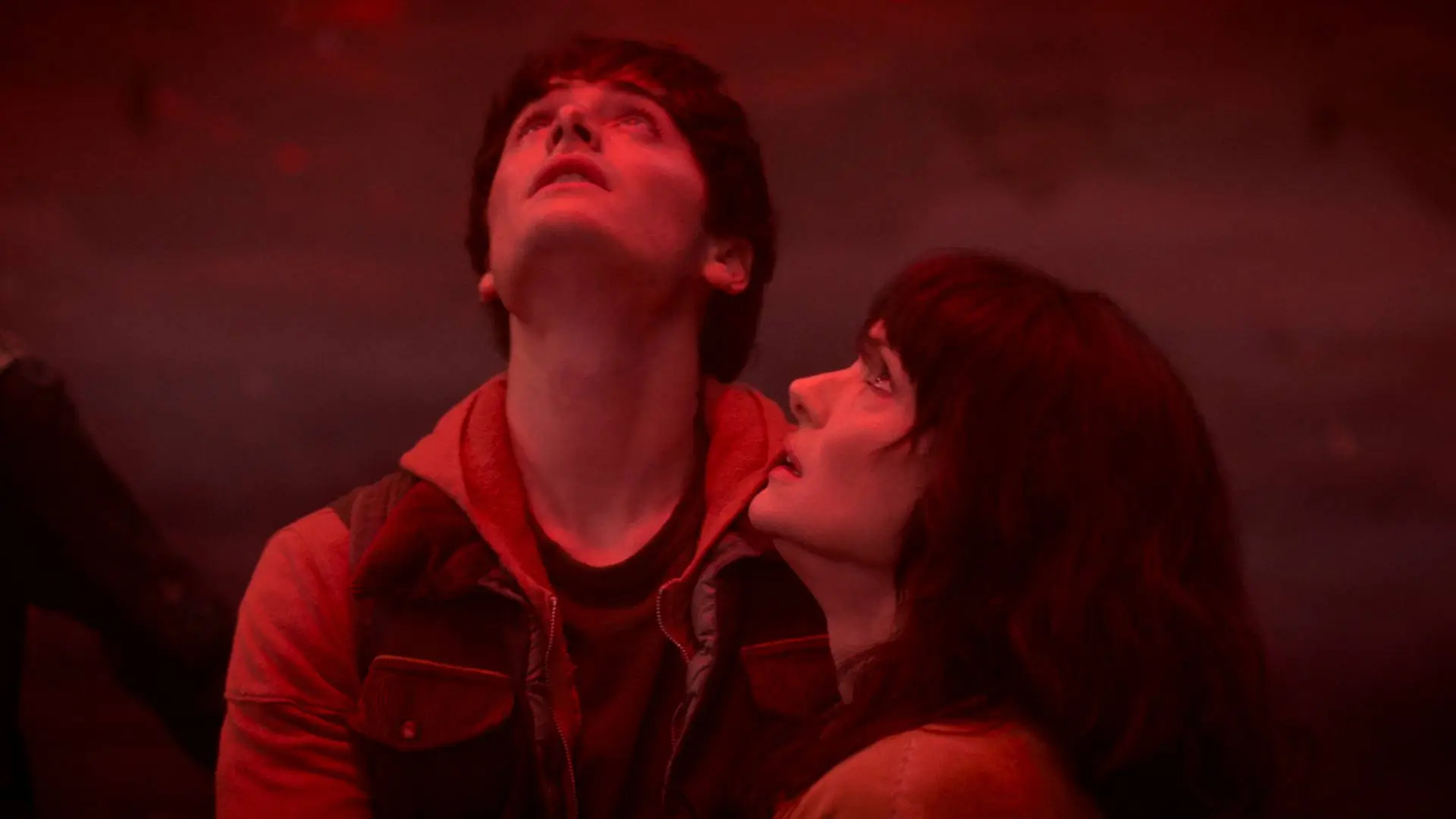
The Flesh Castle Is the Mind Flayer’s Real Body
That giant organic structure? That wasn’t just scenery.
The finale confirms that the Flesh Castle is the physical body of the Mind Flayer. The cloud form is its natural state, but the castle is its anchor in the Upside Down. When it rises and takes on that spider shape, it connects all the way back to Henry’s childhood obsession with spiders.
That detail clicked hard for me. It retroactively explains so much, especially why Henry was drawing spiders long before he ever became Vecna.
Vecna’s Death—and Why Joyce Is the One Who Ends Him
One of the most surprising choices in the finale is who actually kills Vecna. Not Eleven. Not Will. Not some epic power blast. It’s Joyce. And it’s brutal. It takes time. It’s painful. It’s personal. And it feels earned. Joyce has been fighting this nightmare since Season 1, long before anyone even understood what was happening.
Letting her deliver the final blow feels like the show quietly saying, this started with her, so it ends with her. When Vecna dies, the Mind Flayer starts dying too. That tells us something important: the Mind Flayer needed Henry to survive. It was parasitic. Without its host, it collapses. Or does it?
The Big Question: Is the Mind Flayer Still Inside Eleven?
Here’s the detail that won’t leave my head. Henry only got powers after the Mind Flayer entered him. Eleven got her powers through Henry’s blood. So… does that mean part of the Mind Flayer is still inside Eleven?
We never see black smoke leave her body. The show doesn’t answer this outright, and that feels intentional. Eleven survives, and she still seems to have powers.
If that’s true, the Mind Flayer may not be completely gone, just dormant. Let me know what you think, because this feels like the one thread that could lead directly into a future spin-off.
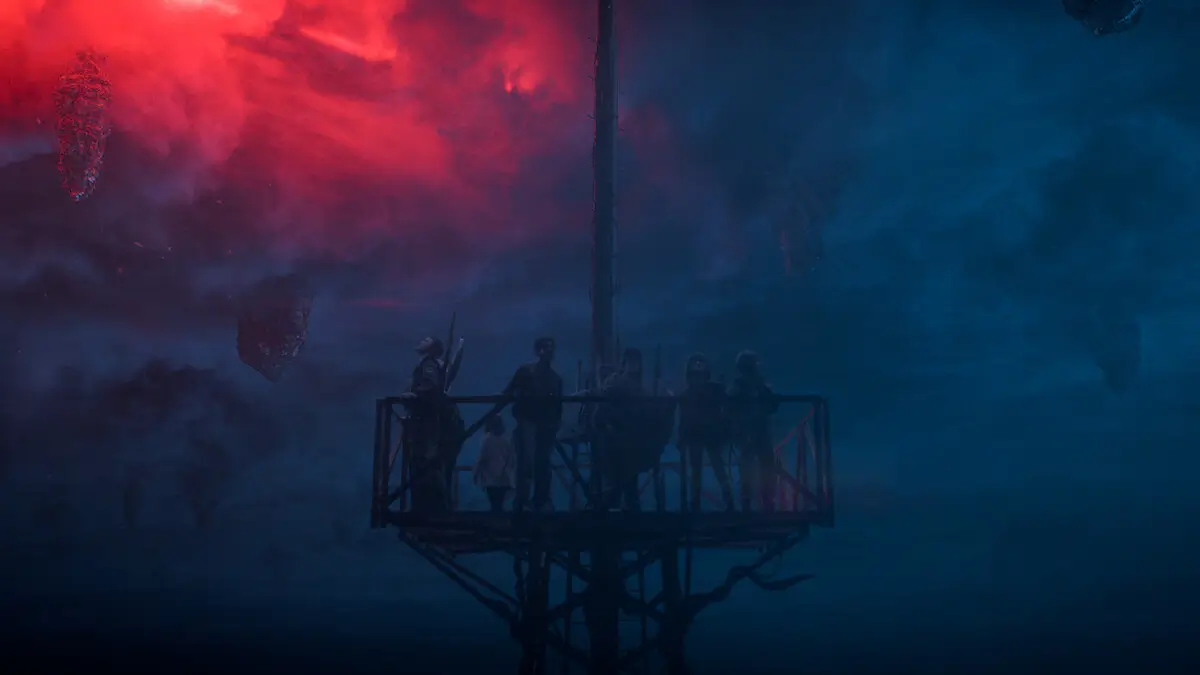
Kali’s Death, Her Redemption, and Eleven’s Survival
Kali’s arc surprised me the most. She doesn’t betray the group. She dies saving Eleven. And her final act is pure mercy. Kali casts one last illusion—making the world believe Eleven died in the Upside Down. Even the military buys it. That illusion gives Eleven something she’s never had before: a chance to live normally.
And yes, the show straight-up tells us she survives. The heartbeat after the cut to black isn’t subtle. Neither is the final reveal of her living in what looks like a quiet Nordic town in the far north. The question isn’t if she’s alive. It’s whether she’ll ever come back.
The 18-Month Time Jump and the 1989 Epilogue
The finale jumps ahead to 1989, and it works better than I expected. Graduations. New paths. Old friendships are still intact. Some highlights that stood out to me:
- Dustin as valedictorian, turning his speech into a D&D metaphor
- Steve is staying in Hawkins, coaching baseball, teaching sex ed, and somehow becoming the town’s most responsible adult
- Nancy is dropping college plans to become a real reporter
- Jonathan is studying filmmaking and pulling the group together again
- Hopper and Joyce are finally getting engaged
Nothing here screams spin-off bait, which lines up with what the Duffer Brothers said. The future stories won’t be about these characters—at least not directly.
Eleven’s Final Scene and Mike’s Book
Eleven ends the series far away, alive, and hidden. She’s found the place Mike once described to her—a quiet, peaceful escape. That moment hit harder than any big action scene for me.
Meanwhile, Mike’s path feels symbolic. He becomes a writer, turning their experiences into stories, clearly inspired by Stephen King. The truth about Eleven stays buried, protected. It’s not a fairytale ending. It’s a human one.
Also Read: Stranger Things Finale Review: An Emotional Masterpiece… With One Big Problem
The Final D&D Game and Passing the Torch
The last scene mirrors the very first episode of the series: a Dungeons & Dragons game. Only this time, it’s Holly Wheeler and a new group of kids taking over.
That’s the real ending of Stranger Things. Not the monsters, not the portals, but the idea that stories, friendships, and imagination keep going. Different players. Same game.
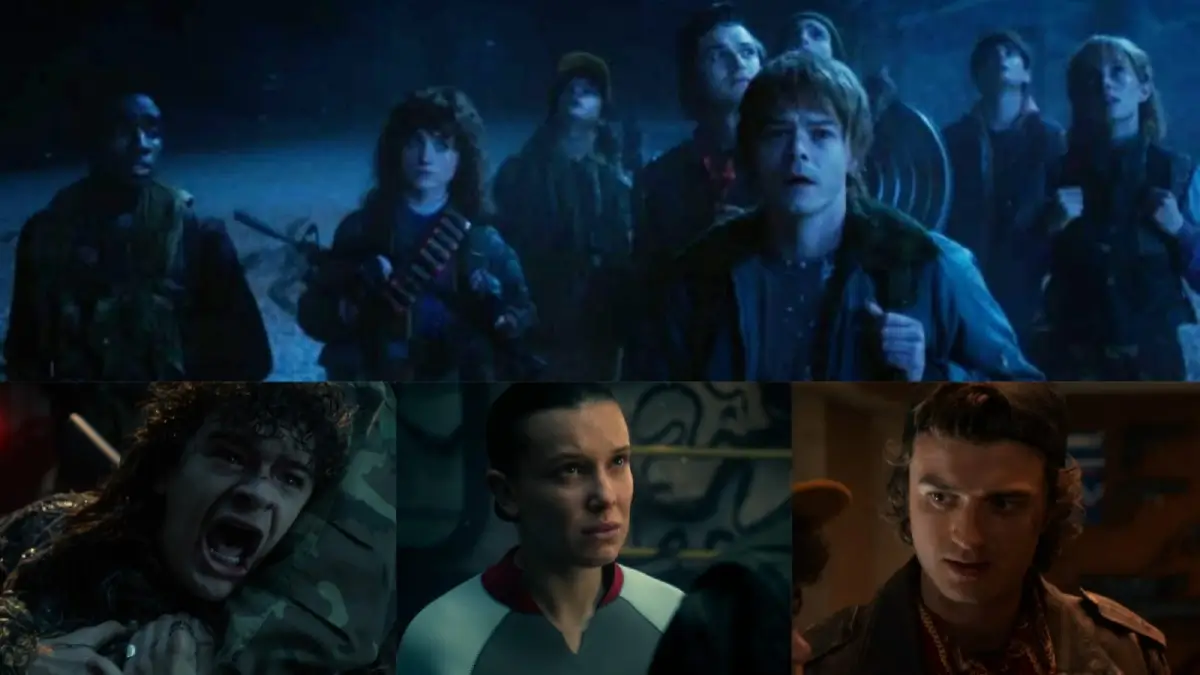
Final Thoughts On Stranger Things: Was the Ending Satisfying?
Short answer? Mostly. Did it need more time? Absolutely. Did some arcs feel rushed? Yes. Did it land emotionally? For me, it did. Stranger Things didn’t end by trying to outdo itself.
It ended by circling back to what it was always about: kids, friendship, fear, imagination, and growing up with scars you don’t hide anymore. Now I want to hear from you. Did the finale work for you? Or do you wish they’d taken another six hours to finish it properly?