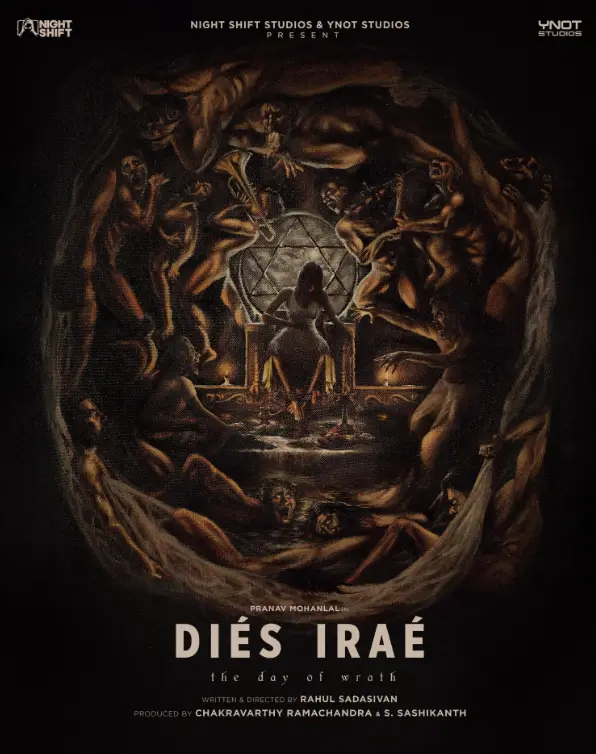
Dies Irae Review: When a director like Rahul Sadasivan drops a new horror film, expectations run high. After Bhoothakaalam and Bramayugam, I was curious, maybe even a little excited, to see what he’d pull off next with Dies Irae, starring Pranav Mohanlal. I watched it on release day, and here’s my honest take, straight from someone who sat through it in a packed theater full of screaming kids and still tried to focus on the horror unfolding onscreen.
My Rating: 4.0/5
| Title | Dies Irae |
|---|---|
| Language | Malayalam |
| Genre | Horror, Mystery, Psychological Thriller |
| Release Date | October 31, 2025 |
| Director | Rahul Sadasivan |
| Writer | Rahul Sadasivan |
| Main Cast | Pranav Mohanlal, Shebin Benson, Srinda, Renji Panicker |
| Runtime | Approx. 2 hours 10 minutes |
| Country | India |
| Notable Connection | References to Bhoothakaalam and Bramayugam Universe |
The Setup: A Horror Director Who Doesn’t Repeat Himself
Rahul Sadasivan has carved out his own lane in Indian horror.
Bhoothakaalam was psychological and haunting, Bramayugam was dark and mythic, and now Dies Irae, a film that leans more into mystery, dread, and eerie symbolism.
Here’s the thing: even though all three belong to the same “horror” zone, each feels different in tone and texture. Dies Irae might not hit the emotional depth of Bhoothakaalam, but it’s definitely the most technically polished of the three.
What Works: Story and Screenplay
The story takes its time to build tension. For the first half, it feels like a regular haunted-house setup, quiet family moments, strange noises, and some familiar beats. But then comes the interval twist, and the entire narrative flips.
That moment, the one just before the screen fades to black, is pure shock value. You don’t see it coming. The second half turns more psychological and layered, forcing you to question what’s real and what isn’t.
I liked that the film doesn’t rely on cheap jump scares or loud noises. The horror grows naturally out of silence and atmosphere. It’s not your typical “boo!” kind of scary; it’s the kind that slowly crawls under your skin.
And credit where it’s due, the screenplay moves fast. There’s no dragging or forced exposition. The pacing is tighter than Bramayugam and keeps you engaged right till the end.
Where It Falters: The Ending and Emotional Punch
The film loses a bit of its grip toward the end. The buildup is intense, the mystery hooks you in, but the climax doesn’t fully land.
It’s not bad; it’s just… underwhelming.
After everything that happens, I expected a bolder, maybe even darker payoff. Instead, it wraps up too neatly, too quickly, like someone pressed fast-forward during the final act.
And yes, there’s a sense of incompleteness. It feels like Rahul left the door open intentionally, maybe hinting that there’s more to come in this world. You’ll even notice subtle references to Bhoothakaalam and Bramayugam, but the director himself has said it’s not part of a connected cinematic universe. It’s more like a creative wink to his own fans.
Technical Side: Sound, Cinematography, and Atmosphere
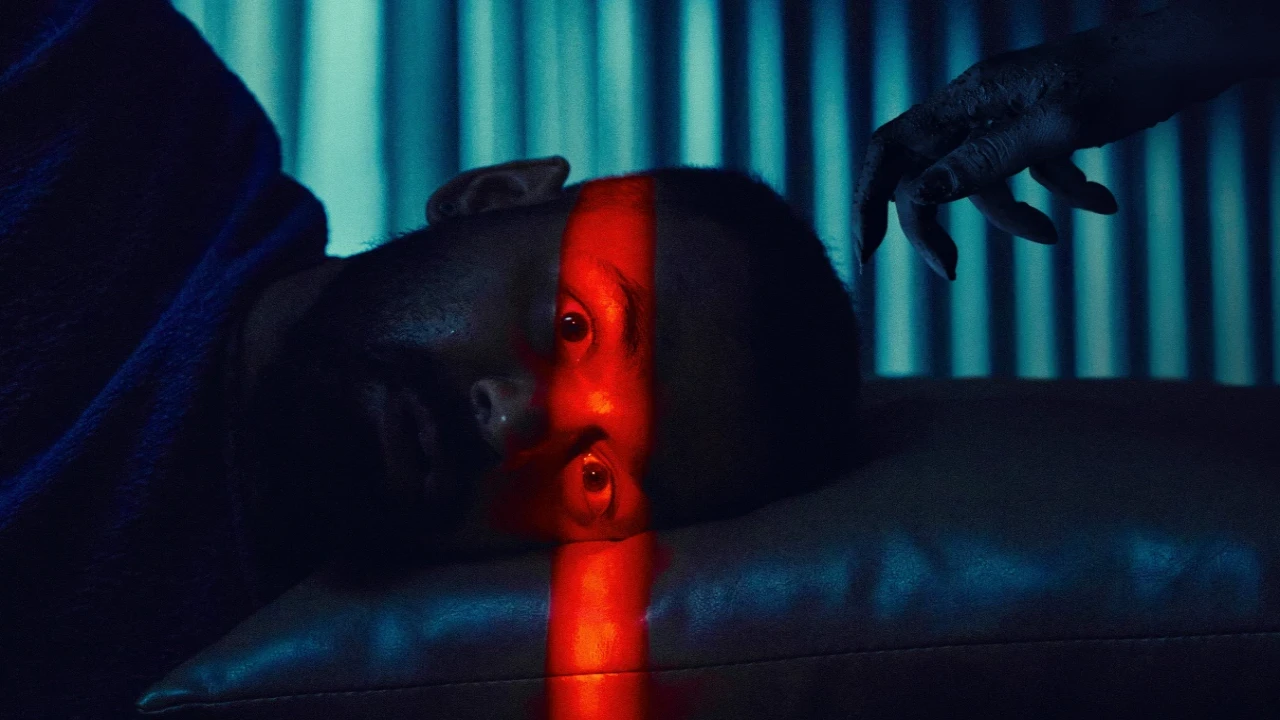
From a technical standpoint, Dies Irae is top-tier.
The sound design alone deserves praise; you can tell the team put serious thought into the smallest echo, whisper, and breath. But to truly feel it, you need a theater with great sound. I saw it in a theater where the audio wasn’t as sharp, and honestly, I think that dulled the impact a bit.
Visually, it’s stunning. Every frame looks crafted, dark corridors, flickering lights, faces half-lit by candles, it all adds up. The camera moves like it’s alive, quietly following the tension rather than forcing it.
Personal Experience (And a Bit of a Rant)
Here’s something that honestly killed part of my experience: the audience.
The theater was full of teenagers, most of them talking, laughing, and making jokes right in the middle of tense scenes. Every time a jump scare hit, instead of gasps, there was laughter.
I get it, not everyone reacts the same way to horror. But for someone who actually wants to get lost in the film’s mood, that crowd completely threw me off. There were moments I genuinely thought, “Man, I should’ve just watched this at home, in the dark, alone.” It would’ve been a much better experience.
Also Read: Amsterdam Empire Review: Wild, Sexy, and Full of Chaos, Worth the Binge or Total Miss?
Performances and Key Moments
Pranav Mohanlal gives a solid performance, restrained, believable, and occasionally brilliant. He’s not over-the-top like some horror leads tend to get. When he’s scared, you feel it.
There’s one particular sequence, a fall from above, that delivers one of the most effective jump scares I’ve seen this year. It’s sharp, quick, and leaves your heart racing for a good minute after. Those are the moments when Rahul Sadasivan’s craft really shines.
Good & Bad
| What Worked | What Didn’t |
|---|---|
| Unique storyline with psychological depth | The climax feels rushed and incomplete |
| Crisp, fast-paced screenplay | Some emotional beats feel unfinished |
| Stunning cinematography and eerie sound design | Needs stronger buildup in certain scenes |
| Real, effective jump scares (not cheap ones) | Inconsistent theater experience can ruin the mood |
| Pranav Mohanlal’s natural performance | Leaves too many questions unanswered |
Final Verdict: Worth Watching, But Manage Expectations
Dies Irae is not the kind of horror film that’ll make you scream; it’s the kind that lingers. It crawls slowly, making you uneasy without spelling everything out.
For me, it was a decent one-time watch, well-made, creative, but not unforgettable. If you loved Bhoothakaalam, you might find this one a little less satisfying. But if you’re into smart, slow-burn horror with mystery and atmosphere, Dies Irae absolutely deserves a shot.
Watch it in a good theater, stay off your phone, and let the silence scare you.