

Pluribus Review: So yeah, I finally finished all the episodes of Pluribus. When the first two episodes came out, I reviewed them back then. At that point, I was interested, but I wasn’t sure where the show was heading. Was it going to turn great? Was it going to fall apart halfway? Hard to tell.
What kept me going was trust. Whether people realize it or not, Pluribus comes from the same creative space that gave us Breaking Bad and Better Call Saul. And no, that doesn’t mean everything these creators touch becomes legendary.
They’ve made shows that didn’t fully land, too. But Pluribus? This one clearly worked for a lot of people. An 8.2 rating, backed by millions of votes. Featured in Apple TV+’s most-watched series list. And yes, Season 2 is confirmed. No confusion there.
So if you’ve already finished Season 1 and are wondering whether this story continues, relax. It does.

My Rating: 4.0/5
| Detail | Information |
|---|---|
| Title | Pluribus |
| Format | TV Series |
| Genre | Sci-Fi, Psychological Drama, Thriller |
| Created By | Creators of Breaking Bad & Better Call Saul |
| Streaming Platform | Apple TV+ |
| Language | English |
| Season | Season 1 |
| Total Episodes | 8 |
| Episode Runtime | Approx. 45–60 minutes |
| IMDb Rating | 8.2/10 |
| Season 2 Status | Confirmed |
What Pluribus Is About (No Spoilers)
At its core, Pluribus is about Earth. One day, an unknown extraterrestrial virus spreads across the entire planet. But this isn’t your typical outbreak story. Nobody turns violent. Nobody becomes a monster. Instead, something far more unsettling happens.
Every human mind becomes connected. Ask one person a question, and you’re technically asking everyone. Thoughts flow through a shared consciousness. Pain fades. Loneliness disappears. People become permanently happy.
For a moment, it feels like a perfect world. And that’s where the real problem begins. The virus doesn’t just connect humanity, it controls it. And somehow, 11–12 people are completely immune. The virus can’t access them at all. One of those people is our protagonist.
When she realizes what’s really happening, her reaction isn’t gratitude or awe. It’s resistance. She wants the old world back. Messy. Painful. Free. That single desire drives the entire season.
Why Pluribus Works So Well
The strongest thing about Pluribus is its writing. I honestly can’t remember seeing a concept like this before, where a virus makes humanity better, not worse, and still feels terrifying.
What I appreciated most is how the show never shoves science fiction in your face. Season 1 barely feels like a sci-fi show while you’re watching it. There are no long explanations, no flashy tech talk. Instead, the focus stays on:
- free will
- human choice
- comfort versus freedom
- whether happiness without consent even matters
This is a dialogue-driven show, but not in a boring way. The conversations actually matter. Our lead character keeps asking questions that feel simple, but are dangerous. Why are these beings so calm? Why are they so polite? Why does all of this feel wrong? And slowly, without realizing it, you start asking the same things.
Visually, the scale is huge. Someone needs to travel? They casually call Air Force One. Food supply? Entire truck convoys roll in. Everything looks clean, organized, and controlled. Apple didn’t hold back on the budget, and it shows.
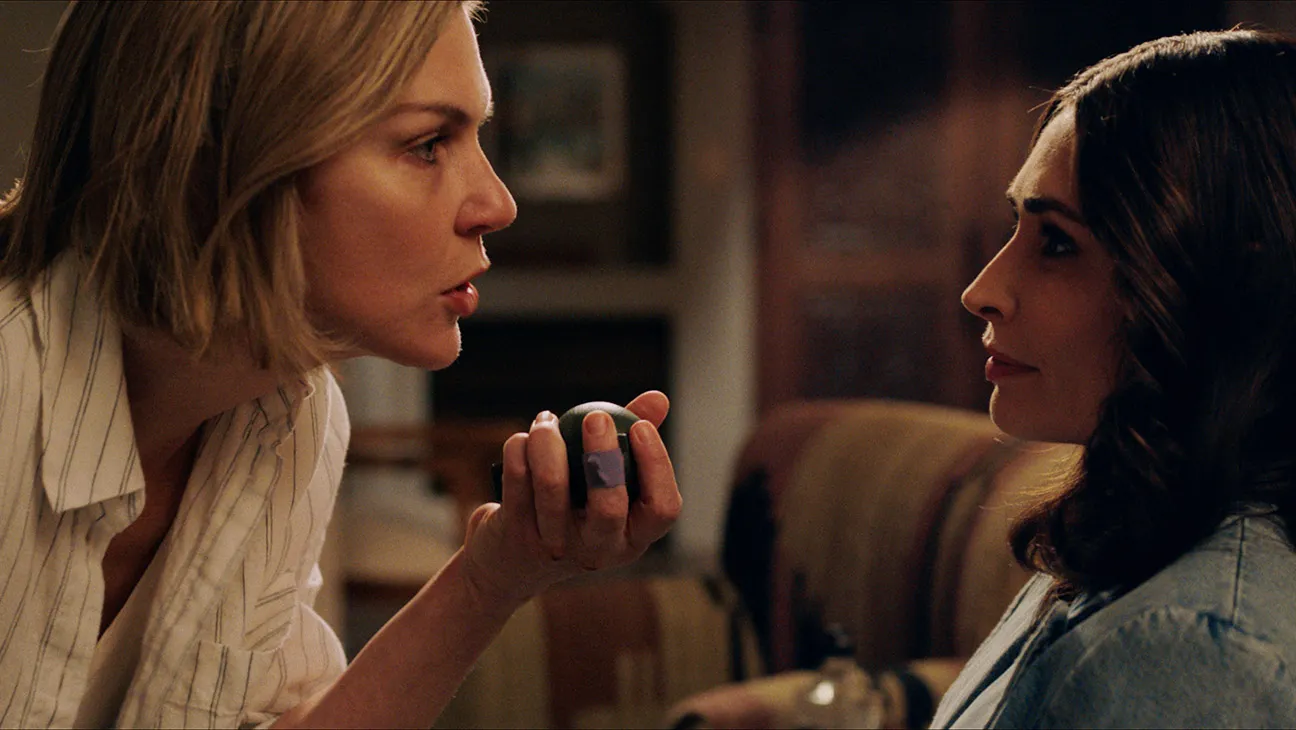
The performances help a lot, too. The lead actress carries the show with restraint. No dramatic overacting. Just quiet determination. Her assistant stands out as well, and even side characters feel deliberate, not random.
Where Pluribus Might Lose You
Now, here’s the honest part. This show is slow. Very slow. The creators clearly assume their audience is intelligent, patient, and willing to connect dots on their own. If you’re someone who likes fast pacing, big twists every episode, or constant action, this show will test you.
Another issue: Pluribus doesn’t answer many of its own questions. Some mysteries are clearly saved for Season 2. That’s fine. But a few moments feel a little too open-ended, even for a mature audience.
By the finale, a lot of people will be confused. Some will debate what actually happened. Others will feel slightly unsatisfied. I personally understood the ending, but I also get why many viewers didn’t.
Also worth mentioning: there are a few intimate scenes, so this is not a family-friendly watch. The biggest drawback? Season 1 feels more like a long setup than a complete story.
Who Pluribus Is For (And Who Should Skip It)
This series is perfect if you:
- Loved Breaking Bad or Better Call Saul
- Enjoy slow-burn, psychological storytelling
- Like thinking about a show after it ends
- Prefer ideas and themes over action
You should probably skip it if you:
- Want fast-paced entertainment
- Need clear answers right away
- Dislike open endings
- Watch shows casually in the background
Also Read: Top 5 TV Shows Like Stranger Things That Will Keep You Awake All Night
The Good & Bad
| What Worked | What Didn’t |
|---|---|
| Original, unsettling concept | Very slow pacing |
| Mature, thoughtful writing | Many unanswered questions |
| Strong lead performance | The ending isn’t fully satisfying |
| Massive production scale | Can frustrate casual viewers |
| Philosophical depth | Ending isn’t fully satisfying |
Final Verdict
Pluribus isn’t trying to impress everyone, and that’s exactly why it works. It’s quiet, confident, and uncomfortable in the right ways. Yes, it leaves you hanging. Yes, it demands patience. But if Season 2 delivers on what Season 1 sets up, this could easily become one of Apple TV+’s most respected shows.
My rating: 8/10. Not perfect. Not easy. But absolutely worth watching, if you’re the right audience. The series is available in English on Apple TV+.