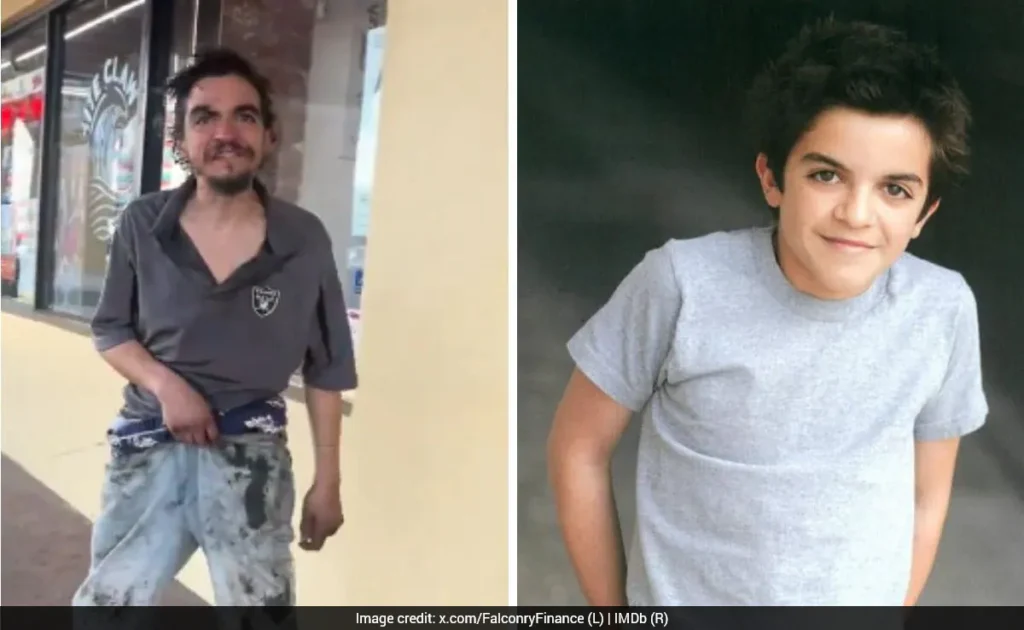
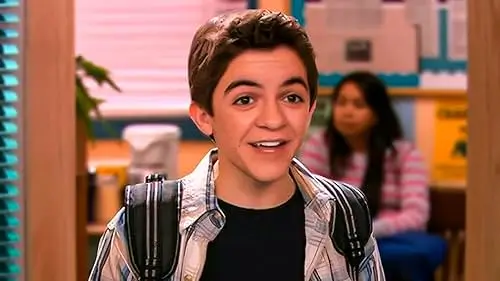
Tylor Chase, Former Nickelodeon Star: I grew up watching Ned’s Declassified School Survival Guide. For a lot of us, it wasn’t just a show; it was part of that awkward, funny, after-school TV era that felt safe and familiar.
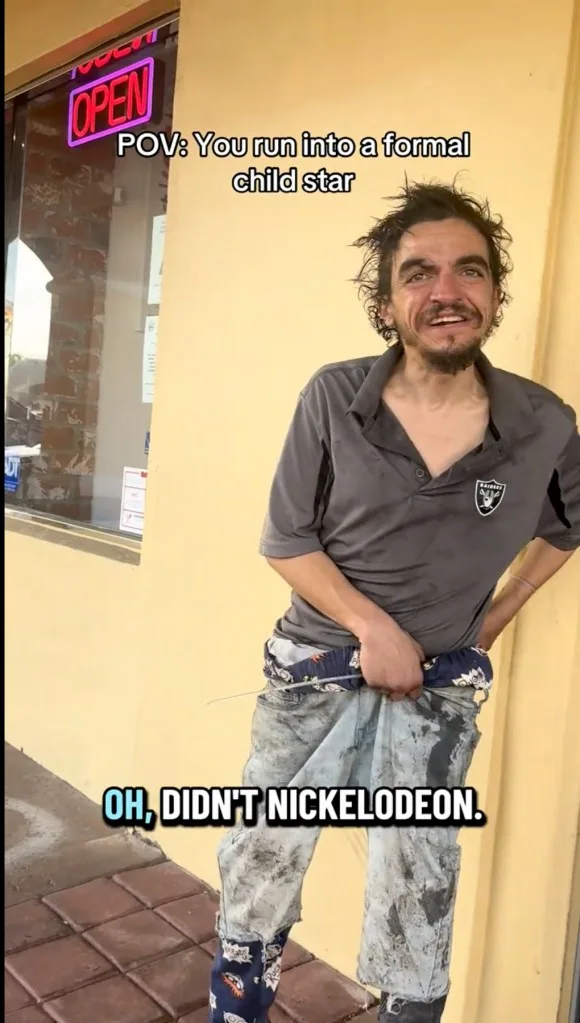
So seeing Tylor Chase, who played Martin Qwerly, pop up in a viral video years later, homeless, disheveled, clearly struggling, hits harder than most celebrity headlines. Not because he’s famous. But because the story behind that video is painfully familiar.
The Problem Isn’t That the Video Exists
It’s why it exists, and what comes after. The clip, filmed in Riverside, California, shows a stranger recognizing Chase and recording him while he explains he was on Nickelodeon. On the surface, some people framed it as a concern. Others called it “bringing awareness.”
Awareness without action isn’t helpful. Its content. The discomfort many viewers felt, “Why is someone filming this?”, is valid. When someone is clearly in distress, a camera doesn’t suddenly become a lifeline. More often, it becomes a mirror we use to reassure ourselves that we “noticed,” even if we did nothing meaningful.
His Mother’s Words Matter More Than the Internet’s Reactions
After the video spread, a GoFundMe was raised about $1,200. It was later taken down by Chase’s mother, and her explanation cut through the noise in a way viral commentary never does:
“Tylor needs medical attention, not money. But he refuses it.”
That single sentence explains why stories like this don’t have easy endings. Money doesn’t fix untreated bipolar disorder. Phones don’t help if someone can’t manage them. Good intentions don’t override a person’s right and ability to refuse care.
People often ask, “Why doesn’t someone just help him?” The uncomfortable answer is: many people already tried.
The Myth That Fame Protects You
There’s a lazy narrative that child stars “fall off” because of bad choices or industry excess. It ignores how early fame collides with mental health, identity, and adulthood, often without proper support systems in place.
Tylor Chase’s former co-stars didn’t treat this as gossip. On their podcast, their reactions weren’t performative. They were raw, conflicted, and honest:
- Anger at the people filming him
- Guilt over feeling powerless
- Love mixed with the reality that “bringing him on a podcast” isn’t the solution
That matters. Because it shows this isn’t a case of people not caring. It’s a case of caring not being enough.
Why Mental Health Help Is Still So Hard to Access
This story reopened a bigger question people keep asking: Why is it so difficult to get real mental health help in the U.S.? A few reasons we don’t like to talk about:
- Adults can refuse treatment unless they’re an immediate danger
- Mental health systems are overloaded, slow, and inconsistent
- Medication only works if someone accepts it—and stays on it
- Public stigma still convinces people that seeking help equals weakness
Even families with resources hit walls. Even loved ones who show up daily lose the ability to intervene. At some point, the system steps back and says, “There’s nothing more we can legally do.” That’s not cruelty. It’s reality.
Also Read: James Ransone Is Gone at 46 — And His Story Hurts More Than You Expect
The Real Ethical Question
The loudest debate online isn’t really about Nickelodeon, child actors, or nostalgia. It’s this:
When someone is clearly unwell, do we owe them privacy or visibility?
Filming someone at their lowest might raise awareness. It might also strip them of dignity. Both things can be true at once. What’s missing is accountability after the views fade. No follow-through. No structure. Just a brief surge of attention and then silence.
What This Story Should Actually Change
If we take anything away from Tylor Chase’s situation, it shouldn’t be shock or pity. It should be clear.
- Viral moments don’t replace long-term care
- Money doesn’t equal treatment
- Love doesn’t override illness
- And adulthood doesn’t magically come with support
This isn’t a fall-from-grace story. It’s a system-failure story. And until mental health care becomes proactive instead of reactive, private instead of public spectacle, and accessible instead of conditional, we’ll keep seeing the same headlines with different names.
Final Thought on Tylor Chase
You can feel sad about the video. You can feel angry that it was filmed. You can feel helpless watching it. All of that makes sense. Just don’t confuse watching with helping. And don’t assume the answer is simpler than it is.
Because sometimes the hardest truth is this: People can be deeply loved, and still deeply lost. And no amount of virality fixes that.