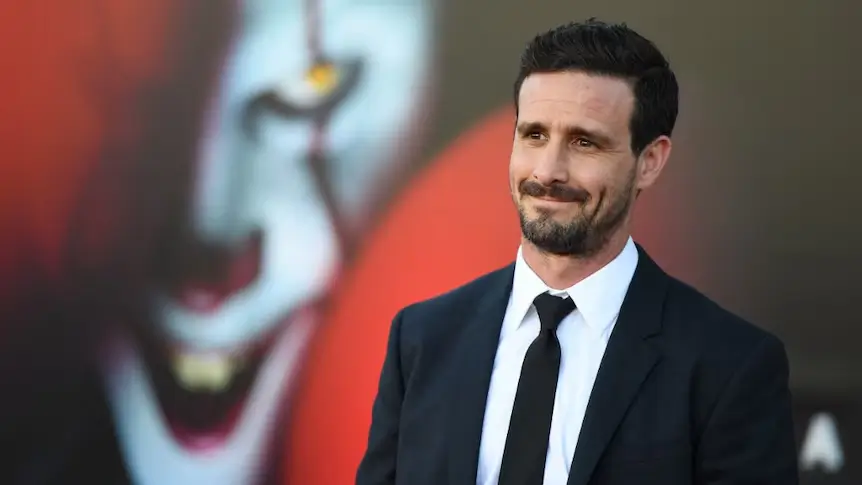
I didn’t expect to be writing this today. I was scrolling through the news, half-distracted, when the headline hit: James Ransone, actor from The Wire, dead at 46. I stopped. Like a lot of people who grew up on prestige TV, The Wire isn’t just another show to me. It’s a reference point. And Ziggy Sobotka, awkward, reckless, painfully human, was unforgettable.
This isn’t just another celebrity death. It feels heavier, maybe because Ransone played broken people so honestly. Or maybe because the details of his life, now coming back into focus, explain how much pain he was quietly carrying.
Remembering James Ransone Beyond Ziggy
Most people know James Ransone as Ziggy Sobotka, the tragic screw-up from season two of The Wire. Ziggy was loud, insecure, desperate to be seen, and constantly making the wrong choices. On paper, he was irritating. On screen, Ransone made him devastating.
That’s not easy to do. Season two of The Wire focused on Baltimore’s dying docks, union politics, and economic decay. Ziggy wasn’t just comic relief; he was the emotional cost of a collapsing system. Ransone understood that. You could see it in the way Ziggy overcompensated, joked too hard, and acted too big.
That performance stuck with people because it felt real. And that was Ransone’s gift: he could make deeply flawed characters feel alive rather than performative.
A Career Built on Risky, Human Roles
After The Wire, Ransone didn’t chase safe parts. He worked with David Simon again on Generation Kill, playing Marine Corporal Josh Ray Person. The role was stripped-down, uncomfortable, and emotionally raw. He later appeared in films like It Chapter Two, The Black Phone, Inside Man, and Tangerine.
These weren’t glossy leading-man roles. They were messy. Intimate. Often dark. Directors like Spike Lee and Sean Baker kept coming back to him for a reason. Ransone could sit in the emotional gray area most actors avoid.
He talked openly about how acting sometimes left him feeling hollow, especially when he had to “live in unlikable skin.” That honesty matters now more than ever.
The Pain He Lived With
In 2021, James Ransone publicly shared that he had been sexually abused by a former tutor when he was a child. He spoke about how that trauma fed into later struggles with alcohol and heroin addiction. He didn’t soften the story. He didn’t frame it for sympathy. He told it because it was true.
That context doesn’t “explain” his death, but it does remind us that talent and success don’t erase trauma. They just give it a different stage. According to the Los Angeles Medical Examiner, Ransone died by suicide. His wife, Jamie McPhee, shared a heartbreaking message honoring him and their two children.
She also linked to a fundraiser supporting the National Alliance on Mental Illness, a quiet but powerful reminder that this story isn’t just about one actor. It’s about mental health, pain, and the silence that often surrounds both.
The Industry Reacts—and It Feels Genuine
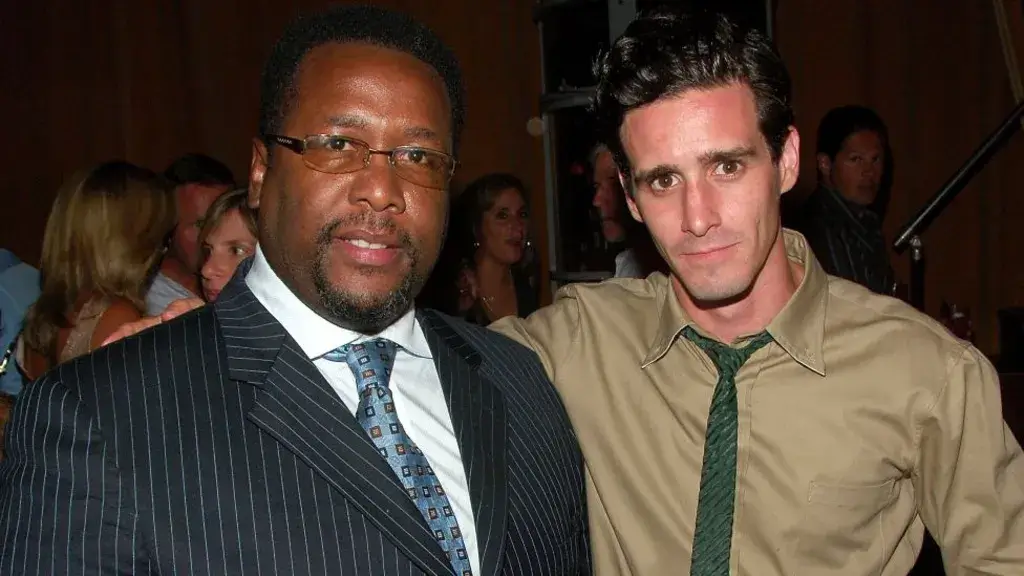
The tributes that followed didn’t feel obligatory. Wendell Pierce, Spike Lee, Sean Baker, and fellow actors spoke about Ransone as a brother, a friend, and a generous presence on set. HBO posted an image of Ziggy with a simple caption: In Loving Memory.
What stood out to me wasn’t the number of tributes—it was the tone. This wasn’t about legacy-building or brand management. It was grief.
Why This Loss Hits Hard
James Ransone represented a type of actor we don’t celebrate enough. Not the blockbuster face. Not the awards-season staple. But the actor who shows up, does the hard emotional work, and makes stories feel honest.
He played people who failed. People who embarrassed themselves. People who didn’t know how to cope. And he did it without judgment. In a culture that rewards polish and confidence, Ransone leaned into vulnerability. That takes courage.
Also Read: The Great Flood Review: It Is Being Called the Korean Matrix — But Is It Actually That Good?
A Quiet Reminder We Can’t Ignore
Whenever a public figure dies by suicide, there’s a risk of turning it into a spectacle or moralizing it. That doesn’t help anyone. What does help is acknowledging that mental health struggles are real, ongoing, and often invisible, even in people who seem creatively fulfilled.
If you’re reading this in the US and struggling, you can call or text 988, the Suicide & Crisis Lifeline. If you’re elsewhere, local resources exist, and they matter. Asking for help isn’t a weakness. It’s survival.
Rest in peace, James Ransone. You mattered.
James Ransone didn’t live a long life, but he lived an honest one. His performances will keep circulating, on rewatches of The Wire, in late-night horror marathons, in indie films people discover years too late. That’s how art works. It outlives us.
But today isn’t about rewatching scenes or ranking performances. It’s about remembering a human being who gave us something real, even while struggling to carry his own pain.